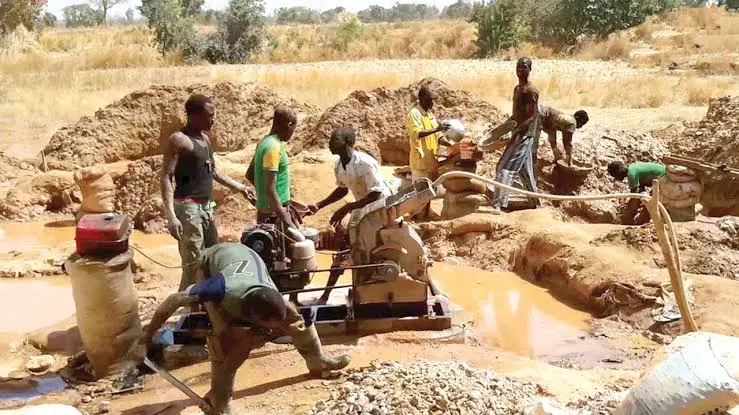
SMALL-SCALE miners have appealed for Government assistance in exploration noting that this will help identify available minerals and quantities while reducing the time and resources wasted on manual sampling.
The appeal comes as Government has reiterated its call for artisanal and small-scale miners to formalise their operations so that they can operate with security and dignity, as they are the backbone of the gold sub-sector.
It is estimated that the number of artisanal and small-scale miners in Zimbabwe ranges from 500 000 to over 1,5 million, including farmers who engage in gold panning during the off-season.
These miners are primarily involved in gold extraction, but they also mine other minerals such as lithium, diamonds and gemstones. However, to achieve a more formalised small-scale mining sector, players argue that there is a need to accurately map what is underground so that resources can be channelled towards productive areas.
Young Miners Foundation Chief Executive Officer, Mr Payne Kupfuwa, said exploration is a key starting point for setting up a more formalised and professional small-scale mining enterprise.
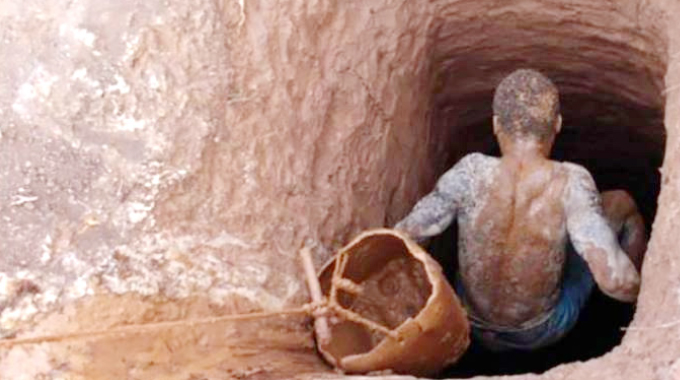
“Exploration will depict underground geology before we start any extraction. Lately, we have been having difficulties because most miners have been digging open pits without exploration, thereby degrading the environment. They sometimes open pits only to find that there are no resources in the area,” said Mr Kupfuwa.
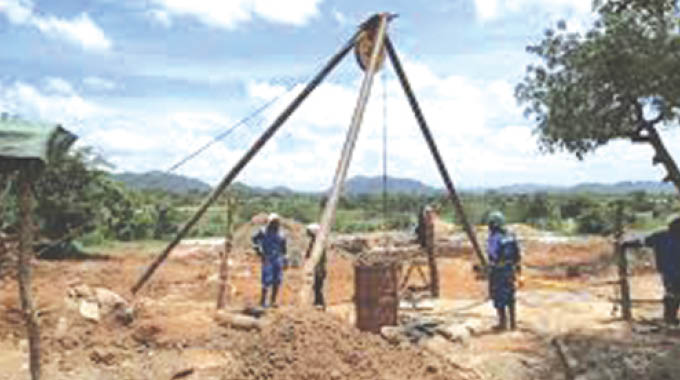
“If we do proper exploration, miners will know where to sink their shafts and we will not waste money by investing in a place where we don’t know what lies underground. As small-scale miners, we should invest more in exploration than in anything else, because it provides direction before starting a project and helps in budgeting for the expected costs.”
He added that the Government should be in a position to help small-scale miners by organising companies and equipment to help establish the sector as a more explored mining enterprise.
“The Government should intervene by creating small capitalised companies, helping them get equipment and ensuring exploration is done at affordable fees so that every small-scale miner is able to conduct exploration before starting their projects,” he said.
The small-scale mining sector contributes about 65 percent of gold deliveries to Fidelity Gold Refineries, underscoring its growing importance to Zimbabwe’s mining industry as the Government’s formalisation drive for artisanal and small-scale mining (ASM) gains momentum.
In an interview, small-scale miner Mr Sipho Mafu echoed calls for increased Government support, particularly in exploration and access to essential mining equipment.
“Exploration is key. It helps us understand the resources we are sitting on and determine the lifespan of our mines,” he said.
“We have heard that geological equipment is available and we urge the Government to deploy it across provinces so more miners can benefit.”
Mining experts say the sustained growth of the ASM sector will largely depend on full formalisation, which would improve safety and environmental compliance while enabling the Government to broaden the tax base and ensure miners benefit from co-ordinated support programmes.
With small-scale miners already forming the backbone of Zimbabwe’s gold deliveries, stakeholders believe targeted reforms and innovative financing solutions could propel the sector to new production highs and further strengthen foreign currency earnings.
Meanwhile, small-scale gold miners have set an ambitious production target of 60 tonnes in 2026, calling on the Government to urgently address funding, regulatory and operational bottlenecks to unlock the sector’s full potential.-herald