GOVERNMENT is confident it will maintain single-digit inflation through a range of interventions, including ramping up alternative fuel supply chains, following disruptions in distribution linked to rising tensions in the Middle East.
A team of economists and other experts is monitoring developments and advising the Government on possible outcomes and price fluctuations stemming from the conflict.
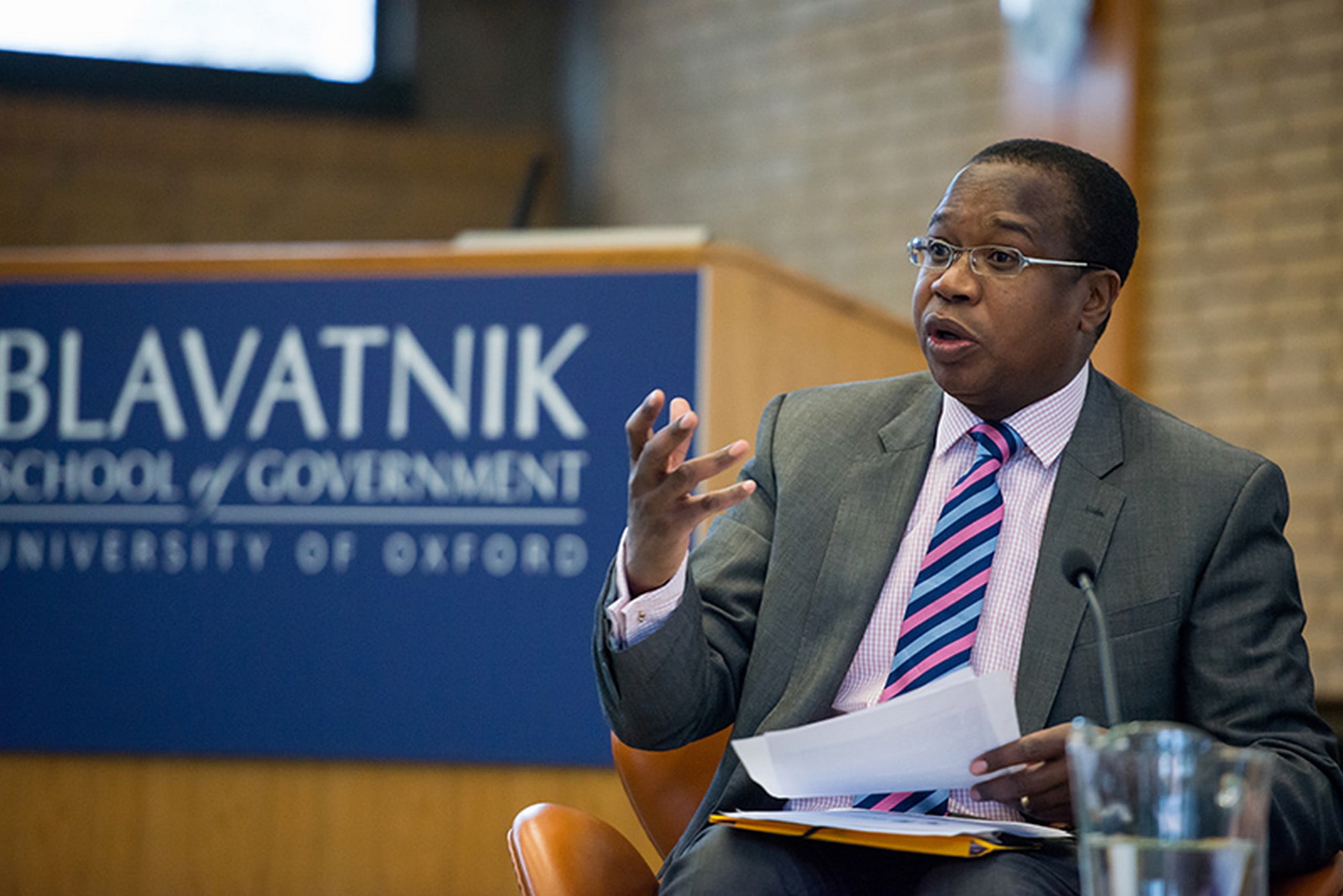
Speaking after making a presentation on economic stabilisation policies to the Joint Command and Staff Course Number 39 at the Zimbabwe College in Harare yesterday, Finance, Economic Development and Investment Promotion Deputy Minister Kudakwashe David Mnangagwa said Government remains confident of sustaining single-digit inflation. Zimbabwean cultural products
Zimbabwe’s annual inflation rate stands at 3,8 percent.
“As it is, we have a good level of confidence that we will still be able to maintain single-digit inflation through a cocktail of interventions from Government, as well as making sure that we ramp up other alternatives in supply chains,” he said.
“So, this is something that our team is working on. But, I will say, without giving definitive figures, that we have a good level of confidence that we will maintain single-digit inflation.”
Deputy Minister Mnangagwa said Government is continuously monitoring fuel prices and their possible impact on the economy.
“Fuel has a multiplier effect, and we are constantly monitoring the prices per barrel. We are following some of the international forecasts on the prices per barrel, just to see the full extent that the prices can get to.
“In the last two weeks, there was a rise in our fuel prices to $1.70, which would have been $1.90 if we had not intervened as Government. From our economists, we are trying to weigh out how much fuel contributes to our basket and what effect certain levels of rises will have on inflation,” he said.
Last week, the Zimbabwe Energy Regulatory Authority (ZERA) announced new fuel prices effective March 4, with petrol rising to US$1.71 per litre and diesel climbing to US$1.77 per litre. Zimbabwean cultural products
The increases, up from the previous rates of US$1.56 for petrol and US$1.52 for diesel, were attributed to the military conflict in the Middle East, a major source of global petroleum.
Without Government intervention, prices would have been US$1.90 per litre for diesel and US$1.81 per litre for blend.
Addressing Parliament last week, then acting Minister of Energy and Power Development Dr Zhemu Soda told the National Assembly that the country currently has fuel stocks sufficient to last between two and three months, with additional supplies already on the way through regional supply routes.
However, Minister Soda said global developments could still influence prices, noting that Government could not guarantee that prices would remain unchanged. He said market forces of supply and demand would determine prices.
Commenting on the recent ban on exports of raw minerals and lithium concentrate, Deputy Minister Mnangagwa said the country had been losing value through the export of unbeneficiated minerals. He said the ban was meant to ensure that the economy and citizens benefit more from the country’s mineral resources.
“You will find that in my presentation I mentioned one of our aspirations under NDS2 (National Development Strategy 2) is to reach a 25 percent contribution of manufacturing to our GDP. Naturally, right now a lot of our exports are dependent on raw exports of minerals and agricultural exports.
“I want to make sure that we reach the final product because this has a multiplier effect on employment and the taxes that we collect. The ban on raw minerals, particularly lithium, sent the global lithium price into a frenzy. This was a ban just from Zimbabwe and goes to show how much of a contributor the country was to the lithium market. We need to make sure that these strategic minerals benefit the grander populace.” Zimbabwean cultural products
Deputy Minister Mnangagwa said irregularities in compliance with the mineral export policy also prompted Government to impose the ban.
“If there is need for a review, again there had been a policy to give the miners and the lithium industry time to get up to lithium sulphate and mineral beneficiation. The deadline was 2027. I think some irregularities were noticed, and it was time to take a step back and see how best we can refine that to make sure that in that path we are aligned and we do not lose as a country.
“So, I will say that while it is difficult to ascertain the loss that might have come by because we are not the market makers for lithium — you will find that most of the lithium is consumed in one jurisdiction, which means that they make the market and they determine the prices — what we can do going forward is to make sure that at the very least we have reached the tail end of what we can from what we have extracted on the ground,” he said.-herald