INDIGENOUS communities have developed ways of adapting to environmental changes.
These knowledge systems, also known as village wisdom, are meant to build resilience and sustainability by focusing on practices that allow them to cope with unpredictable weather events, changing seasons and other climate-related challenges.
In Zimbabwe, smallholder farmers have devised traditional agricultural practices such as agroecology, crop diversification, water harvesting and soil conservation to enhance resilience to droughts or floods.
Local communities have developed and preserved seed varieties adapted to withstand harsh climatic conditions.
As well, traditional methods of rainwater harvesting and aquifer management have sustained communities through historical drought periods.
Said smallholder farmer Sbukani Moyo (53) of Mhlotshana village, ward 12, in Bubi district: “Before joining agroecology and adopting indigenous knowledge systems as means of food security in 2013, I struggled to make ends meet.
“Bubi is a dry area that receives little to no rainfall. I would farm crops and with the changes in weather patterns and climate change, I would yield little to nothing, which meant hunger.
“My household was the true definition of poverty in my community. You don’t know the pain of asking your neighbours for mealie-meal everyday.”
Through agroecology, Moyo today stands as a beacon of hope in her community.
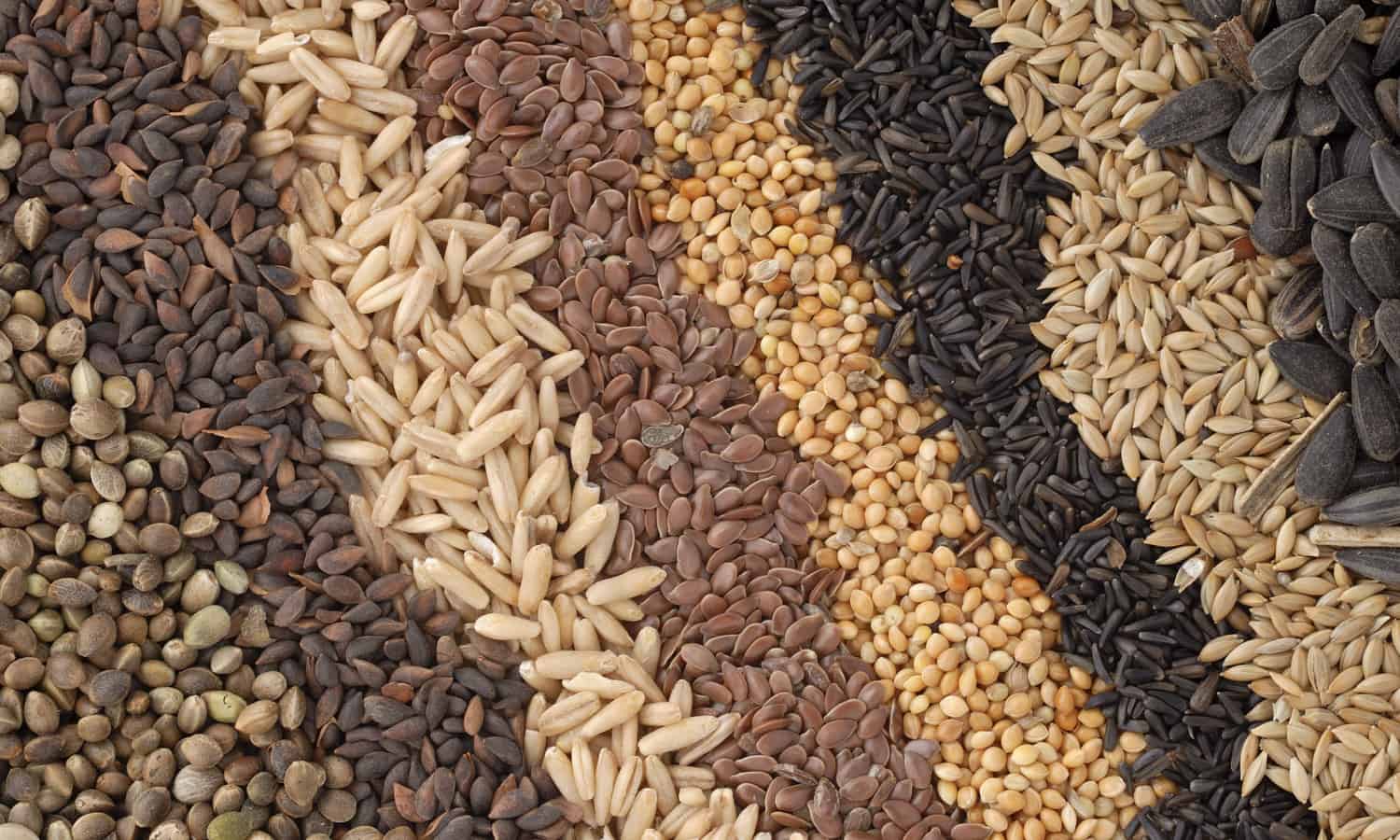
Now, she showcases her seed banks and a variety of drought resistant crops.
She says they can bear the dry weather conditions in her area.
“With agroecology, I no longer stress about funds to buy seeds, instead the seeds will be readily available in my silos,” Moyo added.
“I have learnt how to preserve them in my house for future use.
“Also, I always have plenty of food at my disposal. I sell some of the grains for profit.”
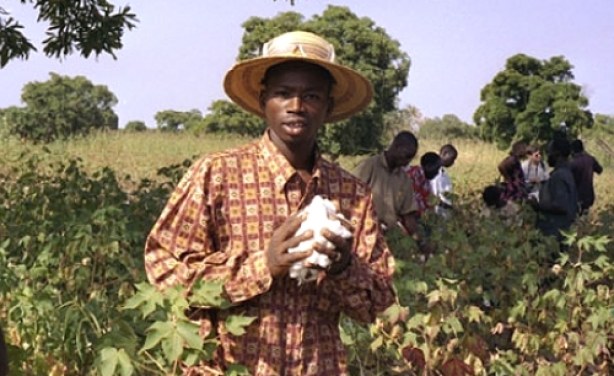
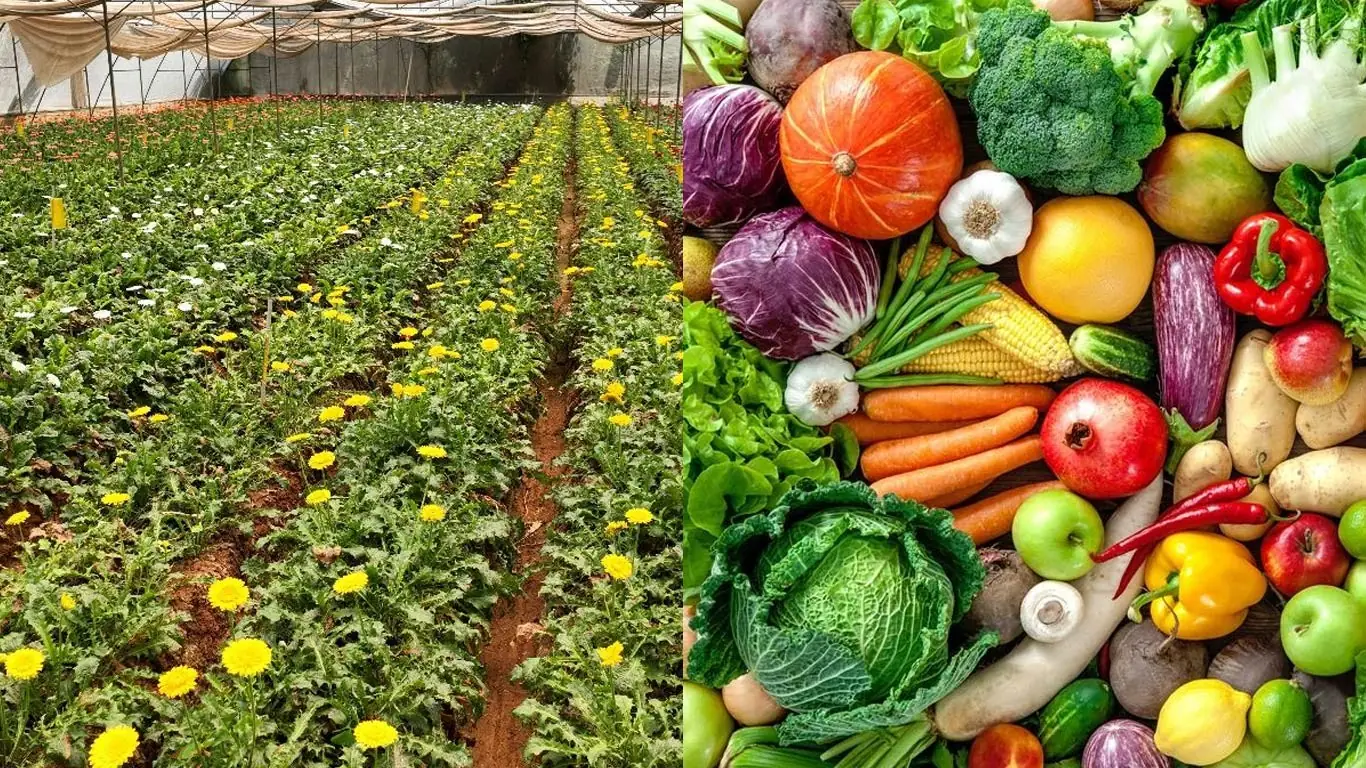
Smallholder farmers prefer to grow a variety of food crops, including grains, cereals, legumes, vegetables, fruit trees and medicinal plants.
They also rear livestock, including cows, sheep, goats, pigs and chickens.
During an Agroecology and Food Sovereignty Expo organised by the Zimbabwe Smallholder Organics Farmers Forum (Zimsoff) with funding from Seed and Knowledge Initiative, over 50 farmers from different parts of Zimbabwe gathered at the expo in Mhlotshana village to showcase their seed banks, while others came to learn how their colleagues have adopted agroecology and become champions of tackling climate change effects through these traditional seeds.
The event was held to revive traditional African foods and seeds, while encouraging local farming practices as a response to mounting climate challenges.
The festival encouraged sustainable farming techniques and a shift away from dependence on industrial farming practices.
According to the World Food Programme, Zimbabwe, a landlocked, low-income, food-deficit country in southern Africa, is grappling with the effects of the El Niño phenomenon, exacerbating its semi-arid climate’s variable nature.
Early this year, it was estimated that six million people will be food insecure in Zimbabwe during the peak of the 2024-25 lean season from January to March.
In urban areas, high inflation, rising food prices and fluctuating exchange rates have affected families’ purchasing power and eroded their savings.
As farmers confront the limitations of conventional agriculture, agroecology emerges as a promising alternative for sustainable food security in Zimbabwe.
Agroecology integrates traditional farming knowledge with modern ecological principles, offering a holistic approach to agriculture that prioritises sustainability, biodiversity and local food systems.
Agroecological and indigenous knowledge system practices have increased crop yields by 79% while improving soil health and biodiversity in African farming systems.
Zimsoff field officer and farmer Sphathisiwe Ncube (52), from Tshelanyemba village, in ward 6’s Sgangatsha area in Matobo district, acknowledged how agroecology has helped to improve soil and biodiversity through use of natural organic matter.
“These indigenous techniques such as terracing, contour farming and digging traditional holes help to slow down surface water runoff, allowing water to infiltrate into the soil and preventing erosion, especially in drought-prone or degraded areas.
“Mulching and the creation of holes conserve soil moisture, making the land more resilient to droughts and reducing the need for extensive irrigation.”
Since adopting agroecology, she is now her own boss when it comes to food security and championing practice.
“My life has changed. In my community, I’m now a businesswoman,” she says.
“I sell seeds such as sorghum, millet, rapoko, groundnuts and red corn.
“I now supply areas such as Maphisa, Bhewula and Mabonyane, where people buy these seeds.”
Grains such as sorghum, millet and rapoko are drought-resistant crops, meaning smallholder farmers can still have a bumper harvest even during droughts.
Another farmer, who was present at the expo, Bugalo Ndebele (56), from Pumtree Gochombo smallholder farmer organisation, said agroecology had taught them ways that they could make their soils retain moisture during dry spells.
“I started by digging contours and planting local grass to trap and retain water. I also dug wells around my garden. That’s how I managed to sustain my crops even during dry spells,” she said.
“We have learned how to dig planting pits or ‘holes’ that also trap water. In those pits, we also put manure that helps to retain moisture in the soil, which in turn helps our crops to grow even in the dry season, as the pits will be moist.”
According to an IFAD report, Zimbabwe is a landlocked, lower-middle-income country in southern Africa bordered by the Zambezi and Limpopo rivers.
The national extreme poverty rate stands at 43% and is concentrated in rural areas.
“Smallholder agriculture plays a crucial role in rural livelihoods and food security,” the report stated.
“About 70% of rural people rely on rainfed subsistence agriculture which is highly vulnerable to climate change.
“Rangelands have been overgrazed, leading to soil erosion.”
Zimsoff works in rural areas in Zimbabwe and its national reach is realised through the co-ordination of regional clusters of local farmer organisations.
In each cluster, households are organised in groups/clubs.
A number of these form a community of practice, which in other words is called a smallholder farmer organisation (SFO) and a number of these form a cluster.
There are four clusters with over 19 000 members, namely the central cluster covering Masvingo and Midlands provinces, the eastern cluster covering Manicaland, the northern cluster covering Mashonaland East, West and Central and the western cluster covering Matabeleland North and South.
Each cluster has an average of 15 SFOs with varying membership.
Yearly, Zimsoff gathers its farmers from different SFOs to showcase their seedbanks, showing how they have adapted and fought hunger through agroecology practices.
Traditional and ancient grains are a significant health boost because they are nutrient-dense, providing more fibre, vitamins, minerals and antioxidants than refined grains.
Their high fibre content supports digestive and heart health, helps to manage blood sugar and can contribute to weight management.
Long valued as sources of nutritional carbohydrates, traditional grains are gaining renewed attention for their proven health benefits, particularly in managing conditions such as high blood pressure and bone-related ailments.
Rebecca Nyathi (66), a representative of the village head, said: “Our parents mainly ate these traditional grains and lived long, strong lives. Even health practitioners recommend them for a healthy lifestyle.
“With the increasing prevalence of various ailments, traditional grains like sorghum, millet and rapoko are being purchased not just for sustenance, but actively to promote better health.”
The government has actively encouraged farmers to capitalise on the cultivation of traditional grains, due to their nutritional value and their proven ability to withstand harsh climatic conditions.
States Zimsoff programmes officer Patience Ndlovu: “As Zimsoff, we do not look at farming only. We look at the voices and the rights of our farmers.
“So, when we come here to showcase our seeds and foods that build our bodies, we are talking about eating food that is grown in our surroundings.”
She continued: “We urge that the money that flows out of the community should be little, while the money that flows in should be substantial.
“The reason why we went back to the traditional seeds was because of climate change.
“Climate change keeps affecting us, but this is not supposed to overwhelm us. Instead, we should be survivors of it.”
According to Unicef, the El Niño phenomenon of 2023-24 caused severe drought in Zimbabwe, leading to widespread crop failure, water shortage and a resultant food and nutrition crisis, with an estimated 7,6 million people requiring urgent humanitarian assistance in 2025, including 3,5 million children.
“When El Niño wreaked havoc, many were affected by hunger and starvation, but a Zimsoff farmer who had followed the procedures we had taught them about agroecology was never affected,” Ndlovu, the Zimsoff programmes officer, noted.
“They never waited for the rains. When the first rains came, they quickly went into the fields and planted. Those that planted traditional seeds had bumper harvests.
“I urge farmers to keep safeguarding our seeds and our traditional foods in our country to live healthy lives, as well as safeguarding our forests, as we also get some foods such as mopane worms and also caring for our livestock.”-newsda