The Government has begun dispatching 25 000 doses of the January Disease acaricide from production centres to identified hotspot districts.
This comes as the livestock sector remains stable and healthy following the widespread rains received across the country, permanent secretary for Lands, Agriculture, Fisheries, Water and Rural Development, Prof Obert Jiri, has said.
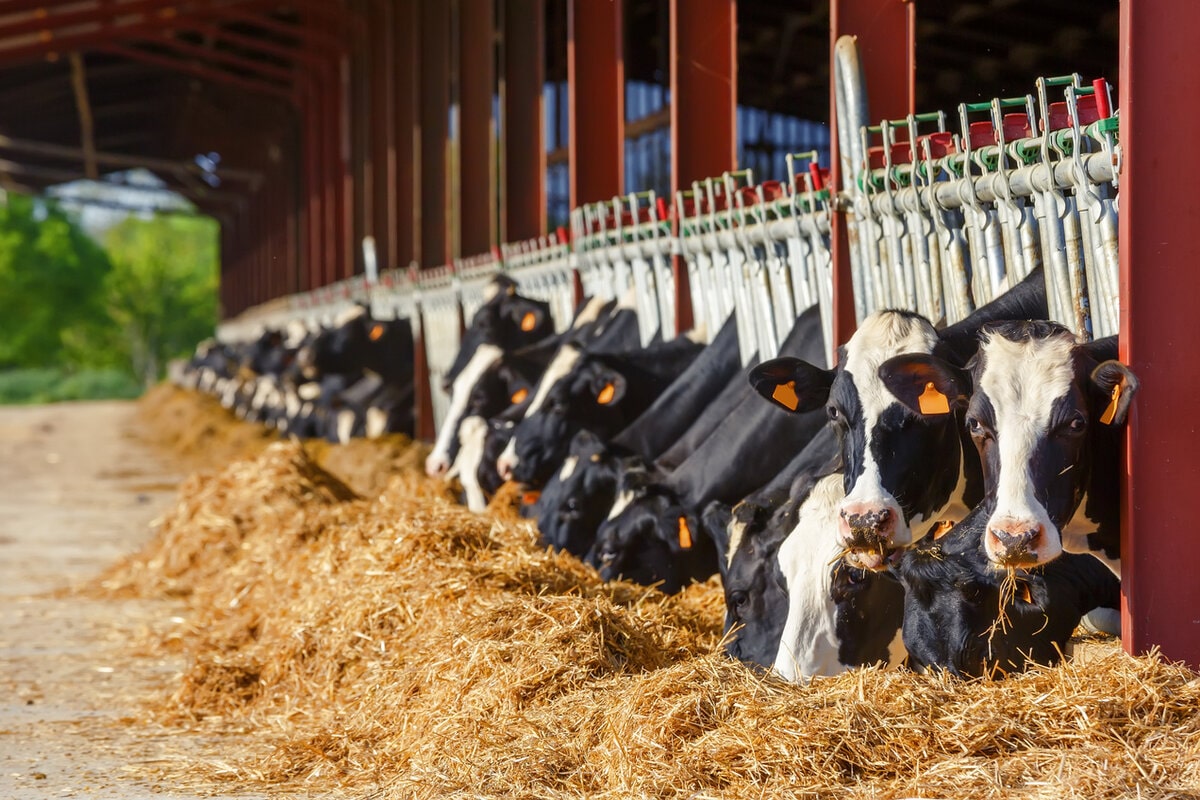
Prof Jiri noted that improved grazing and water availability had enhanced the condition of cattle nationwide.
“Livestock health is looking very good following the rains we have received across the country. However, the period between January and March traditionally brings heightened disease pressure due to increased moisture and changing climatic conditions.
“This is the time of the year when we begin to see increased disease pressure because of moisture and tick multiplication. While seasonal disease pressure is typical during this time of year, the situation remains under control due to proactive vaccination, surveillance and movement management measures,” he said.
Prof Jiri identified Theileriosis, commonly known as January Disease, as one of the major seasonal threats.
The tick-borne disease thrives in wet conditions and remains prevalent during this period. He said the intensified vaccination and strengthened dipping programmes and improved tick grease distribution would stabilise the situation in the coming weeks.
The country has the capacity to produce 100 000 Bolvac vaccine doses locally for January disease annually.
Prof Jiri also highlighted continued pressure from Lumpy Skin Disease, a viral disease that spreads more easily during rainy conditions when insect vectors increase.
“This is a viral disease which is difficult to treat once animals are infected, but it is manageable through vaccination, movement control and farmer vigilance,” he said.
Farmers were urged to avoid unnecessary livestock movement and to relocate animals from waterlogged areas to drier grazing zones where possible. On Foot-and-Mouth Disease, Prof Jiri said Zimbabwe remained technically free of the disease despite regional pressure from neighbouring countries, including South Africa, Botswana, and Zambia.
“There has been some regional pressure linked to cross-border livestock movements, but we are strengthening surveillance and working closely with regional veterinary institutions to ensure proper vaccine matching and rapid response,” he said.
Zimbabwe continues to collaborate with veterinary laboratories in the region to maintain vigilance and protect the national herd.
The Government requires approximately 1,5 million doses of FMD vaccine for livestock annually. To date, about 300 000 doses have been received, with an additional 1,2 million doses expected from the Botswana Vaccine Institute to strengthen the national vaccination programme.
Meanwhile, isolated cases of Rabies have prompted intensified vaccination efforts. Prof Jiri said the country was expecting 600 000 doses of rabies vaccine from the institute.
The Ministry deployed trained vaccination teams across the country, with additional teams ready for activation to accelerate coverage.
He urged farmers to remain vigilant, continue regular dipping, vaccinate their livestock and promptly report any suspected cases to veterinary authorities. Cross-border cooperation with Botswana through a Memorandum of Understanding also helps manage stray cattle and prevent disease spread, underscoring a comprehensive effort to protect the national herd and ensure food security.-herald