SUSTAINABLE energy practices across the Southern African Development Community (SADC) region will take centre stage when the bloc convenes for the SADC Sustainable Energy Week (SEW) from 23-27 February in Victoria Falls.
The Government, through the Ministry of Energy and Power Development, the SADC Secretariat and the SADC Centre for Renewable Energy and Energy Efficiency (SACREEE), will jointly host the high-level gathering, which is expected to draw more than 500 participants from across the region.
President Mnangagwa and SADC Executive Secretary Mr Elias Magosi are set to preside over the official opening of the week-long event, underscoring the strategic importance SADC is placing on clean energy as a driver of industrialisation, economic resilience and improved livelihoods.
The gathering, themed “Driving Regional Economic Growth through Clean Energy and Energy Efficiency,” seeks to catalyse the adoption of sustainable energy practices across SADC member states at a time when the region is grappling with rising energy demand, climate change pressures and the need for inclusive growth.
Participants are expected to include energy ministers, investors, innovators, regional institutions and community leaders, reflecting a multi-stakeholder approach to addressing energy challenges and opportunities.
“The SADC Sustainable Energy Week (SEW) aims to promote opportunities in the sustainable energy sectors, as well as related programmes across the entire energy value chain in the SADC Member States.
“The focus will be on the policy and enabling environment, financing, grid integration, energy efficiency, renewable energy technologies and clean cooking, energy storage and many others for a sector in transition,” the organisers said.
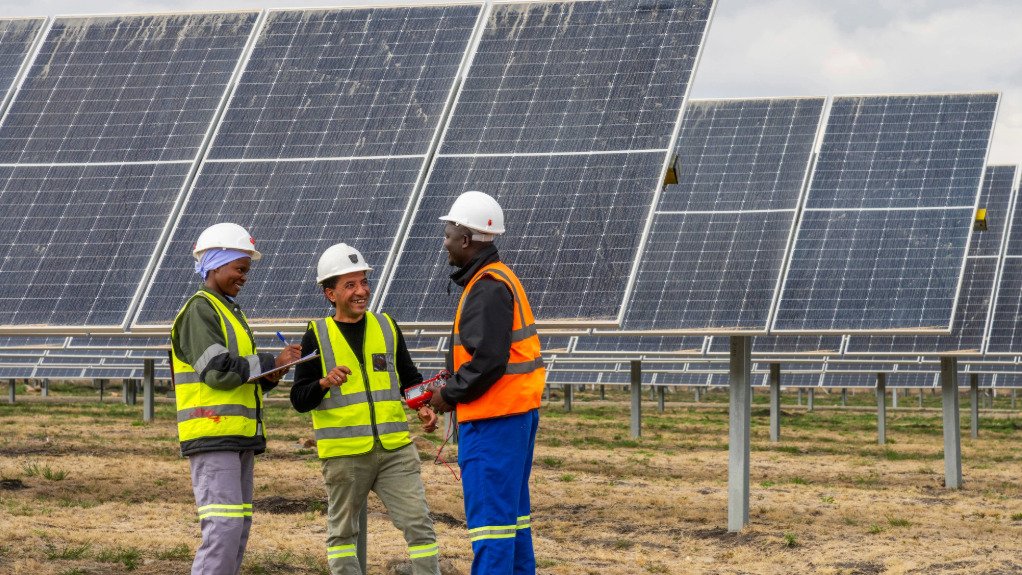
The emphasis on policy, financing and technology signals a shift from dialogue to implementation, as SADC countries move to modernise energy systems, expand renewable energy uptake and improve efficiency in industry, transport and households.
According to the organisers, the 2026 SADC SEW comes at a pivotal time when several member states are developing or finalising National Energy Compacts under Africa Mission 300.
The US$5 billion Mission 300 is a joint initiative by the World Bank and the African Development Bank (AfDB) aimed at connecting 300 million people in Sub-Saharan Africa to electricity by 2030.
It seeks to accelerate energy access, ensure reliable and affordable power, and promote economic growth and job creation.
The initiative is supported by various partners, including governments, the private sector and civil society organisations.
By aligning discussions at SEW with Mission 300 frameworks, SADC is positioning the event as a platform to translate continental ambitions into regional and national action plans, particularly around expanding grid and off-grid solutions, scaling renewables and crowding in private capital.
The event will run under six thematic areas covering the breadth of the energy transition.
These include policy and governance, universal access and a just transition, financing and innovation, grid interconnectivity, market integration and cross-border power trade, as well as integrating digital and renewable energy and storage systems.
Energy efficiency and industry, alongside emerging solutions that explore critical minerals, artificial intelligence and carbon trading, also form part of the thematic focus areas.
Discover more
Online news articles
Political satire merchandise
Agric Journal subscription
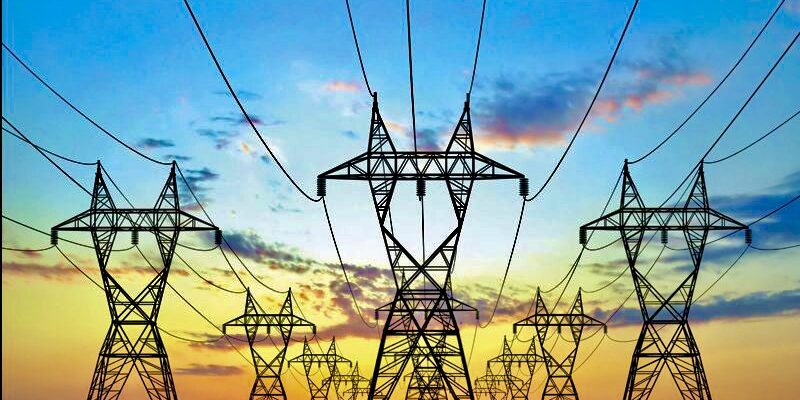
The inclusion of cross-border power trade and market integration reflects SADC’s push to strengthen regional power pools and optimise energy resources across borders, reducing supply deficits and improving system stability.
Equally, the spotlight on clean cooking, energy storage and digital integration highlights efforts to address energy poverty, improve health outcomes and build smarter, more resilient power systems capable of supporting modern economies.-herald