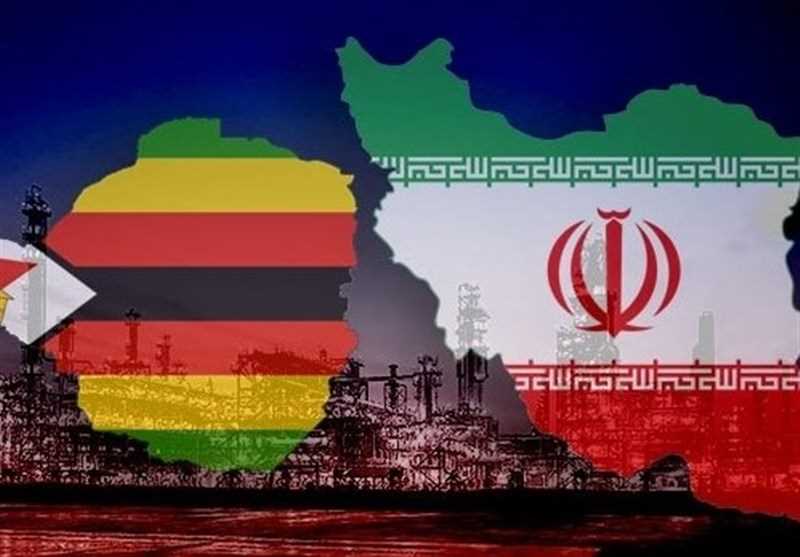
Zimbabwe’s efforts to deepen economic cooperation with Iran are gathering momentum, presenting a rare and timely window for the country’s private sector to expand trade and investment ties with one of the Middle East’s most industrialised economies.
The two countries are strengthening economic ties, focusing on mining, energy, agriculture and manufacturing to leverage complementary resources.
Driven by the 9th Joint Permanent Commission on Cooperation (JPCC) in Tehran in 2023, they aim to increase bilateral trade, with Iran investing in tractor manufacturing, pharmaceuticals, and infrastructure.
Speaking on the evolving relationship, Zimbabwe’s Ambassador to Iran Mr Bright Kupemba, said the renewed push to unlock economic opportunities follows a clear directive by President Mnangagwa for Zimbabwe’s embassies to move beyond traditional diplomacy and actively facilitate trade, investment, tourism, and market access for local businesses.
“Our engagement with Iran is part of the broader economic diplomacy thrust by His Excellency, President Mnangagwa, which mandates all our missions abroad to translate Zimbabwe’s excellent foreign relations into tangible economic benefits.
Zimbabwe and Iran have scope to significantly expand cooperation, with growing opportunities for direct private sector engagement as both countries seek to deepen economic cooperation under South–South partnerships.
“Iran presents a unique opportunity, and this is the best time for Zimbabwean companies to position themselves in this market.”
He said the current period presents favourable conditions for Zimbabwean companies to establish direct links with Iranian firms, noting that businesses in Iran are actively seeking to expand their international partnerships as they respond to longstanding challenges with Western economies, including the United States.
According to Ambassador Kupemba, there has been a noticeable “stampede” by African countries keen to tap into Iran’s large market and advanced industrial base and Zimbabwe should not be left behind.
“There has been a noticeable increase in African countries engaging Iran for business.
“Zimbabwean companies should take advantage of this window to expand economic cooperation while market access conditions are favourable,” he said.
Zimbabwe already has an institutional framework to support this engagement through the national trade development and promotion agency, ZimTrade, which signed a Memorandum of Understanding (MoU) with the Trade Promotion Organisation of Iran in 2023.
The agreement is aimed at strengthening cooperation in trade and investment, including business-to-business linkages, market access facilitation and information sharing.
Ambassador Kupemba said the ongoing operationalisation of the MoU should begin delivering tangible benefits to private sector players in both countries.
On the export side, Zimbabwe has a competitive offering that aligns with demand in Iran. Tobacco presents a significant opportunity, with Iran providing a large and consistent market.
Zimbabwe supplies fresh tobacco, agricultural produce, animal feed, processed foods, minerals and various raw materials.
“These products are already traded in different forms, but there is room to scale volumes and diversify exports through direct engagement,” the Ambassador said.
At the same time, Iran’s industrial base presents opportunities for technology transfer and skills development that support Zimbabwe’s industrialisation objectives.
Iran has advanced capabilities in energy, science and technology, pharmaceutical manufacturing, agricultural mechanisation, fertiliser production, as well as gas and petrochemicals.
Ambassador Kupemba said cooperation in these sectors could support productivity improvements in Zimbabwe, particularly in agriculture and energy, while creating opportunities for joint ventures, technical partnerships and investment.
Despite these opportunities, the Ambassador noted that much of the existing trade between Zimbabwe and Iran currently takes place through intermediaries in third markets, mainly the United Arab Emirates and South Africa.
While this has enabled trade flows to continue, it increases transaction costs and limits direct relationships between producers and end users. He encouraged Zimbabwean businesses to establish direct market presence in Iran, arguing that sustainable trade growth depends on closer engagement with buyers, distributors and industrial partners.
“Direct engagement allows companies to understand the market, reduce costs and build long-term commercial relationships,” he said.
To support this approach, the Embassy is working with ZimTrade on plans to establish a warehousing facility in Iran. The facility is intended to provide a logistical base for Zimbabwean products, improve delivery times and reduce entry barriers for exporters.
“The idea is to create an easier landing for Zimbabwean goods in the market, particularly for companies entering Iran for the first time,” Ambassador Kupemba said.-herald