In the heart of Mashonaland Central Province, where the ancestral spirits whisper through ancient trees and the soil bears witness to centuries of tradition, a quiet revolution is reshaping Zimbabwe’s tourism narrative.
Culture centres are emerging as powerful instruments of destination branding, weaving together threads of heritage, spirituality and national identity into a tapestry that beckons both domestic and international visitors to experience the authentic soul of Zimbabwe.
The newly established Baradzanwa Culture Centre, nestled near the serene waters of Mazowe Dam, stands at the forefront of this transformative shift.
More than a mere tourist attraction, this cultural sanctuary represents a deliberate reclamation and celebration of indigenous knowledge systems, traditional practices, and the spiritual foundations that have sustained Zimbabwean communities across generations.
Its emergence signals a broader national movement that includes centres such as the Amagugu International Heritage Centre in the ancient Matobo Hills, Panyatsime Heritage and Culture Centre in Chitungwiza, Murehwa Culture Centre and the TG Silundika Cultural Community Centre, which celebrates Kalanga heritage.
Strategic Positioning
Baradzanwa’s location in Mashonaland Central Province carries profound symbolic and practical significance. This province occupies the geographical epicentre of Zimbabwe, positioning the culture centre as both a literal and metaphorical heart of the nation.
For tourism strategists, this central location offers unparalleled accessibility, serving as a natural convergence point for visitors travelling from Harare, the Midlands and northern regions. The proximity to Mazowe Dam adds layers of appeal, combining cultural immersion with the natural beauty that has long defined Zimbabwe’s tourism offering.
Visitors can engage with living traditions in the morning and enjoy recreational activities along the dam’s shores in the afternoon, creating a holistic experience that addresses the modern traveller’s desire for diverse, meaningful encounters.
This integration mirrors successful global models such as New Zealand’s Māori cultural centres, where indigenous heritage meets natural landscapes to create compelling destination narratives.
The Mbuya Nehanda Connection: Spirituality as Heritage
No discussion of Baradzanwa’s cultural significance can proceed without acknowledging the towering spiritual presence of Mbuya Nehanda. As the revered spirit medium who became the spiritual architect of Zimbabwe’s liberation struggle, Mbuya Nehanda’s legacy permeates Mashonaland Central’s cultural landscape.
Her prophetic words, courage under colonial oppression and ultimate sacrifice transformed her into an enduring symbol of resistance, resilience and national consciousness. The Baradzanwa Cultural Centre’s location within this spiritually charged territory creates authentic connections between contemporary tourism experiences and the profound historical narratives that shaped modern Zimbabwe.
Visitors can explore how traditional spiritual systems provided not merely religious frameworks, but comprehensive philosophies of governance, justice, environmental stewardship, and social cohesion.
Understanding Mbuya Nehanda’s role illuminates how indigenous belief systems fuelled liberation movements, challenging visitors to appreciate African spirituality as a sophisticated and powerful force in historical transformation.
This spiritual dimension distinguishes Zimbabwean cultural tourism from superficial heritage commodification. Tourists engage with living traditions that continue to shape contemporary identity rather than examining preserved relics of a disappeared past, much like how the Smithsonian’s National Museum of the African American Indian in Washington presents indigenous cultures as dynamic, evolving forces rather than historical curiosities.
A Network of Cultural Excellence
While Baradzanwa leads the charge in Mashonaland Central, Zimbabwe’s cultural tourism network extends across the nation’s diverse regions, each centre offering unique perspectives on the country’s rich heritage tapestry.
The Amagugu International Heritage Centre, perched among the mystical granite formations of Matobo Hills, provides visitors with deep historical immersion in one of Zimbabwe’s most spiritually significant landscapes.
Here, ancient rock art tells stories spanning millennia, connecting contemporary visitors with the San people who first inhabited these lands. In Chitungwiza, the Panyatsime Heritage and Culture Centre delivers immersive experiences that bring urban communities into dialogue with traditional practices. Its programming demonstrates how cultural heritage remains relevant in modern, metropolitan contexts, offering workshops, performances, and educational initiatives that bridge generational divides.
The Murehwa Culture Centre has established itself as a premier destination for traditional arts and crafts, where master artisans demonstrate techniques passed down through generations.
Visitors witness the creation of basketry, pottery and sculptural works that carry both aesthetic beauty and functional purpose, projecting craft production as economic activity, artistic expression and cultural preservation simultaneously.
Meanwhile, the T.G Silundika Cultural Community Centre serves as a vital repository of Kalanga heritage, ensuring that Zimbabwe’s ethnic diversity finds authentic representation in the national tourism narrative. This centre’s focus on community development alongside cultural preservation exemplifies how heritage institutions can serve multiple developmental objectives.
Culture Centres as Tourism Branding Tools
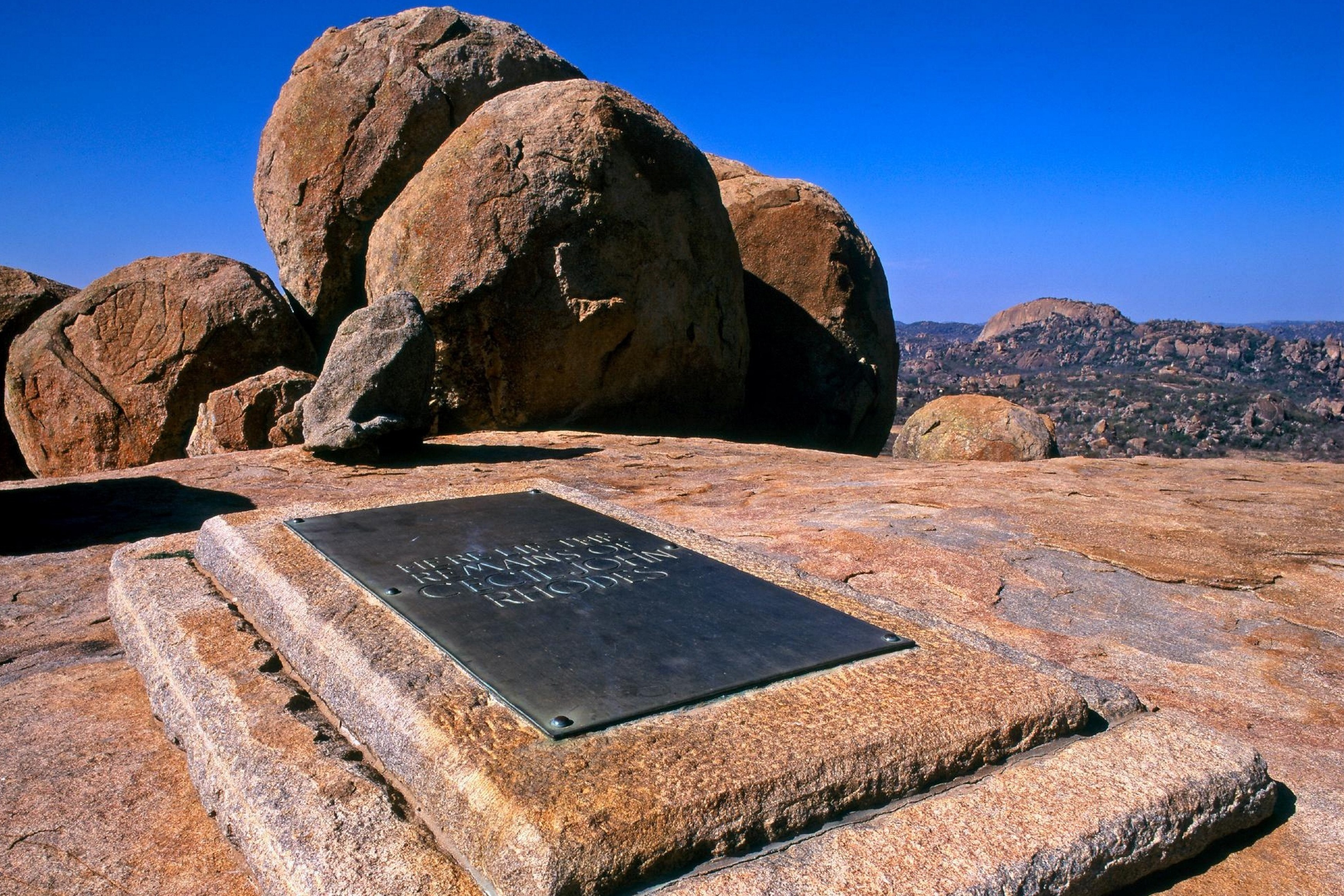
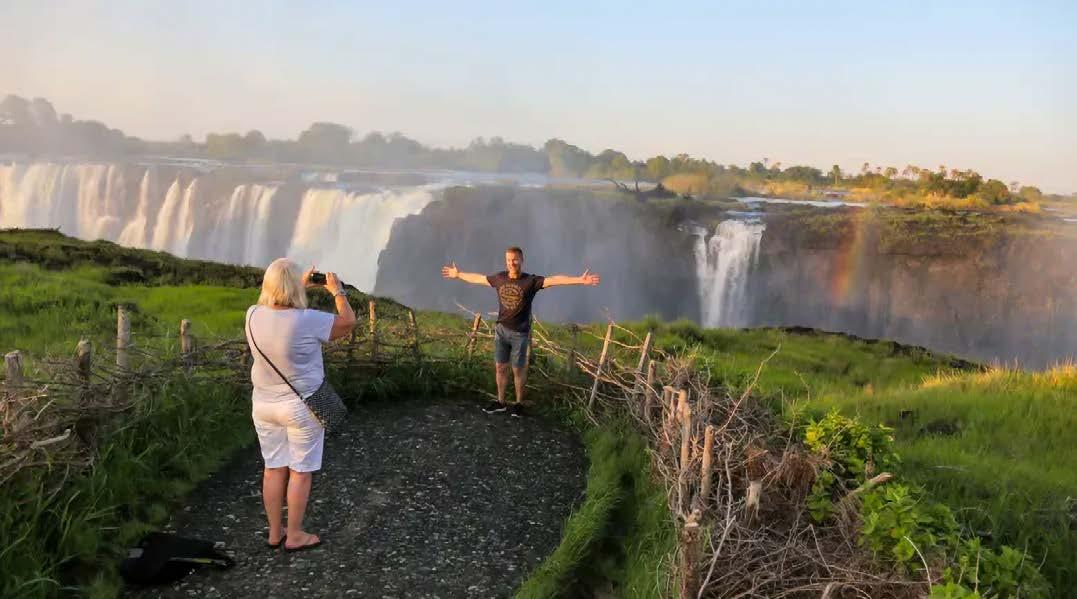
The strategic development of culture centres represents sophisticated destination branding that transcends conventional marketing approaches. Zimbabwe’s tourism sector has historically emphasised natural wonders: the majestic Victoria Falls, abundant wildlife and the haunting beauty of Great Zimbabwe’s stone ruins. While these attractions remain invaluable, they present an incomplete portrait of the nation’s offerings.
Globally, nations have successfully leveraged culture centres to redefine tourism brands.
Ireland’s cultural tourism strategy, anchored by centres celebrating Celtic heritage, music and literary traditions, has transformed the country’s international image beyond landscapes to encompass cultural dynamism.
Similarly, Peru’s tourism renaissance owes much to centres that contextualise Incan heritage within living indigenous communities, moving beyond Machu Picchu to showcase continuing cultural practices. Baradzanwa and its counterparts introduce human dimensions that create emotional resonance with visitors. They showcase traditional music, dance, oral literature, culinary heritage and ceremonial practices that have survived centuries of change.
At the cultural centre, visitors can participate in traditional ceremonies, learn indigenous agricultural practices and engage with spirit mediums who maintain connections between the living and ancestral realms. This cultural authenticity provides competitive differentiation in an increasingly crowded global tourism marketplace where travellers seek meaningful, transformative experiences rather than passive sightseeing.
Moreover, these centres facilitate community participation in tourism economies. Local artisans, performers, storytellers, and traditional healers become active stakeholders rather than peripheral observers. This inclusive model generates sustainable livelihoods while ensuring cultural transmission to younger generations, addressing both economic and preservation imperatives simultaneously.
The Second Republic’s Vision: Heritage for Economic Transformation
The current administration`s commitment to leveraging heritage systems for economic development reflects a nuanced understanding of soft power and national branding. Under the Second Republic’s leadership, cultural heritage has been repositioned from a peripheral concern of arts ministries to a central pillar of economic strategy.
This policy shift recognises that Zimbabwe’s competitive advantage lies partly in its rich, diverse cultural heritage, which remains substantially unexplored by international tourism markets. Government investments in cultural infrastructure, particularly the support for centres like Baradzanwa, coupled with supportive regulatory frameworks and targeted marketing initiatives, signal a serious intent to transform heritage into economic value without compromising authenticity or community ownership.
The vision extends beyond immediate tourism revenues to encompass broader developmental outcomes, including employment creation, skills development, infrastructure improvement in rural areas, and enhanced national pride.
When Zimbabwean citizens see their traditions valued and celebrated through formal cultural institutions like Baradzanwa, Amagugu and others, it strengthens social cohesion and collective identity.
The network of centres creates employment for cultural practitioners, guides, hospitality workers, and administrators while stimulating ancillary economic activities in surrounding communities.
Looking Forward: Sustainable Cultural Tourism
The emergence of centres like Baradzanwa represents merely the beginning of Zimbabwe’s cultural tourism journey. Sustainability requires ongoing investment, community engagement, quality control, and adaptive management that responds to visitor feedback while maintaining cultural integrity.
International best practices suggest that successful cultural tourism balances accessibility with authenticity, commercialisation with cultural respect and economic returns with community wellbeing. Countries like Japan have demonstrated how traditional cultural centres can coexist with modernity, offering visitors profound cultural encounters while supporting thriving contemporary communities.
Success will be measured not only in visitor numbers and revenue generation, but also in the vitality of traditions being showcased, the well-being of participating communities and the degree to which these centres inspire pride among Zimbabweans themselves.
As Zimbabwe redefines its tourism brand, Baradzanwa Cultural Centre and its counterparts across the nation stand at the vanguard of this transformation. They offer pathways to economic prosperity rooted in authenticity, community empowerment and the timeless wisdom of ancestors like Mbuya Nehanda.
In embracing this approach, Zimbabwe demonstrates that development need not abandon tradition, but can instead draw strength from cultural foundations, creating tourism experiences that enrich both visitors and host communities alike.
Charles Mavhunga co-authored textbooks in Business Entrepreneurial Skills and is currently studying for a Ph.D. in Management at Bindura University. He can be contacted at charles.mavhunga@gmail.com Cell:0772989816.-hrald