THE Famine Early Warning Systems Network (FEWS NET) has reported above-average rainfall received across Zimbabwe, resulting in significantly improved crop conditions and planted area, setting the stage for an above-average 2026 harvest despite rising food insecurity.
FEWS NET, established by the United States Agency for International Development (USAID), was briefly shut down by the American government after the coming in of the current administration led by US President Donald Trump, but resumed its operations mid-2025.
As of July 2025, USAID ceased independent operations and was largely dismantled, with its remaining, significantly reduced functions moved under the direct authority of the American government’s US State Department.
FEWS NET provides early warning and analysis on acute food insecurity around the globe.
In its latest food security outlook for Zimbabwe, covering the January to May 2026 period, FEWS NET said above-average rainfall was received in January across the country, resulting in continued conditions supportive of agricultural production.
Advertisements
“As the November to February lean season reaches its peak, Crisis (IPC Phase 3) outcomes are expected to expand as more poor households start experiencing food consumption gaps,” it said.
“Most typical deficit-producing areas in the south, east, west, and far north will move into Crisis (IPC Phase 3) due to the depletion of own-produced food stocks and constrained access to market purchases due to poor purchasing power, driven by limited income and relatively high food prices.”
IPC stands for Integrated Food Security Phase Classification.
In most typical surplus-producing areas — mainly in the Mashonaland provinces — FEWS NET noted stressed (IPC Phase 2) outcomes would be prevalent as poor households rely on limited, own-produced food stocks and some labour income for market purchases.
“Forecasted average rainfall through the rest of the November to March rainy season is likely to result in an above-average 2026 crop harvests from April/May, improving household food access and driving Minimal (IPC Phase 1) and Stressed (IPC Phase 2) outcomes,” FEWS NET said.
It added that cumulative seasonal rainfall from October to January is up to double the seasonal average across most areas, with higher amounts received in the southern, southeastern and some western areas.
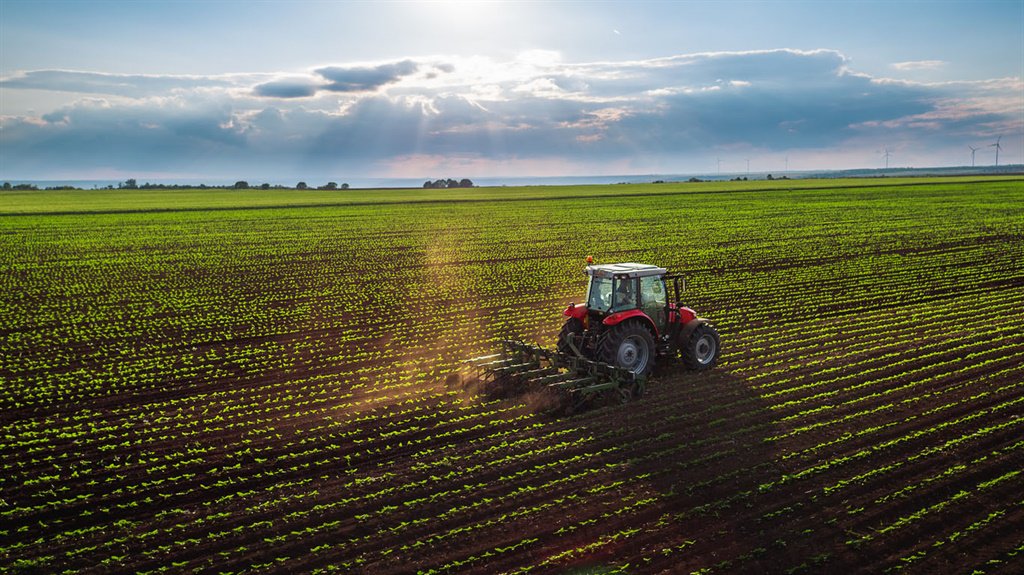
“Cropped area is above average for staple cereals and other crops. According to the Ministry of Agriculture, as of mid-January, area planted for maize had reportedly surpassed the 1,8 million hectare government target,” FEWS NET said.
Meanwhile, over 162 000 hectares of tobacco have been planted this season, a record for Zimbabwe and 42% above last season.
“The high-planted area is likely to drive another record for national tobacco production and is expected to support income in tobacco-producing areas — primarily in the Mashonaland and Manicaland provinces — when the marketing season starts,” FEWS NET said.
The harvesting and curing of the 2025/26 early-planted tobacco started in January for Zimbabwe’s top commercial crop.
“Despite some poorer conditions due to heavy rains, most crops are in good condition, ranging from the early vegetative to tasselling crop stages,” FEWS NET said.
“Following heavy rainfall across most areas, especially in the south and south-east, there has been nutrient leaching, waterlogging, and yellowing of crops, as well as difficulties in weed control and fertiliser application.”
FEWS NET noted that access to fertilisers on the market remains constrained, especially for poor households: relatively high fertiliser prices compared to recent years due to lower availability may negatively impact potential yields.
The above-average rainfall is also driving increased susceptibility of crops to pests, with the authorities encouraging farmers to actively scout for crop pests.
“However, above-average planted area and fewer problems in some high productivity northern areas are likely to continue to lead to an above-average national harvest,” FEWS NET said.
“Sustained favourable rainfall has significantly improved pasture availability and, therefore, livestock conditions. Livestock prices are currently above average.
“However, wetter conditions have increased the likelihood of seasonal livestock diseases, such as tick-borne diseases in herds, and waterborne diseases in rural and urban areas.”-newsda