As Zimbabwe enters a transformative phase under the leadership of the Second Republic, a confluence of peace, stability, and visionary governance is catalysing an unprecedented renaissance in the nation`s tourism sector.
The climate of national cohesion, reinforced by clearly articulated developmental strategies, has positioned Zimbabwe as an emerging global tourism destination capable of competing with world-class standards within the next three years.
The Second Republic’s commitment to anchoring development through the National Development Strategy 2 (NDS2) and the Vision 2030 agenda has created institutional frameworks that mirror the success models established by nations that have achieved exponential development.
These strategic pillars are not merely aspirational documents; they represent a deliberate commitment to upgrading Zimbabwe’s infrastructure, human capital and institutional capacity to meet Dubai-level standards and Beijing’s model of accelerated development.
The stability we are witnessing is not accidental, but it is the direct result of leadership that prioritises nation-building above all else. When investors see peace and clear development trajectories, capital flows naturally.
The Second Republic vision: foundation for transformation
The Second Republic’s ascension marked a watershed moment for Zimbabwe. Distinguishing itself through deliberate emphasis on political stability, institutional strengthening and strategic economic planning, the administration has created an environment where tourism can flourish.
Discover more
Zimbabwe news updates
Zimpapers publication access
Export visibility services
The narrative has shifted from uncertainty to possibility, from global scepticism to renewed investor confidence. Visitors seek destinations where they can travel safely, and local operators can invest without fear of disruption.
The Second Republic has understood this foundational prerequisite.
NDS2 and Vision 2030: Blueprints for global competitiveness
The National Development Strategy 2 represents a comprehensive recalibration of Zimbabwe’s developmental priorities.
Emphasising infrastructure modernisation, skills development and competitive positioning, NDS2 directly addresses the constraints that historically limited tourism growth.
From upgraded hospitality infrastructure to enhanced transportation networks, every strategic pillar supports tourism expansion.
Vision 2030 operates as the overarching compass. This long-term agenda articulates Zimbabwe’s aspiration to become an upper-middle-income economy with world-class standards.
In the tourism context, this translates to five-star facilities, internationally trained hospitality professionals, and experiences rivalling global standards.
The integration of tourism into these national strategies validates its central role in Zimbabwe’s economic transformation.
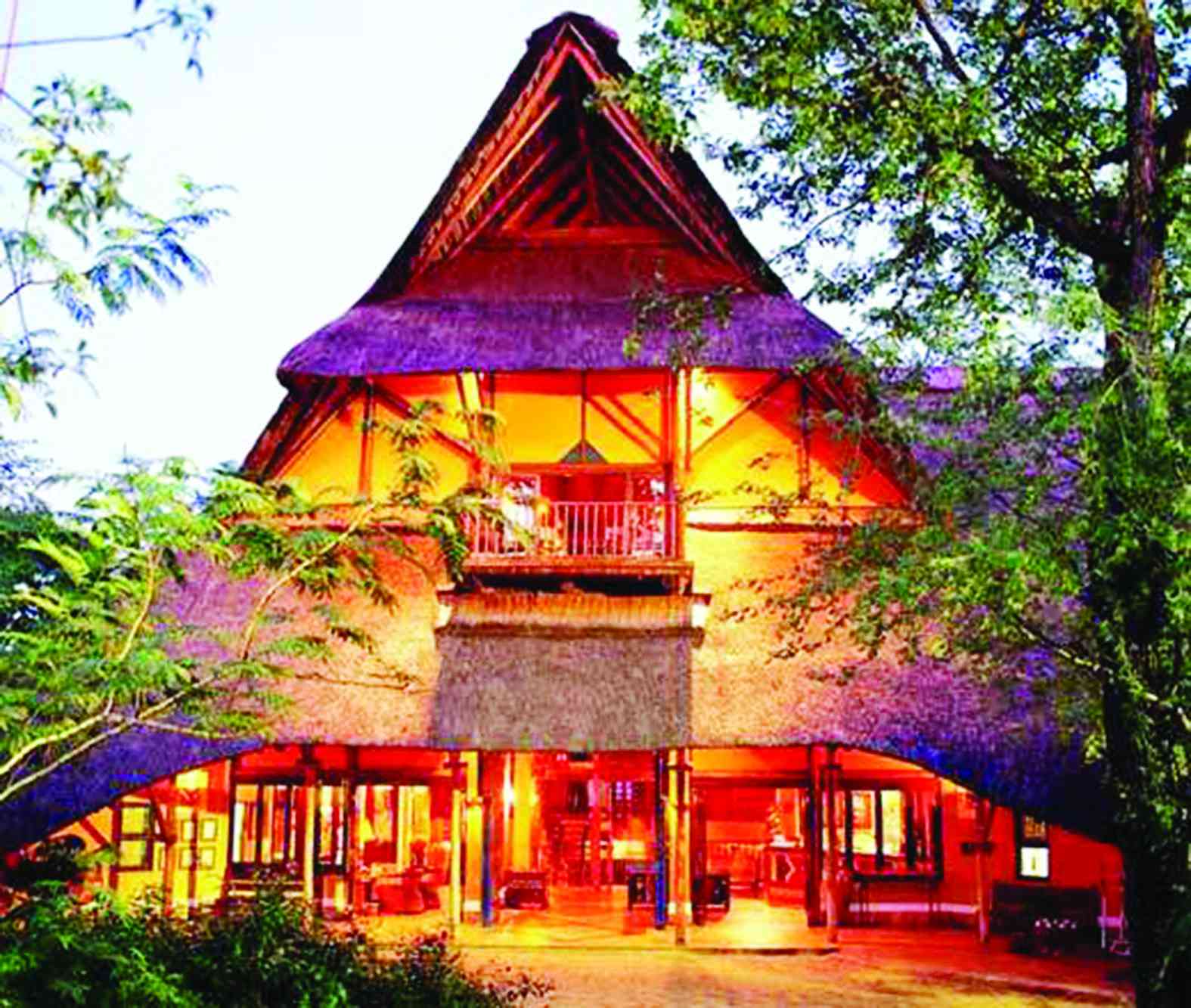
Hotel operators in Zimbabwe are experiencing unprecedented investment momentum, with international partnerships and capital infusions becoming more common.
This shift reflects growing confidence in the country’s political and economic environment, with tourism emerging as a key sector for economic growth.
Learning from Global Champions: Dubai and China
Zimbabwe’s development trajectory increasingly mirrors the strategic playbooks of global success stories. Dubai, once a trading post in the Arabian Gulf, transformed into a global tourism powerhouse through visionary leadership that prioritised infrastructure development, brand positioning and world-class standards.
The Emirate invested aggressively in iconic attractions, hospitality infrastructure and event hosting, creating an ecosystem where tourism became a cornerstone of economic diversification.
Similarly, China’s accelerated development model emphasised focused nation-building with clear strategic priorities.
The country’s investment in infrastructure, particularly high-speed rail networks, modern airports, and hospitality facilities, created competitive platforms for tourism expansion.
Through aligning all institutional resources toward realising a defined vision, China achieved transformational growth within remarkably compressed timeframes.
Zimbabwe’s Second Republic exhibits these same strategic characteristics: clarity of vision, institutional alignment and investor-friendly policies.
Infrastructure projects targeting improved airport facilities, upgraded road networks, and enhanced telecommunications are underway.
Educational initiatives are producing internationally qualified tourism professionals. The foundations are being laid for competitive participation in global tourism markets.
Three-year acceleration: Dubai standards within reach
The confidence that Zimbabwe can achieve Dubai-level standards within three years is not speculative. It is grounded in concrete development initiatives and the political will to execute them.
Tourist attractions are undergoing enhancement. Hospitality training programmes are intensifying.
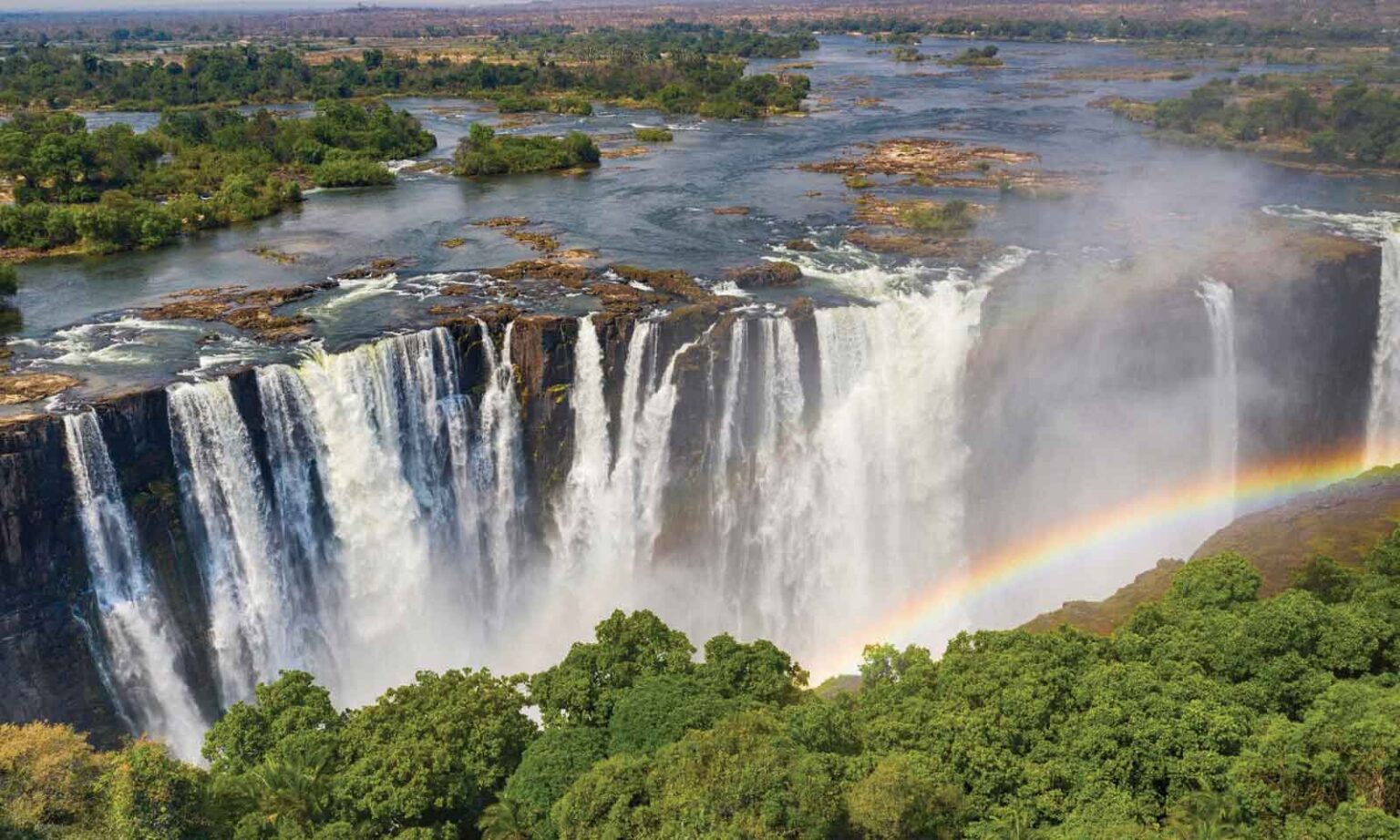
Marketing campaigns are repositioning Zimbabwe as a premier destination offering unique wildlife experiences, geological wonders, and cultural richness at global standards of comfort and service.
The country’s tourism industry is experiencing unprecedented momentum, with international arrivals and revenue on the rise.
The Government has implemented reforms to streamline business processes, enhance regulatory frameworks, and promote public-private partnerships, creating a conducive environment for sustainable growth.
Peace as competitive advantage
Fundamentally, Zimbabwe’s tourism renaissance rests upon peace and stability. No marketing campaign, however sophisticated, can overcome the perception of insecurity.
Conversely, peace creates opportunities.
When a nation is at peace with itself and projects confidence in its future, investment follows naturally. Zimbabwe’s Second Republic has deliberately cultivated this climate, understanding that peace is not merely an end in itself but a prerequisite for prosperity.
The leadership philosophy underlying Vision 2030 prioritises inclusive development and social cohesion. These principles translate into stable business environments, predictable regulatory frameworks, and investor confidence.
Tourism operators and hospitality investors respond positively to such environments, channelling capital and expertise into ventures that contribute to sectoral growth.
Conclusion: A nation transformed
Zimbabwe stands at an inflection point.
The convergence of peace, stability, and focused leadership has created an environment where rapid development becomes achievable. The National Development Strategy 2 and Vision 2030 provide the institutional roadmaps.
Global examples from Dubai and China validate the approach. Within three years, Zimbabwe can credibly position itself alongside Dubai as a world-class tourism destination, driven not by chance but by deliberate, sustained execution of a unified national vision.
The Second Republic’s commitment to nation-building, manifested through these strategic instruments, is the booster that Zimbabwe’s tourism brand needed.
As implementation accelerates and visible transformation becomes evident globally, Zimbabwe will attract the investment, expertise, and visitor flows that define premier tourism destinations. The next three years will maintain the vision.
Charles Mavhunga co-authored textbooks in Business Entrepreneurial Skills and is currently studying for a Ph.D. in Management at Bindura University. He can be contacted at charles.mavhunga@gmail.com. Cell:0772989816
-herald