The unveiling of the 2026 Monetary Policy Statement by the Reserve Bank of Zimbabwe is not merely a technical update but it is a declaration of intent, a reaffirmation of sovereignty and a bold stride towards Vision 2030.Export visibility services
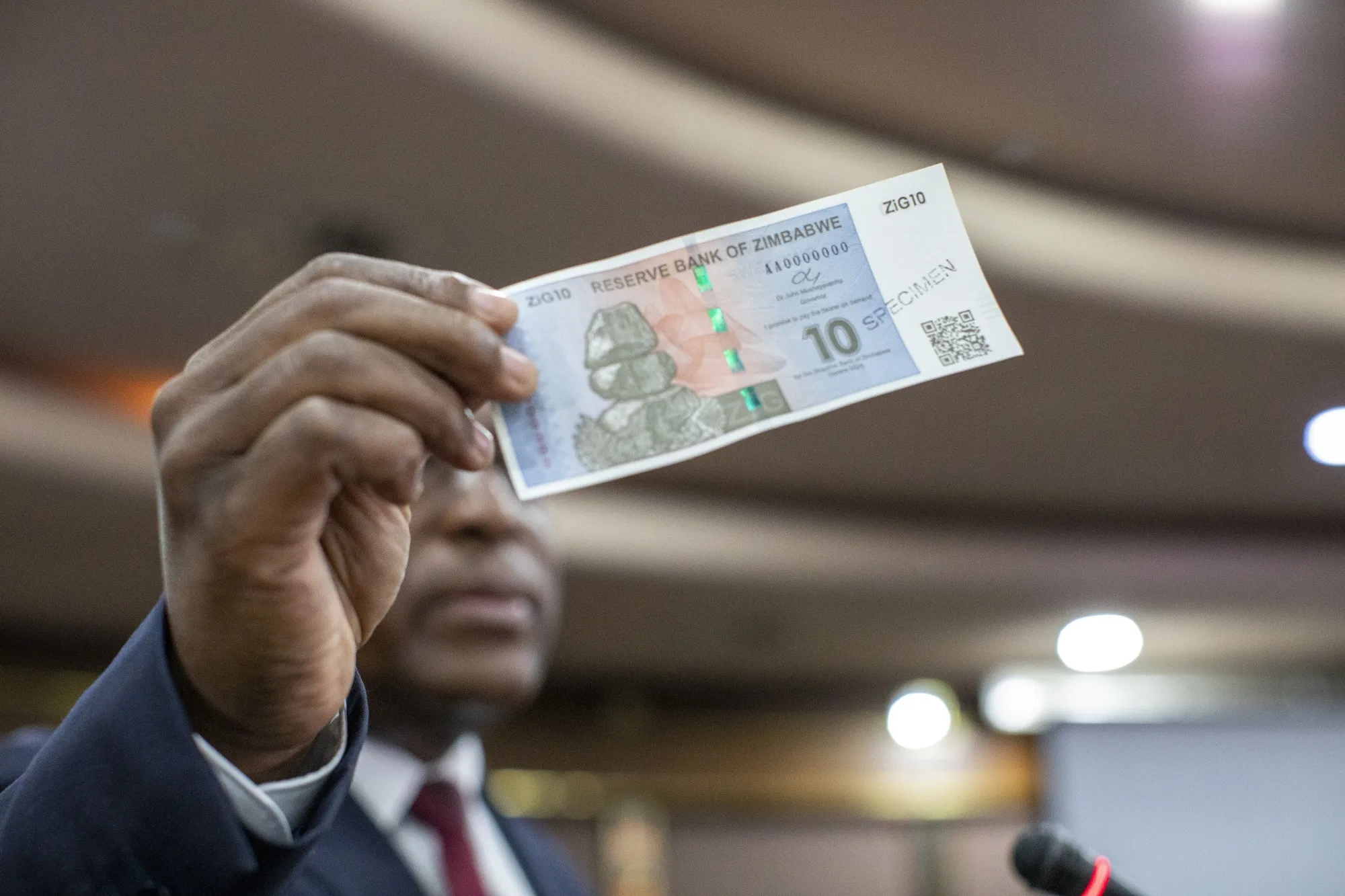
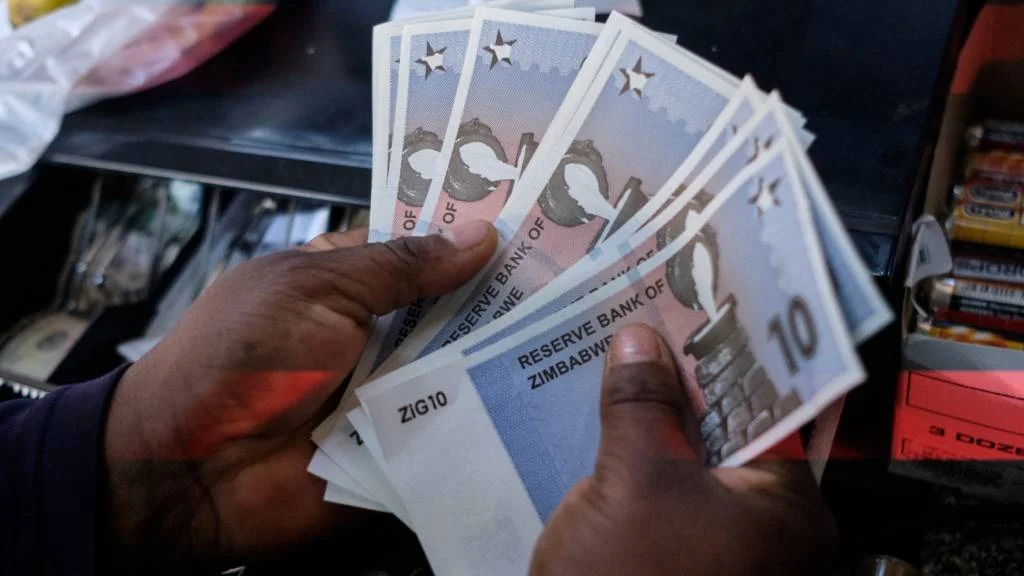
At its heart lies the introduction of new ZiG denominations — 10, 20, 50, 100, and 200 notes, an act that is both practical and profoundly symbolic. These notes are not mere instruments of exchange but they are instruments of confidence, dignity, and national identity. They represent Zimbabwe’s refusal to be perpetually tethered to foreign currencies and its determination to build an economy that breathes with its own lungs.
RBZ Governor John Mushayavanhu, unveiling the Statement, was unequivocal as he told the nation that “The introduction of the new notes is part of ongoing currency modernization efforts, designed to enhance transactional convenience while maintaining strict discipline in money supply growth.” He emphasized that the ZiG remains anchored on gold reserves and foreign currency balances, ensuring that issuance is backed by tangible value. This is a critical assurance that Zimbabwe is not returning to reckless printing, but advancing a disciplined, reserve-backed currency regime. The Governor’s further reiterated that, “We are building a currency that reflects the strength of our economy and the resilience of our people.”
The Minister of Finance and Economic Development Hon. Minister Mthuli Ncube reinforced this ideological position, declaring that, “A nation without its own currency is a nation without its own future. The ZiG is not just money but it is the heartbeat of our sovereignty.” His statement captures the essence of this policy shift. Currency sovereignty is inseparable from political sovereignty. By issuing higher-value notes, Zimbabwe is not only easing transactions but also asserting that its economy can sustain its own monetary system.
The Permanent Secretary in the Ministry of Finance Mr George Guvamatanga echoed this sentiment by noting that, “The ZiG is a symbol of resilience. It is a reminder that Zimbabweans must trade in their own currency, believe in their own currency and build their future on their own currency.” These statements reflect a unified government stance, currency sovereignty is inseparable from national sovereignty.
President Emmerson Mnangagwa has long championed this vision. His oft-repeated mantra, “We must eat what we grow, wear what we produce, and trade in our own currency” resonates powerfully in this moment. In his recent remarks, the President stated that, “The ZiG is the currency of our destiny. It is the foundation upon which Vision 2030 will be built.” These words are not mere talk but they are a call to action. The introduction of the ZiG100 and ZiG200 notes is not just about facilitating larger transactions but it is about affirming that Zimbabweans can trust their own currency to carry the weight of their economy. It is a rejection of defeatist narratives that claim Zimbabwe cannot sustain its own monetary system. It is a declaration that Vision 2030, our aspiration to become an upper middle-income economy is achievable only if we stand on our own financial feet.
Economically, the new notes address both micro and macro realities. At the micro level, they ease daily transactions, reduce the burden of carrying excessive cash and restore dignity to the act of payment. For businesses, they simplify operations, reduce costs associated with handling large volumes of smaller denominations and enhance efficiency. For households, they make savings more practical and payments more convenient. For the informal sector, which remains a vital part of Zimbabwe’s economy, the availability of higher denominations reduces friction and enhances confidence in the ZiG.
At the macro level, the issuance of higher-value notes signals confidence in the currency’s stability, strengthens monetary sovereignty and reduces reliance on foreign currencies. It enhances the RBZ’s ability to manage liquidity, align money supply growth with real economic activity and maintain inflation within target ranges. By anchoring the ZiG on gold reserves, the RBZ is grounding our currency in tangible national assets, ensuring that it is not merely paper but a reflection of Zimbabwe’s wealth.
Critics may argue that introducing higher denominations risks inflationary pressures. Yet the RBZ has been clear that money supply growth will be strictly aligned with real economic activity and liquidity conditions will remain consistent with the inflation objective. This is not the reckless printing of yesteryear but it is a carefully calibrated policy backed by reserves and discipline.
The political implications are profound. For too long, the dominance of the US dollar in our economy has been weaponised by opposition rhetoric, portraying Zimbabwe as incapable of sustaining its own currency. The issuance of the Big 5 ZiG notes dismantles that narrative. It demonstrates that the government is not retreating from currency sovereignty but advancing it. It shows that Zimbabwe is willing to confront the challenges of monetary independence head-on, rather than outsourcing its future to foreign currencies. This is a bold, unapologetic assertion of national pride.
Moreover, the symbolism of the Big Five animals on the notes cannot be overlooked. These are not mere decorations but they are emblems of strength, resilience and heritage. Just as the lion, elephant, buffalo, leopard and rhino embody Zimbabwe’s natural majesty, so too must the ZiG embody our economic sovereignty. The notes are a reminder that our currency is not an abstract construct but it is rooted in our land, our resources and our identity.
The introduction of the new notes must also be understood within the broader framework of NDS2. Industrialisation, infrastructure development and social transformation cannot be achieved if our economy remains hostage to foreign currencies. The ZiG is the bloodstream of our economic body and without it, Vision 2030 is a dream deferred. With it, Vision 2030 becomes a dream within reach. The Minister of Finance Hon. Mthuli Ncube captured this perfectly when he said, “Vision 2030 requires a currency that reflects our sovereignty, supports our growth and empowers our people. The ZiG is that currency.”
At the microeconomic level, the ZiG empowers households and small businesses. It restores confidence in savings, reduces transaction costs and enhances financial inclusion. At the macroeconomic level, it strengthens monetary sovereignty, enhances policy effectiveness and reduces vulnerability to external shocks. Together, these micro and macro impacts create a virtuous cycle of growth, stability and confidence.
The 2026 Monetary Policy Statement is not just a technical document but it is a manifesto of sovereignty. The new ZiG notes are not just pieces of paper but they are instruments of dignity, confidence and independence. The Minister of Finance, the RBZ Governor, the Permanent Secretary and the President have all spoken with one voice that Zimbabwe must trade in its own currency, believe in its own currency and build its future on its own currency. The Big 5 ZiG notes are a bold step forward, a positive stride for our economy and a powerful affirmation of our politics. They are, quite simply, the currency of our destiny.-herald