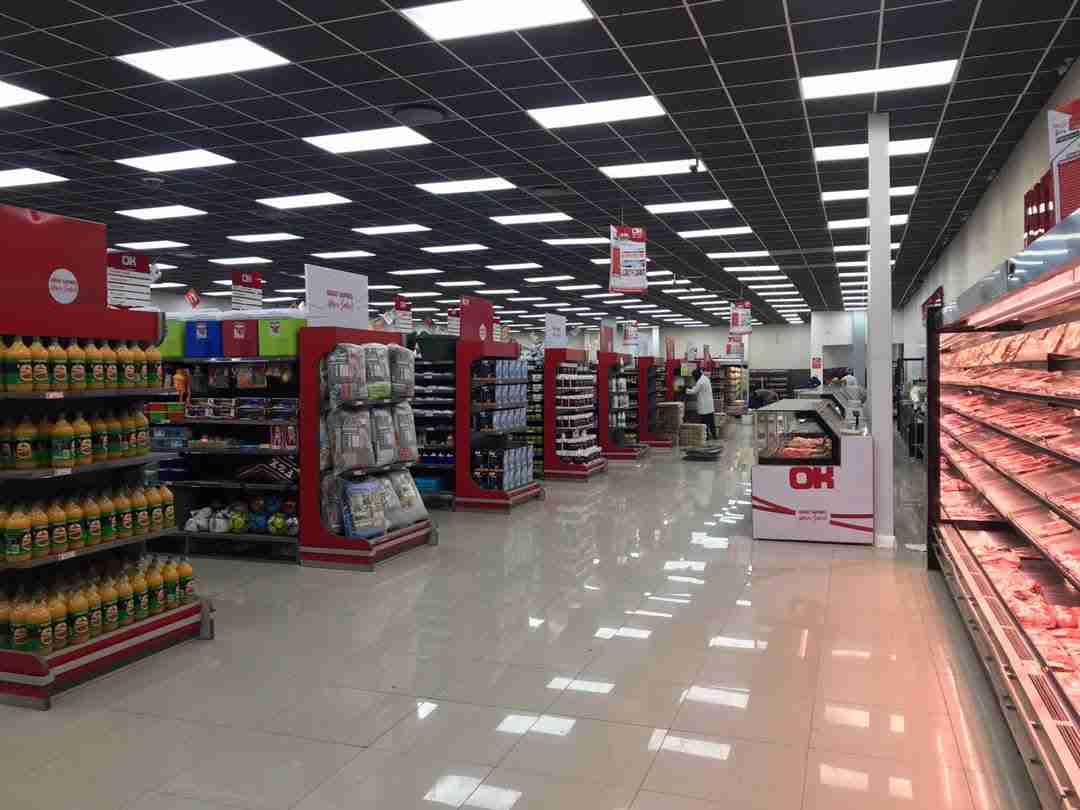
AS retail giant OK Zimbabwe enters corporate rescue, a chilling precedent involving clothing retailer Truworths suggests investors could have their investments wiped out.
For the more than 8 000 shareholders of OK Zimbabwe, the notice that landed in inboxes on February 25 contained a stark message: the company they had invested in was now in corporate rescue and their fate rested in the hands of a practitioner they did not choose and a process they cannot control.
If the recent experience of Truworths is any guide, those shareholders may be staring into despair.
When Truworths Zimbabwe Limited crashed into corporate rescue in August 2024, it took with it the life savings of institutional investors and ordinary Zimbabweans.
The clothing retailer, once a beacon of local retail success for over 67 years, operating 101 stores, was technically insolvent, with net liabilities of nearly US$1 million before due diligence and US$2 million after.
Money
Total creditors were valued at US$2,5 million.
What happened next sent shockwaves through the investment community.
Existing shareholders, including major players like Truworths International (with a 34,39 percent stake) and Mega Market (33,81 percent), watched while their shareholding evaporated.
Their shares were effectively liquidated – cancelled entirely – for a nominal value of just US$1 in total.
That’s one dollar, shared among them all.
“The group was technically insolvent,” corporate rescue practitioner Dr Oliver Mtasa explained at the time, painting a picture of a business model that had become unsustainable.
Eighty-five percent of Truworths’ sales were on credit, but the company lacked the liquidity to fund its stock and debtors’ book.
Truworths had failed to fully cover payroll obligations for 16 months before the rescue.
Subsequently, the company delisted from the Zimbabwe Stock Exchange.
Now, OK Zimbabwe finds itself on a remarkably similar trajectory and the parallels are uncomfortable.
Both companies are retail giants with decades of history. Both blamed it on the same factors, namely economic volatility, currency and competition from informal traders unburdened by tax and regulatory compliance.
Both attempted rights issues proved insufficient.
OK Zimbabwe’s shareholders approved a US$20 million rights offer in July 2025, alongside plans to raise another US$10,5 million through property disposals.
Major institutional shareholders – the National Social Security Authority (NSSA), Datvest Nominees and Old Mutual Life Assurance Company – collectively holding 48 percent of the company’s ordinary shares, underwrote the offer.
Discover more
Newspaper delivery service
Agricultural equipment tools
Financial market courses
But as the Truworths case demonstrates, even committed institutional backing cannot guarantee the risk of savings loss for shareholders. The Truworths (local currency) rights issue in 2023 lost 50 percent of its US dollar equivalent value due to currency depreciation between the opening and closing dates of the offer.
OK Zimbabwe’s offer, priced in US dollars and requiring payment exclusively in hard currency, was designed to avoid precisely that trap. Yet it still proved insufficient to restore supplier confidence or halt the decline.
Under Section 122 of the Insolvency Act, once a company enters corporate rescue, an automatic moratorium protects it from legal action while the practitioner investigates and prepares a restructuring plan. Shareholders become “affected persons” – consulted, notified, but ultimately passive observers.
The corporate rescue plan for Truworths, adopted in November 2024, painted a brutal picture of winners and losers.
Unsecured creditors received just 12 cents for every dollar owed, paid through debentures over 24 months at 8 percent annual interest. Employees, owed US$1,97 million in back pay and severance packages, were rehired under new contracts, forfeiting pre-rescue entitlements.
Discover more
Youth mentorship programs
newspaper
Newspapers
On the other hand, shareholders received nothing of substance.
The Valfin-led consortium injected US$4 million and gained control of Truworths’ retail network and manufacturing assets.
First Mutual Microfinance secured the debtor’s book. Existing shareholders were simply erased.
The circular accompanying OK Zimbabwe’s rights offer last year warned of dilution.
The Net Asset Value per share was projected to decline from US$0,0587 to US$0,0310 after the offer – a direct consequence of issuing 1,83 billion new shares.
But dilution now appears the least of shareholders’ concerns.
Total value obliteration is the more realistic prospect.
OK Zimbabwe’s board insists that the company remains viable, citing valuable buildings, equipment, human capital, customer following and industry knowledge that can be leveraged for a turnaround.
But not everything will be retained.
The assets are now on the table for disposal, as part of the plan to raise US$10,4 million through sales, including OK Mbuya Nehanda, OK Gweru, OK Glen View, OK Malvern and a prime industrial property in Workington.
Each sale strengthens liquidity, but erodes the company’s long-term asset base – and with it, the underlying value that might otherwise accrue to shareholders.
Corporate rescue practitioner, Mr Bulisa Phillimon Mbano of Grant Thornton, now faces the unenviable task of crafting a plan that satisfies creditors, preserves jobs and either returns the company to solvency or secures a better return than liquidation would deliver.
The Truworths’ precedent suggests what comes next.
A consortium of investors will likely emerge, injecting fresh capital in exchange for control.
Creditors will accept cents on the dollar. Employees will keep their jobs – under new terms. And shareholders will be asked to approve a plan that extinguishes their stakes entirely, receiving perhaps the same symbolic US$1 that Truworths investors accepted.
Behind the institutional stakes and corporate jargon lie real people, as OK Zimbabwe has more than 8 000 shareholders.
Many are pension funds like NSSA, representing the retirement savings of thousands of Zimbabwean workers.
Others are ordinary individuals who bought shares on the Zimbabwe Stock Exchange, believing in a brand that had survived since 1953.
One concerned shareholder, writing in November 2025 as an investment analyst, described watching “shrinking profit margins, reduced market confidence and the apparent lack of a clear turnaround strategy.”
The warning signs, he said, were visible to anyone paying attention.
For those shareholders, the question now is not whether they will recover their investment.
The Truworths outcome answers that definitively. The question is whether the company they once owned can survive – and whether, in the wreckage of corporate rescue, any value remains for those who believed in it longest.
Discover more
Television streaming services
Radio station merchandise
Digital media solutions
The answer will arrive in the coming months, when Mr Mbano presents his restructuring plan and shareholders gather – perhaps for the final time – to vote on a future that may no longer include them.-herald