OK Zimbabwe’s financial distress worsened in the half-year ended September 30, 2025, with the country’s largest listed retailer plunging into a US$17,81 million net loss as collapsing sales, mounting payables and rising short-term borrowings exposed the scale of its liquidity crunch.
The interim financial results reveal a business under severe strain, struggling to meet supplier obligations while relying heavily on costly short-term funding to remain operational.
Trade and other payables stood at US$27,72 million by September, only marginally down from US$28,30 million at the March year-end, reflecting persistent delays in settling creditors. Trade payables alone amounted to US$22,41 million, underscoring pressure on supplier relationships at a time when stock availability remains critically low.
Short-term borrowings, though reduced from March levels, remained elevated at US$5,72 million, comprising US$2,17 million in interest-bearing loans and US$3,55 million in bank overdrafts — highlighting the group’s dependence on expensive facilities to fund day-to-day operations.
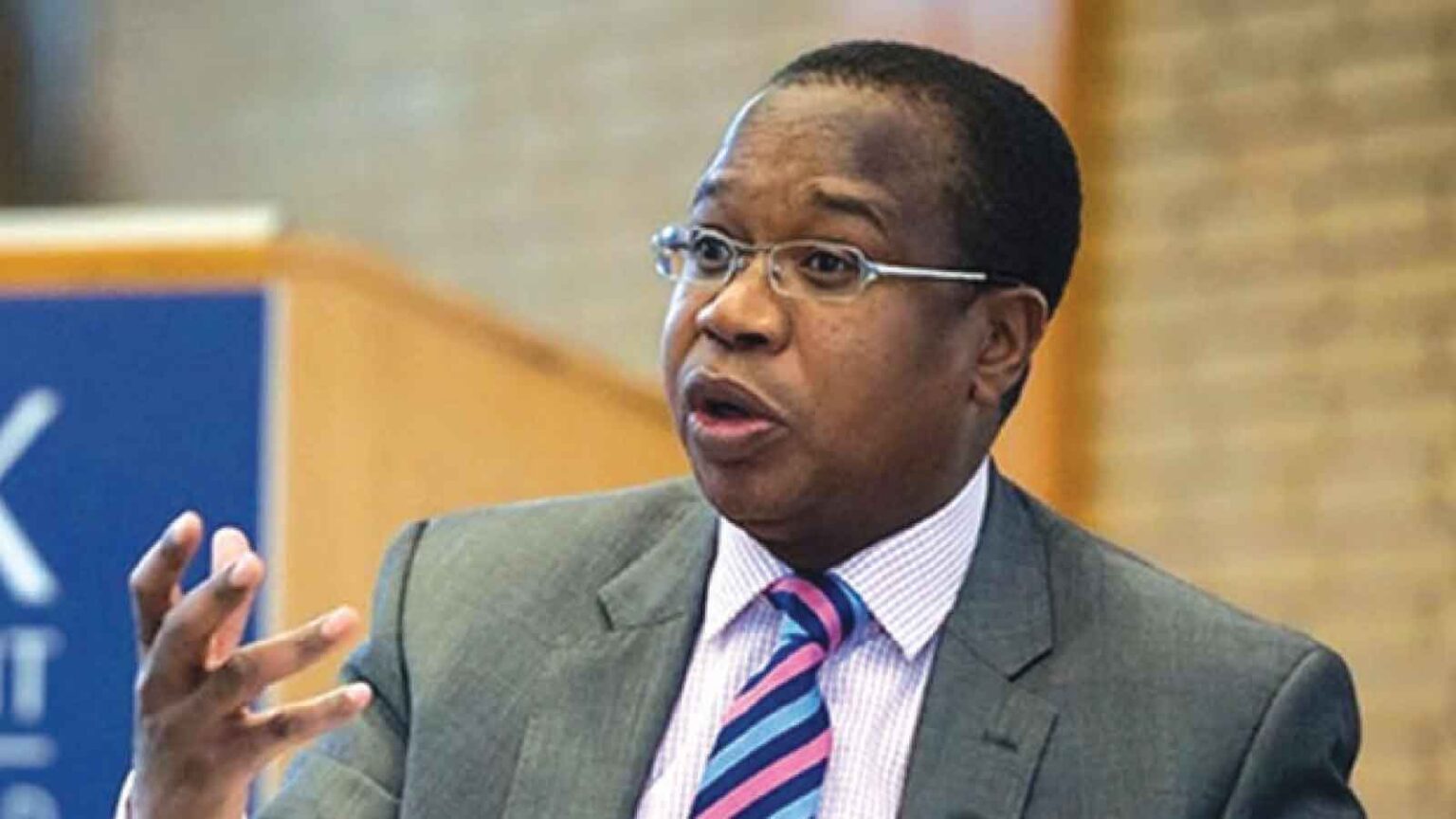
Mr Herbert Nkala
In a clear sign of distress, the group admitted it lacked sufficient liquidity to settle obligations as they fell due, resulting in delayed supplier payments.
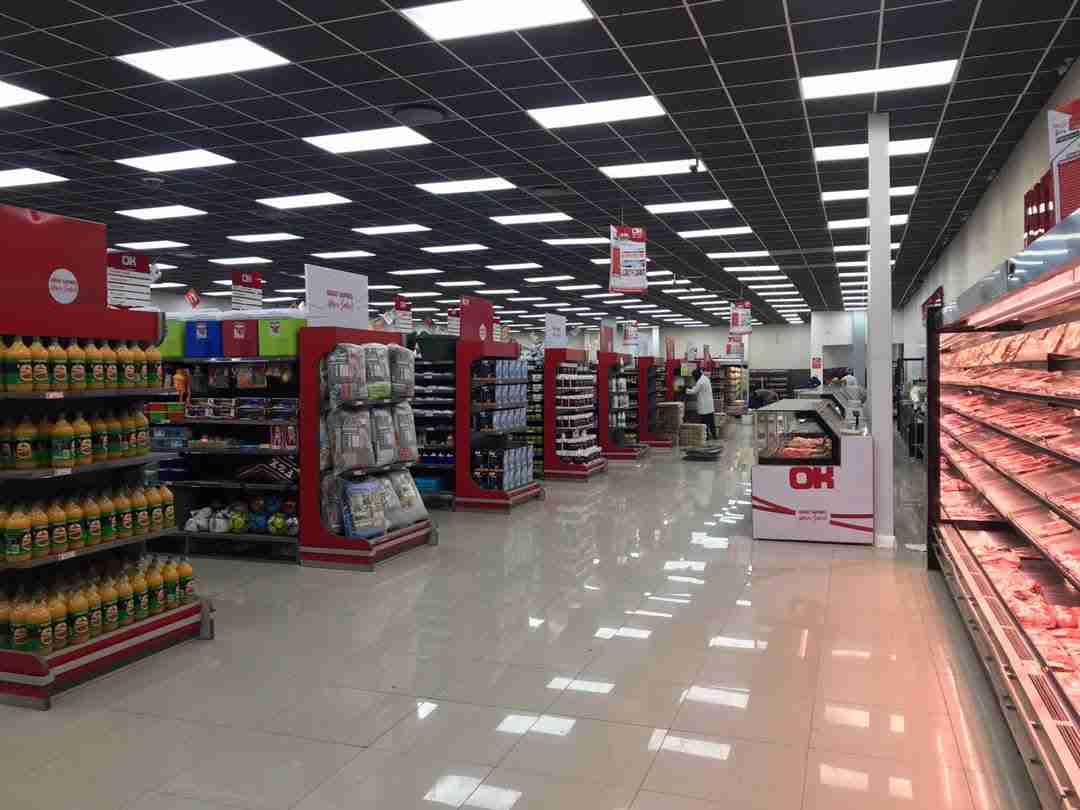
Against this backdrop, revenue collapsed to US$28,26 million, an 84,07 percent decline from US$177,43 million recorded in the same period last year. Sales volumes plunged by 82,68 percent, from 139,88 million units to just 24,23 million units, reflecting empty shelves, supplier disruptions and the closure of underperforming stores under a restructuring programme.
The sharp fall in turnover pushed the group from a US$3,71 million profit in the prior period into a deep loss, despite efforts to contain costs. Operating expenses declined year-on-year but remained disproportionately high relative to the reduced revenue base.
Employee benefits totalled US$9,51 million, while other operating expenses reached US$11,76 million. Utilities and backup power costs emerged as a major burden, climbing to US$5,30 million due to higher tariffs and heavy reliance on diesel generators amid prolonged power outages, further eroding margins.
Finance costs rose to US$2,10 million from US$1,65 million, reflecting the higher cost of short-term borrowings used to plug working capital gaps. Capital expenditure was cut sharply to US$760 000, mainly for the relocation of Bon Marché Chisipite and OK Makoni branches, with most planned projects deferred.
Chairman Mr Herbert Nkala said the results reflected an extremely challenging operating environment and a business focused on survival rather than growth.
“Limited working capital continued to restrict stock availability across all key categories, with supplier trading terms not yet allowing the business to rebuild inventories to required levels. Although engagements with suppliers have enabled the resumption of deliveries, stock cover remained below optimal levels and affected trading performance,” said Mr Nkala.
To address the liquidity crunch, the board approved a US$30.5 million funding plan, comprising a US$20 million renounceable rights issue and US$10.5 million from the sale of selected freehold properties. Shareholders approved the proposal at an extraordinary general meeting on 17 July 2025.
The rights issue was fully subscribed, raising the targeted US$20 million, but the process took longer than anticipated and was only finalised in August instead of May. In the intervening period, the group incurred additional liabilities, further swelling creditor balances.
The planned property disposals have also been slow to materialise, with the US$10.5 million component yet to be realised. Management said sale and purchase agreements for two properties were close to being signed, while offers on three others were under review.
Despite settling about 50 percent of legacy debt using proceeds from the capital raise, suppliers have yet to restore normal trading terms, continuing to limit stock availability across stores.
As part of the turnaround plan, OK Zimbabwe closed non-viable outlets, including Food Lover’s Market franchise stores, and now operates 62 strategically located stores. Management has intensified reviews of store profitability, staffing levels, rental commitments and internal processes to align costs with current trading conditions.
Workforce rationalisation was implemented during the period as the group sought to balance sustainability with the realities of a shrinking revenue base. No changes were made to the board, which remained actively involved in overseeing management’s response to the crisis.
In light of the loss, the board resolved not to declare a dividend for the half-year.
Mr Nkala said the board and shareholders remained supportive of the turnaround efforts, noting that progress on property disposals was critical to restoring liquidity, rebuilding inventory and stabilising operations.
“With disciplined implementation of the restructuring and execution of the turnaround plan, the Group remains positive about returning to a sustainable growth path in the medium term,” he said.-herald