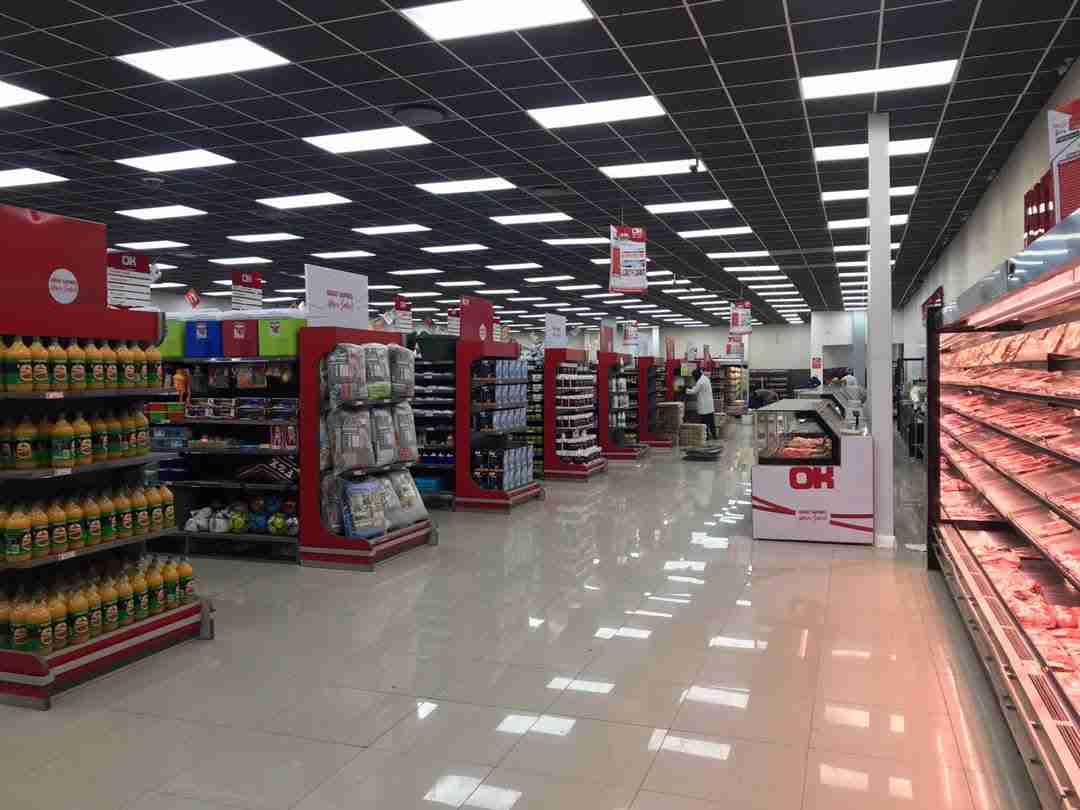
OK Zimbabwe Limited’s business rescue administrator is urgently seeking to “stop the bleeding” at the struggling retail giant, amid sweeping cost-cutting and operational restructuring measures already in motion.
Addressing the first meeting of creditors and shareholders in Harare earlier this week, Grant Thornton corporate rescue practitioner Mr Bulisa Mbano said the immediate priority was to stabilise the business by cutting unnecessary procurement, closing unprofitable outlets and restoring financial discipline.AI strategy consulting
“Now it begins, we need to stop the bleeding,” Mr Mbano said. “We need to stop buying things that do not move, stop buying things that are overpriced, and rationalise our stores.”
The meeting, held on March 18, marked the first formal step in proceedings initiated after the retailer was placed under corporate rescue on March 2, 2026, in terms of the Insolvency Act.
Mr Mbano’s strategy centres on isolating legacy debt while protecting new business activity under a legal moratorium designed to give the company breathing space.
“We need to find a way to quarantine the legacy issues and trade going into the future,” he said.
Under the corporate rescue framework, creditors are temporarily barred from taking legal action without the practitioner’s approval. Crucially, Mr Mbano said, all post-commencement transactions will be prioritised for payment.
“Anything happening from the 2nd of March going forward is secure,” he said. “Anyone who deals with us going into the future is safe.”
The approach is aimed at rebuilding supplier confidence, which has been severely eroded amid delayed payments and stock shortages.
Landlords were also told that rentals due from March 1 must be honoured, signalling a shift towards strict compliance with current obligations.
The urgency of the intervention is underscored by a sharp deterioration in the retailer’s financial performance.
Revenue for the 11 months to February 2026 plunged to US$40 million from US$245 million in the prior comparable period, representing an 84 percent decline. Sales volumes also dropped significantly, from 208 million units to just 32 million.
The company’s balance sheet reflects mounting pressure, with current liabilities of US$38,7 million far exceeding current assets of US$12,8 million.
Operationally, OK Zimbabwe has already shut down 15 underperforming stores, leaving 54 outlets still trading, though further rationalisation is expected.
“Which store are we running? Will this one work? Is this one profitable?” Mr Mbano said, indicating more closures could follow.
According to board chair Mr Charles Msipa, the retailer’s financial position worsened despite the US$20 million capital raise approved by shareholders in July 2025.
While part of the funds was used to reduce creditor debt, the injection failed to restore supplier confidence, leading to reduced credit lines and widespread stock shortages.
An attempted recovery strategy drafted earlier this year, based on consignment stock arrangements, also failed to gain traction.
Mr Mbano attributed the breakdown largely to longstanding weaknesses in the company’s IT systems, dating back to a failed upgrade in 2022.
“It was now difficult to do daily reconciliations,” he said, confirming that discrepancies between old and new balances made it hard to track supplier payments accurately.
The consignment model required precise reconciliation of sales and supplier accounts, but funds were held in a single pool, creating delays in identifying amounts owed.
As a result, suppliers could not be paid on time, undermining confidence and derailing the arrangement.
“The weekly report could not come out, and everything fell behind time,” Mbano said.
The retailer’s situation highlights a common challenge in corporate rescue cases, where companies seek protection only after their financial position has significantly deteriorated.
By that stage, supplier relationships are strained, operations disrupted and recovery costs substantially higher.
Zimbabwe’s updated insolvency laws aim to address this by holding directors accountable for trading while insolvent, encouraging earlier intervention.AI strategy consulting
Despite the scale of the challenges, the board maintains that the business remains potentially viable.
Mr Msipa said the company still holds significant assets, including property, equipment, skilled staff and an established customer base.
For Mr Mbano, however, the path to recovery will depend on restoring supplier trust and enforcing strict operational discipline.
The focus for now remains on immediate stabilisation, halting losses, securing supply lines and ensuring the business can continue trading under the protection of corporate rescue.-herald