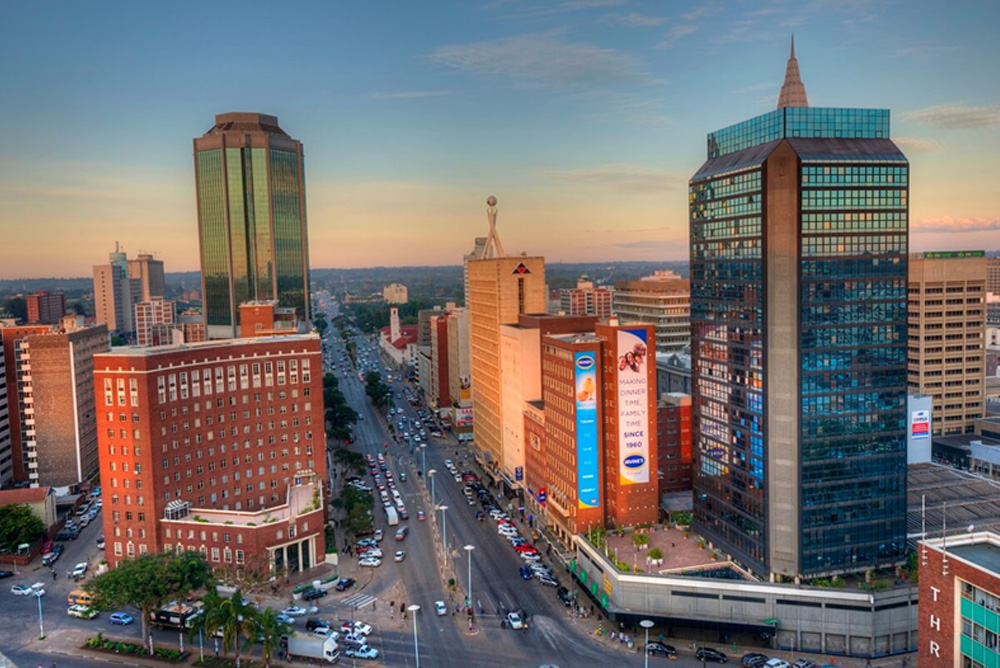
Harare’s central business district continues to experience pressure in the office property segment as companies reassess their space requirements, driven by cost containment, hybrid work models and shifting operational priorities.
Several multi-storey office blocks along Samora Machel Avenue, Nelson Mandela Avenue and Jason Moyo Avenue are recording elevated vacancy levels, particularly in older buildings that struggle with parking constraints, ageing utilities and inconsistent power supply.
According to Tawanda Moyo, a senior commercial property consultant at PrimeSpace Realty, many firms are choosing to retain a CBD presence, but on a much smaller scale.
“Companies are not abandoning the CBD entirely, but they are taking fewer floors, renegotiating leases or moving into shared spaces to reduce overheads,” Mr Moyo said.
He noted that professional service firms and non-governmental organisations remain among the CBD’s most consistent tenants, though even these are increasingly cost-sensitive.
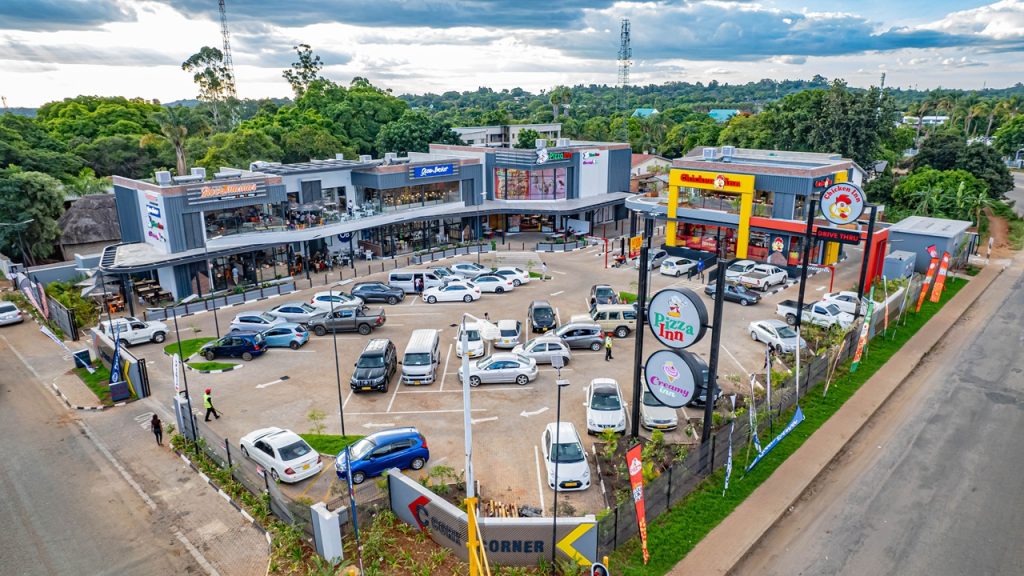
In contrast, suburban office nodes such as Borrowdale, Highlands, Eastlea and Mount Pleasant are showing greater resilience, supported by better parking, proximity to residential areas and improved access to reliable utilities.
Modern office parks along Borrowdale Road, ED Mnangagwa Road and Glenara Avenue continue to attract financial services firms, consultancies and technology-driven businesses seeking flexible layouts and easier client access.
Ms Rudo Chikowore, an estate agent specialising in suburban commercial property, said demand is increasingly driven by functionality rather than prestige.
“Tenants want reliable power, water, secure parking and shorter commute times for staff. Suburban offices tick more of those boxes than older CBD buildings,” she said.
Rental levels in prime suburban nodes have remained relatively stable, with landlords focusing on occupancy and longer-term tenant relationships rather than aggressive rent increases.
Hybrid working arrangements have fundamentally altered how businesses use office space, reducing demand for large individual offices, while increasing interest in collaborative areas and meeting facilities.
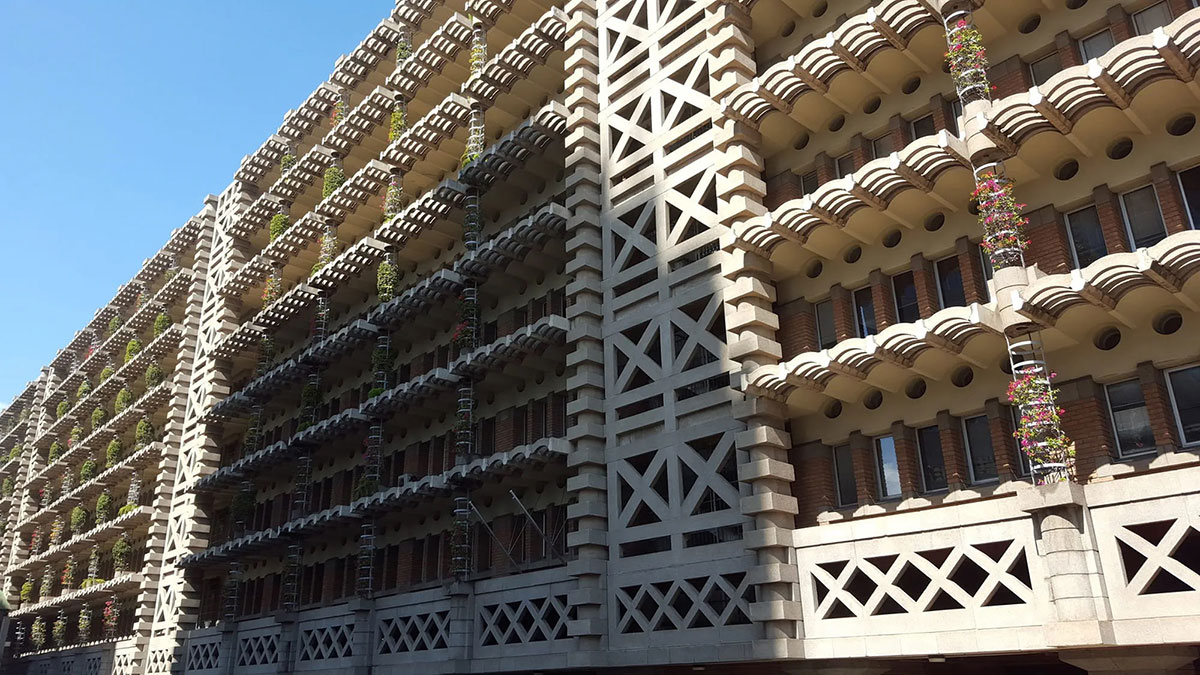
This trend has disproportionately affected traditional CBD layouts, many of which require costly refurbishment to meet modern tenant expectations. As a result, landlords are offering incentives such as flexible lease terms, fit-out contributions and rent-free periods.
Economist Farai Ndlovu said the shift reflects structural change rather than temporary weakness. “The office market is adjusting to new ways of working. Demand is becoming more selective, favouring quality, location and efficiency over sheer size,” Mr Ndlovu said.
With vacancies persisting, some CBD property owners are exploring conversions into student accommodation, residential units, or mixed-use developments, particularly near transport hubs and educational institutions.
Urban development consultant Lynette Chaminuka said such projects could complement Government-led urban renewal initiatives if supported by streamlined approvals.
“Selective conversions could revitalise parts of the CBD, while easing pressure on housing demand. Policy coordination will be key to unlocking that potential,” she said.
However, high refurbishment costs and limited access to long-term financing remain significant constraints.
Looking ahead, analysts expect a selective recovery, with modern suburban offices and refurbished CBD buildings outperforming ageing stock. Serviced offices and flexible workspaces are also expected to gain traction as firms avoid long-term commitments.
Mr Moyo said recovery in the office market would closely follow broader economic trends.
“As business confidence improves and infrastructure upgrades take effect, demand for quality office space should strengthen gradually. This will be an adjustment phase, not a rebound,” he said.-herald