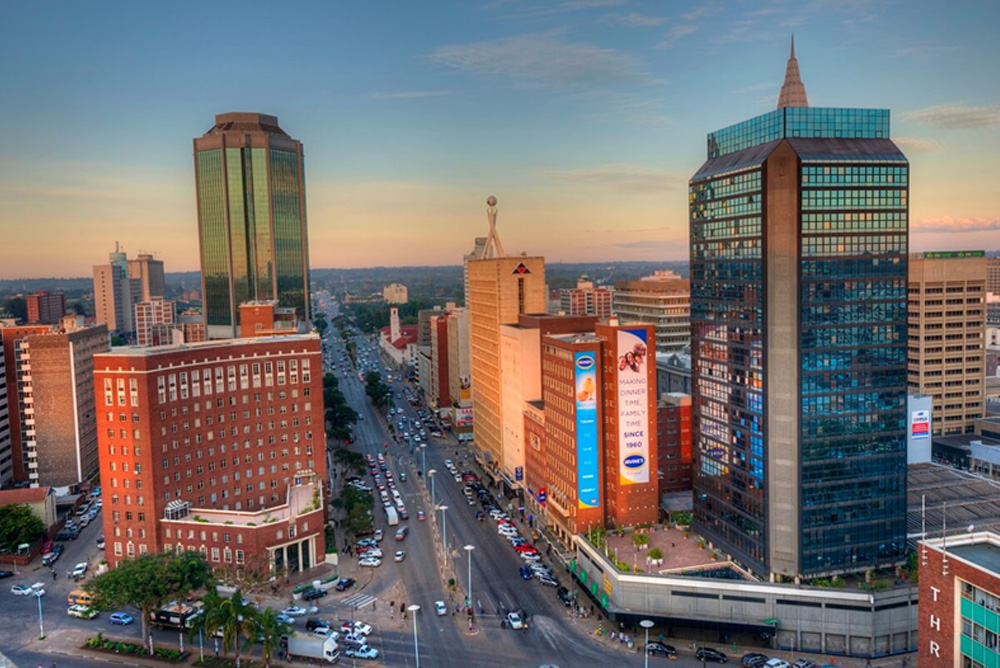
United Kingdom-based realtor Knight Frank says Zimbabwe’s office market is subdued, with vacancy rates hitting roughly 60% in Harare’s central business district (CBD) and 40% in Bulawayo, as businesses continue to relocate to suburban nodes amid persistent macroeconomic pressures.
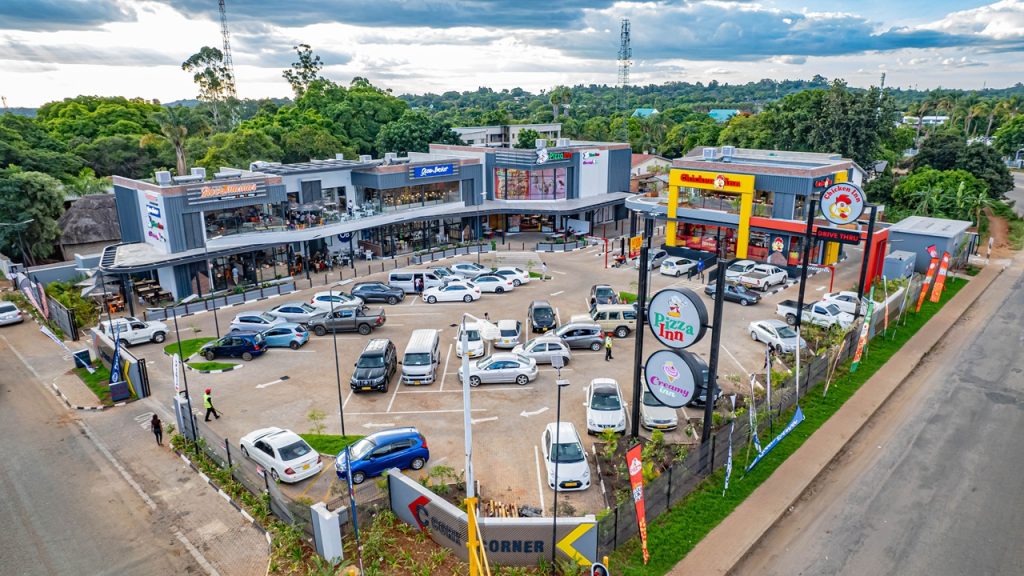
The shift from CBDs to suburbs is reshaping Zimbabwe’s commercial real estate landscape. While central locations struggle with high vacancies, rising rents, and deteriorating infrastructure, suburban nodes such as Newlands, Eastlea, Mt Pleasant, Milton Park and Belvedere are attracting companies seeking modern, flexible office space, better security, and shorter commutes, resulting in higher yields.
In its Africa Offices Market Dashboard H2 2025 report, Knight Frank said suburban office yields are averaging around 9%, outperforming CBD assets at 6% — below comparable markets in Zambia, Mozambique, and South Africa.
Companies are increasingly relocating to reduce travel time, avoid congestion and municipal fees, and embrace hybrid work-friendly layouts. Exchange rate volatility has also pushed some CBD landlords to hike rents, further limiting affordability.
“Zimbabwe’s office sector remains subdued, with overall market performance constrained by weak occupier demand, elevated vacancy levels, and persistent macroeconomic challenges. However, the period has marked an uptick in asset quality with the introduction of Harare’s first Grade A office developments,” Knight Frank said.
Financial institutions including Afreximbank, Stanbic Bank, First Capital Bank, Ecobank and CBZ Bank have completed upmarket offices with modern designs, flexible layouts, and sustainability features including solar power, boreholes, and improved natural lighting and ventilation.
Apart from Afreximbank’s Harare Trade Centre, which has 4 000 sqm available at US$30 per sqm per month, most new developments are for owner occupation, it said.
Despite these improvements, CBD pressure remains intense. Rising crime, poor infrastructure, and congestion have prompted some investors to exit central locations.
“Notwithstanding these improvements in asset quality, the broader office market remains under significant pressure. Vacancy rates are estimated at approximately 60% in Harare’s CBD and 40% in Bulawayo, reflecting prolonged demand weakness and a sustained decentralisation trend,” Knight Frank said.
“A growing number of multi-storey CBD office buildings are being offered for sale, indicating investor exit from central locations due to deteriorating infrastructure rising crime levels, and persistent congestion. Rental performance and investment metrics have remained largely stagnant.”
Analysts note that while the dominance of financial institutions enhances asset quality and stability, it may also narrow tenant diversity by focusing on premium, institutional-grade space over mixed-use or small-business occupancy.
This is because developments become geared toward premium office space and institutional-grade assets rather than mixed-use, entrepreneurial, or small-business activity.
“The absence of business expansion, driven by suppressed consumer demand, currency and exchange rate volatility, elevated interest rates, and weak investor confidence, continues to limit rental growth and capital appreciation,” Knight Frank said.
“Elsewhere, suburban office nodes continue to outperform the CBD, benefiting from improved security, better infrastructure, and lower congestion, which support higher rents and stronger yields relative to central locations.”
In a recent update, Tigere Property Fund noted that the property sector grew by approximately 5% in 2025, driven by factors including urbanisation, residential housing demand, rising diaspora investment, and infrastructure development.
“We also take note of significant foreign currency receipts filtering through various avenues such as mining, agriculture and remittances which have all combined to support demand and price stimulation within the sector,” Tigere said.
“Office and retail properties have performed well along attractive suburban nodes, while the CBD remains dominated by informal trade and high formal vacancies.-newsda