TIGHTER regulations introduced recently to improve oversight of Zimbabwe’s fast-growing digital financial ecosystem were long overdue, as they are crucial to protect consumers, financial analysts have said.
Banking sector experts said the regulatory framework was critical to safeguard financial sector stability and tighten controls against money laundering and terrorism financing in the country.
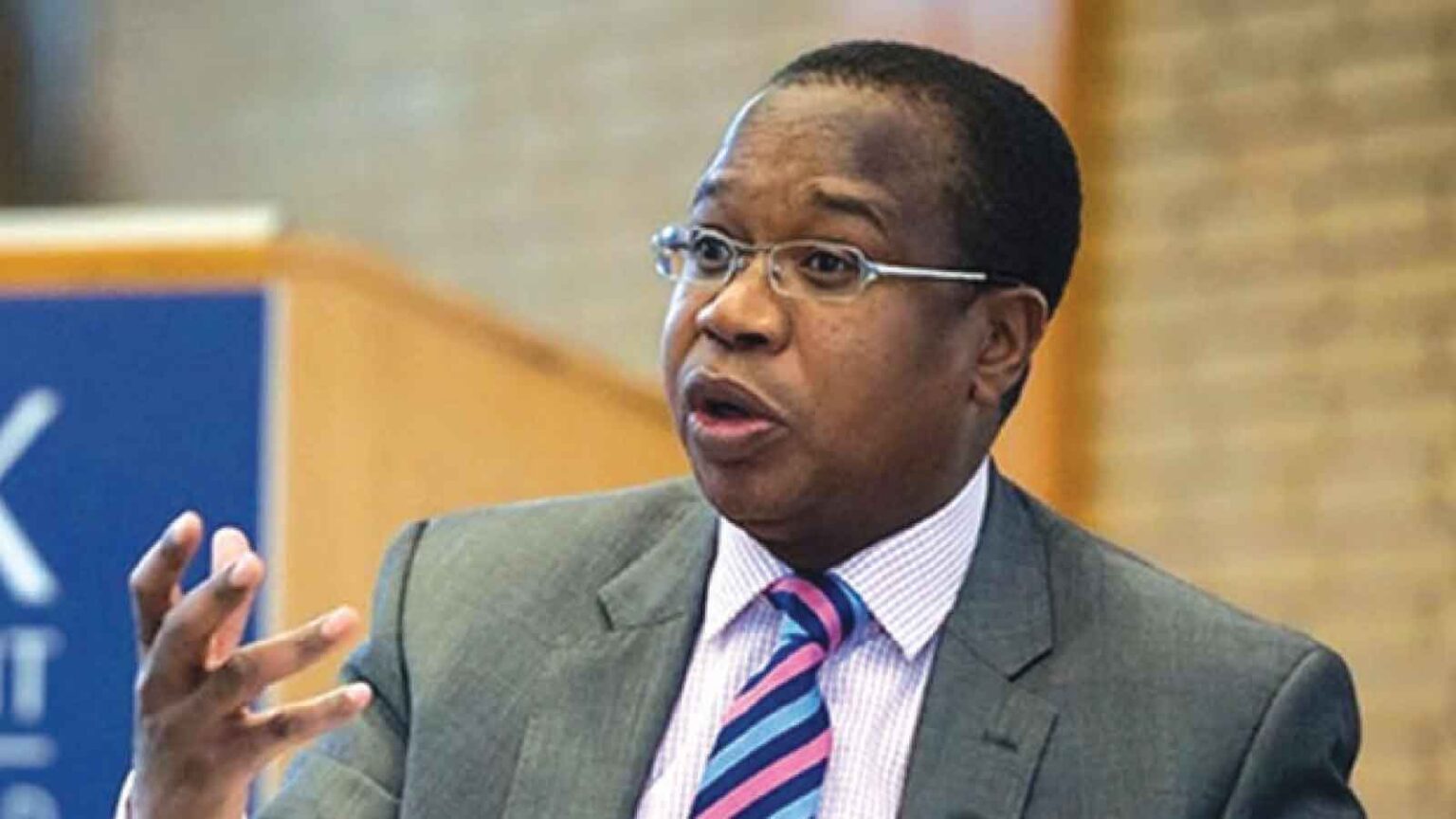
In the 2026 National Budget, Finance, Economic Development and Investment Promotion Minister, Professor Mthuli Ncube, said the rapid expansion of digital lending and mobile-based credit had brought both opportunity and risk, necessitating further regulatory interventions.
Over the past few years, digital lending platforms have expanded access to credit, especially for households and small businesses previously excluded from the formal banking system.
With mobile phone penetration rising rapidly and fintech innovation accelerating, digital credit has become a key driver of financial inclusion.
However, Minister Ncube cautioned that the digital financial sector’s growth had outpaced the existing regulatory framework.
“Without an appropriate regulatory framework, risks such as unethical lending practices, high transaction costs, cyber – attacks and potential over-indebtedness may arise,” he said. “These risks can undermine consumer trust and threaten financial stability.”
To address this, the Government is developing a comprehensive framework to regulate digital credit providers, ensuring responsible lending while supporting innovation.
The framework will set standards for transparency, consumer protection and data security, while aligning digital lending practices with broader financial sector regulations.
Local banker, Mr Raymond Madziva, said the move was long overdue, noting that the absence of regulation had created uneven practices Naacross the market.
“Digital credit has filled an important gap, but without oversight, it can easily become predatory,” said Mr Madziva. “A clear regulatory framework will protect borrowers, bring discipline to the market and ultimately strengthen confidence in digital financial services.”
He said that banks and fintechs alike would benefit from clearer rules, especially as traditional lenders increasingly partner with digital platforms to extend credit.
Alongside digital lending reforms, the 2026 National Budget places strong emphasis on measures to combat money laundering, terrorism financing and related financial crimes. Zimbabwe has intensified its efforts following the completion of its third National Risk Assessment (NRA) in 2025.
The assessment identified fraud, smuggling, tax evasion, illegal trading in precious minerals and drug trafficking as major sources of illicit financial flows. It also highlighted growing risks linked to virtual assets and other technology-driven financial products.
In response, the Government has adopted the Anti-Money Laundering and Counter Financing of Terrorism Strategy (2025–2029), which provides a coordinated framework for financial institutions, regulators, law enforcement agencies and designated non-financial businesses.-herald