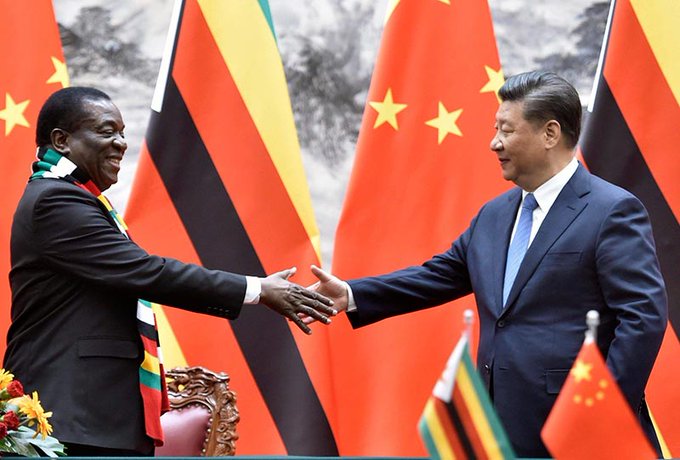
Zimbabwe stands at the threshold of a defining tourism era. Under President Mnangagwa`s Second Republic, the National Development Strategy 2 (NDS2, 2026-2030) positions tourism as a primary engine of economic transformation, targeting US$5 billion in annual receipts, 500 000 jobs and a globally recognised Brand Zimbabwe by 2030. Zimbabwe travel guide
This is not incremental progress; it is a deliberate, policy-driven renaissance.NDS2`s Five Tourism Brand Pillars
NDS2 articulates a coherent branding architecture anchored in five interconnected pillars: product diversification, digital connectivity, infrastructure modernisation, heritage valorisation and international marketing excellence.
Together, they define a Zimbabwe brand proposition that is authentic, competitive and scalable.
The appointment of Ms Barbara Rwodzi as Minister of Tourism and Hospitality, recently named Tourism Minister of the Year- Africa at the 2026 PATWA Awards at ITB Berlin, signals Zimbabwes arrival on the global stage. Her recognition in Forbes Magazine affirms that Zimbabwe`s brand is gaining real international traction.
These accolades are not symbolic; they are marketing capital that NDS2 must convert into measurable tourist arrivals.
Culture as a Competitive Brand Asset: Gwenyambira Samson Bvure .
Gwenyambira Samson Bvure stands as one of the towering figures in the global Mbira universe: a master whose artistry is matched only by his extraordinary generosity as a teacher and cultural custodian.
His legacy reaches far beyond Zimbabwe`s borders through one of the most remarkable cross-cultural mentorship stories in modern music history: the nurturing of Professor Yuji Matsuhiri of Japan, whom Bvure guided from a foundational student to a globally recognised academic scholar of Zimbabwean music and culture. Zimbabwe travel guide
This Japan-Zimbabwe relationship is not ceremonial. Bvure has hosted students from Tokyo University in numbers at his rural home in Chihota, transforming a quiet Mashonaland homestead into an international centre of cultural learning. Japanese students arrive seeking the source of the music that has captivated their academic lives and they depart as passionate advocates for Zimbabwe, carrying with them an emotional connection to the land, the people and the living tradition that produced the Mbira.
Each visit plants seeds: return journeys, referrals and the organic growth of a tourist community motivated not by safari packages, but by cultural pilgrimage.
Master Tute Chigamba: Master Tute Chigamba has constructed an entire highway across the United States of America.
His reach into American cultural life is staggering: Chigamba has taught the sacred art of Mbira across more than thirteen states, building the largest and most deeply-rooted community of Mbira practitioners outside of Zimbabwe anywhere in the world.
From Oregon to Washington, from university auditoriums to community cultural centres, the rhythms of the Shona have become part of America`s living musical landscape, and at the heart of that story stands Tute Chigamba.
His most enduring contribution to Zimbabwes global brand may be the mentorship of Professor Jennifer Kyker, whom Chigamba guided from her undergraduate studies all the way to a full professorship: an intellectual journey of extraordinary depth that has produced university courses, peer-reviewed academic literature and a generation of American students who study Zimbabwes culture with rigour and reverence. Professor Kyker`s work at various institutions of higher education, including the University of Washington, now creates a steady flow of academically-motivated visitors to Zimbabwe: scholars, graduate students, documentary researchers, and cultural enthusiasts whose interest in Zimbabwe is substantive and enduring rather than superficial. Zimbabwe travel guide
This is precisely the high-value, high-return tourist profile that NDS2 should aggressively court.
Academic tourists stay longer, spend more, engage more deeply with local communities and return repeatedly. They also publish, generating the kind of authentic international media coverage that no marketing campaigns can manufacture. Tute Chigamba, through a lifetime of teaching, has effectively been running Zimbabwe`s most successful American outreach programme without a government budget.
Amy & Mutamba: Mbira Spirits: In the vibrant, multicultural city of Vancouver, Canada, Amy and Mutamba, performing and teaching as Mbira Spirits, have established a thriving community of Zimbabwean cultural enthusiasts whose connection to Zimbabwe is genuine, passionate and commercially significant.
Their work in the Canadian market represents a model of diaspora-led tourism brand building that NDS2 must recognise and systematically support.
Every Mbira class Amy and Mutamba teach in Vancouver is, in the most direct sense, a marketing investment in Brand Zimbabwe. Their students do not merely learn finger positions on a thumb piano: they learn about Chihota, about the Shona cosmology embedded in Mbira music, about the ancestral ceremonies of the Zimbabwe plateau, about the landscapes and communities where this music emerged.
They receive, through music, a vivid and emotionally resonant introduction to Zimbabwe as a living place worth visiting, experiencing and understanding. Canada`s proximity to the United States and its large, globally mobile middle class make this community a particularly valuable source market for curated cultural tourism experiences. Zimbabwe travel guide
Learning from Global Brand Champions
NDS2`s tourism branding draws instructive lessons from three global exemplars. China grew from 10 million to 60 million annual arrivals through strategic UNESCO heritage promotion and aggressive digital marketing.
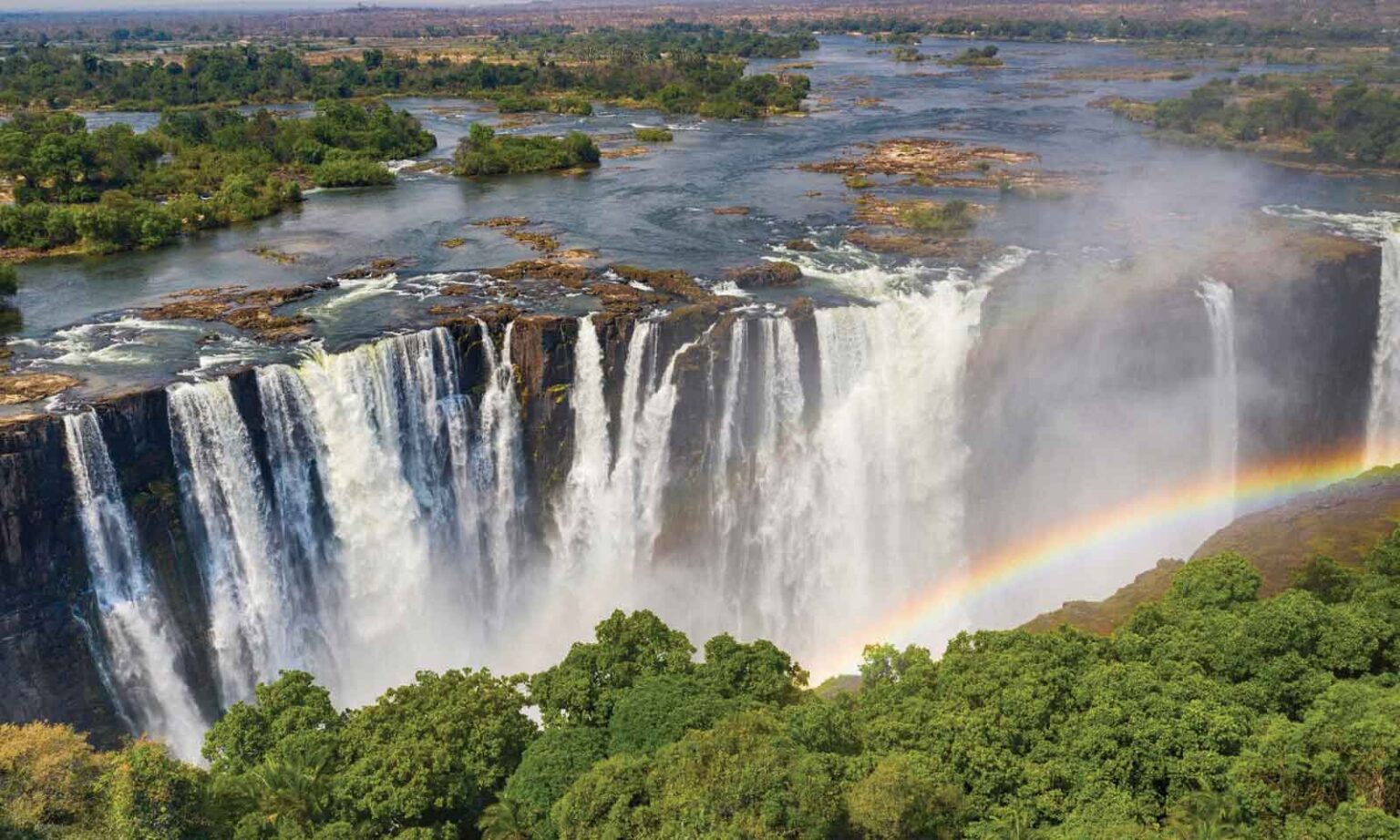
Similarly, Zimbabwe should monetise its UNESCO-listed Great Zimbabwe Monument and Mana Pools. Singapore, smaller than greater Harare, attracts 19 million tourists annually through ruthless experience curation, including UNESCO-recognised hawker culinary culture.
Zimbabwe should similarly formalise its artisan markets and gastronomic offerings at Victoria Falls and Great Zimbabwe. Japan`s ‘‘Cool Japan’’ strategy turned traditional arts and culinary culture into a USD 46 billion industry, investing heavily in cultural exchange programmes: precisely the model that Bvure and Chigamba have organically pioneered, and which NDS2 must now formalise and scale.
Infrastructure: The Brand`s Physical Foundation.
A brand is only credible when the visitor experience matches the promise. Victoria Falls International Airport`s expansion into a regional hub capable of handling wide-body aircraft, the modernisation of Beitbridge Border Post and the Kazungula Bridge, which connects Zimbabwe to Botswana, Zambia and Namibia within the UniVisa KAZA framework, are key investments in our brand.
Hwange National Park, home to Africa’s largest elephant population, is seeing renewed investment in eco-lodges. The Great Zimbabwe Monument is being repositioned as a heritage rival to Egypt`s ancient sites. These physical assets, well-presented and digitally marketed, translate brand narrative into bookings.
Conclusion
Zimbabwe`s tourism brand potential under NDS2 is not aspirational: it is structurally grounded. The nation possesses extraordinary wildlife, UNESCO heritage, vibrant living culture, breathtaking landscapes, and warm hospitality. What NDS2 provides is the strategic framework to convert these assets into consistent economic returns.
Minister Rwodzis international recognition, the First Ladys cultural advocacy, the global Mbira network`s diaspora reach, world-class infrastructure investment and lessons drawn from China, Singapore and Japan together constitute a tourism branding strategy of rare coherence.
Charles Mavhunga co-authored textbooks in Business Entrepreneurial Skills and is currently studying for a Ph.D. in Management at Bindura University. He can be contacted at charles.mavhunga@gmail.com. Cell:0772989816
By 2030, when Vision 2030`s upper-middle-income aspirations are realised, Brand Zimbabwe will have been built note by note: from the Mbira stages of Tokyo and Vancouver to the ancient stones of Great Zimbabwe. The Renaissance is not coming. It has already begun. Zimbabwe travel guide
Charles Mavhunga co-authored textbooks in Business Entrepreneurial Skills and is currently studying for a Ph.D. in Management at Bindura University. He can be contacted at charles.mavhunga@gmail.com. Cell:0772989816-herald