AS most parts of the country continue to receive good rains, the Government has rallied farmers to intensify planting and diversify their crops to ensure the country achieves a bumper harvest, capitalising on the projected favourable climatic conditions.
Farmers are already excited about the good rains received so far, which provide essential water for crops, replenishing vital water sources, promoting healthy soils for better yields and boosting pastures for livestock, thereby enabling planting, growth and improved food security.
Weather experts have projected that Zimbabwe’s 2025/2026 rainfall season will experience improved, normal to above-normal rainfall in line with the return of La Niña conditions.
This marks the second consecutive year of La Niña, potentially providing a fresh boost to Zimbabwe’s agriculture and energy sector.
Good rains in the 2024/2025 summer cropping season — also linked to La Niña — helped the country achieve a bumper harvest, with maize and traditional grain production in the last season exceeding national requirements.
In an update yesterday, Ministry of Lands, Agriculture, Fisheries, Water and Rural Development Permanent Secretary, Professor Obert Jiri, said farmers across the country were actively planting various crops, and encouraged them to make the most of the current rainfall to plant.
“A total of 15 949 127 Pfumvudza plots (178 percent), which is equivalent to 996 820 hectares, were prepared compared to 10 817 408 Pfumvudza plots prepared at the same time last year,” he said.
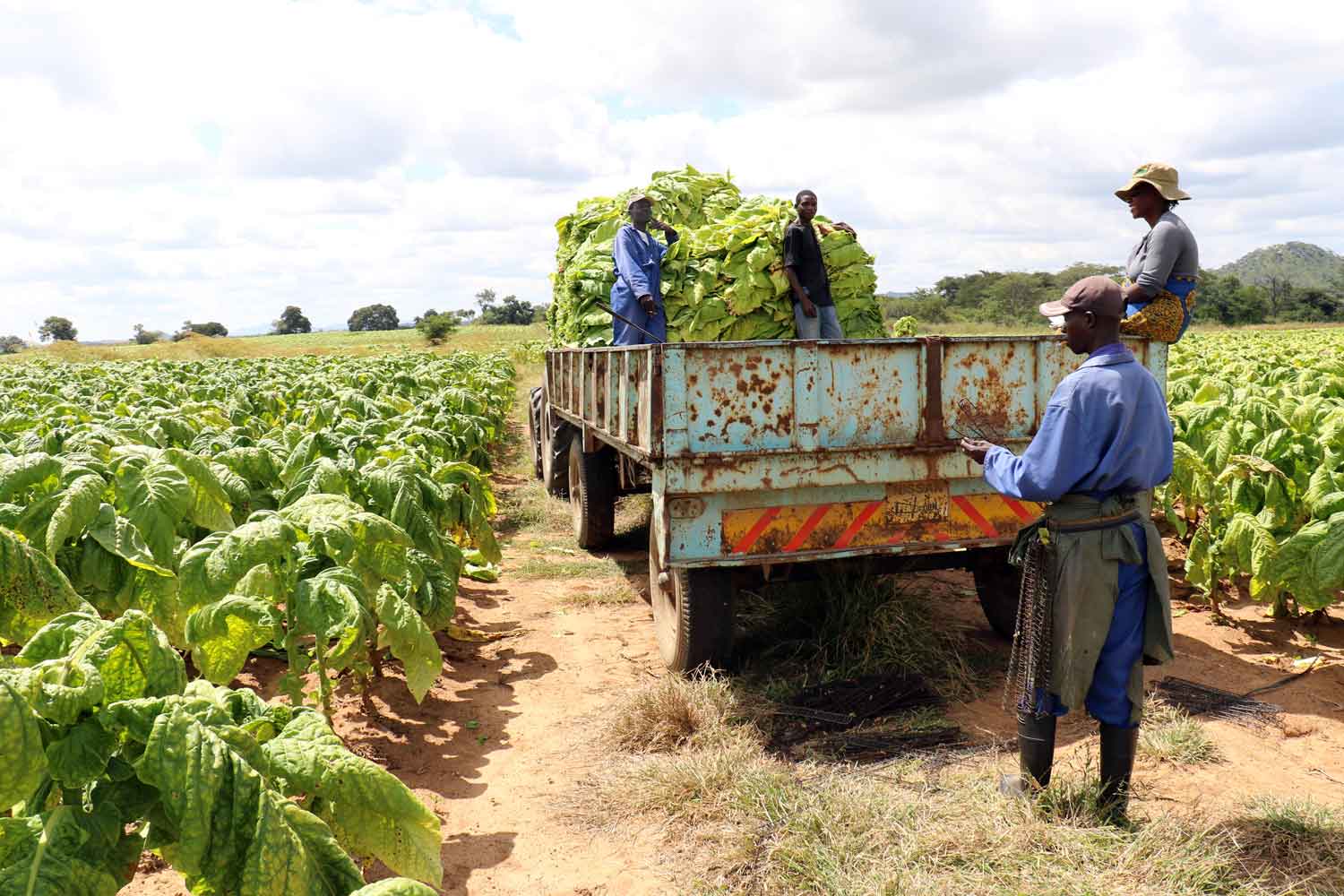
“Farmers are concentrating on planting and not much is being done on holing out. As of 17 December, the total tobacco area transplanted was 113 536 hectares compared to 93 281 hectares planted at the same time last year.
About 24 415 hectares of tobacco is under irrigation, while 89 121 hectares is under dryland.”
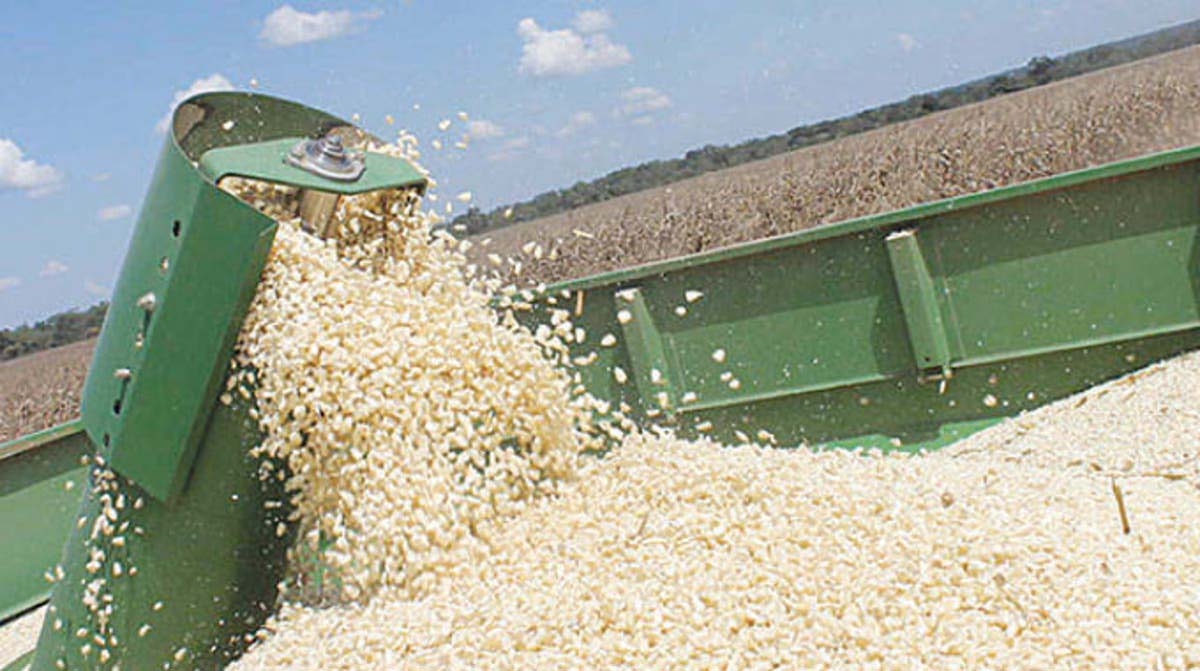
Prof Jiri said a total of 1 410 777 hectares of maize, 406 550 hectares of sorghum, 207 094 hectares of pearl millet, 33 411 hectares of soya bean and 26 498 hectares of sunflower have been planted to date across the country as of December 17.
On input supplies and deliveries so far, he said 8 305 metric tonnes of maize seed (118 percent), 4 385 metric tonnes of sorghum seed (89 percent), 270 metric tonnes of pearl millet seed (11 percent), 28 680 metric tonnes of comp D (48 percent) and 26 233 metric tonnes of top dressing (44 percent) have been delivered to Grain Marketing Board (GMB) depots nationally as of December 17, 2025.
Commenting on progress, Matabeleland North Agricultural and Rural Development Advisory Services Acting Provincial Director, Mr Mkhunjulelwa Ndlovu, said they are at 87 percent on average to meet their provincial cropping target.
“If the rains continue to flow, production and productivity will grow upwards. This includes both crop and livestock sectors in the province. Farmers have expressed optimism about the season, crediting the ongoing rains for the positive outlook,” he said.
A farmer in Umguza District, Mrs Sheila Moyo, said as a crop farmer, the continued good rains were a blessing essential for a bountiful harvest.
“As farmers, we view these rains as a direct answer to our prayers and a sign of divine provision, as water is critical for plant growth and food production. The reliance on timely rainfall is a central aspect of agriculture, especially in rain-fed areas,” she said.
“The appropriate amount of rain in the season is key to our agricultural success. A successful harvest directly translates to food for our families and communities, a critical aspect of survival and prosperity.”
Livestock specialist and farmer, Mr Mhlupheki Dube, acknowledged that the season was promising to be a good one.
“On a general scale, we are receiving rainfall across many regions. Here and there, probably we can get a few people indicating that maybe their places are dry, but on a general scale, I think we are receiving good rains,” he said.
Mr Dube said the country was poised to witness a significant organic growth in the national herd, with most livestock farmers having a lot of calves in their kraals.
“Animals go into heat when they are in good condition and they reproduce. So, almost every kraal has one or two, even three or four calves, because it was a good season. So, if we get another good season, it means even next year, we will have a lot of calves,” he added.
“That defines organic growth in terms of the herd and speaks to the national objectives, as frequently explained by the Ministry of Lands, Agriculture, Fisheries, Water and Rural Development, to increase the national herd from 5,7 million to around 12 million.”
Mr Dube said a good rainfall season also means that the pastures will be great as they continue to receive rains, while with good crop production, there will be a lot of cereal stover from the fields.
He said the cereal stover will be used to supplement animal feed during the dry season and the cost of stock feed will go down.
“A good rainfall season means good pastures as well as water availability for animals, while good grazing means a reduction and prevention of livestock poverty deaths,” said Mr Dube.
He called on farmers to ensure they manage their animal health properly for increased reproduction.-herald