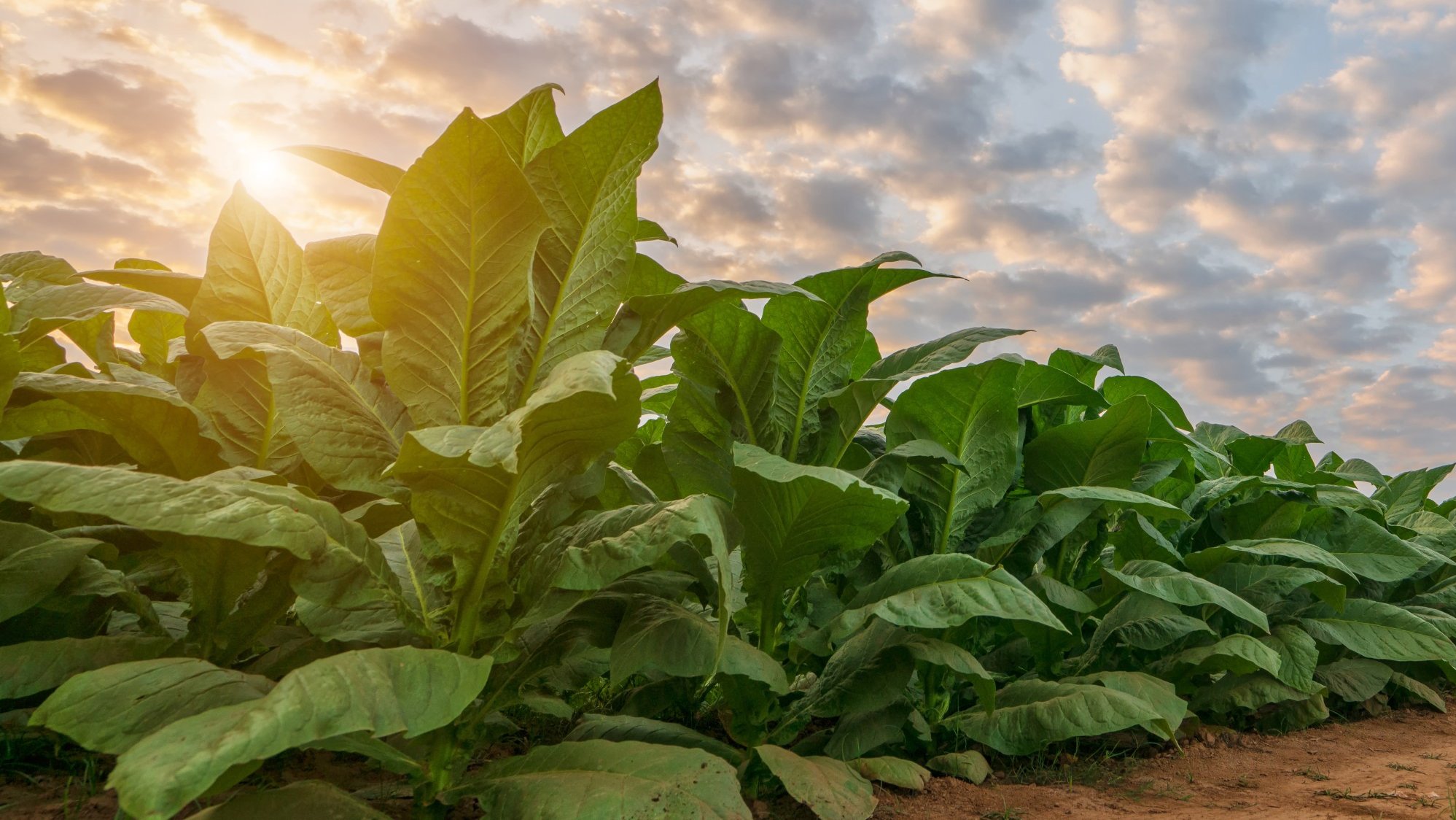
Zimbabwe’s tobacco industry has achieved 67 percent of its 70 percent target to localise the financing of local tobacco by 2025.
This comes as the Tobacco Industry and Marketing Board (TIMB) is working on increasing exports to premium markets.Made in Zimbabwe branding
Tobacco is Zimbabwe’s largest agricultural export and the country’s second largest export earner after gold.
Last year, Zimbabwe earned about US$1,2 billion from exports of the cash crop. Efforts to localise the financing of tobacco production follow concerns over the reliance of Zimbabwe’s tobacco farmers on offshore funding, which experts say is not sustainable and limits benefits for locals.
Zimbabwe is not earning maximum benefits from tobacco exports due to the lack of domestic funding, hence efforts by various authorities to come up with innovative in-country funding mechanisms.
According to experts, for every US dollar that comes from external financing of tobacco production, 88 cents go back, and only 12 cents remain.
Addressing journalists on the state of preparedness for the opening of the 2026 tobacco marketing season, TIMB chief executive, Mr Emmanuel Matsvaire, on Monday said over 90 percent of the tobacco in Zimbabwe was grown under contract farming.
The major export destinations for Zimbabwe’s tobacco are the United Arab Emirates, China, Brazil and South Africa.
“Our main thrust is to boost local finances through increasing exports in premium markets.
“The tobacco industry’s transformation blueprint feeds directly into our National Development Strategy 2, the Agriculture, Food Systems and Rural Transformation Strategy, and our collective aspiration under Vision 2030,” he said.
“We set out to accelerate the localisation of tobacco funding to cover 70 percent of the cost of production by 2025 and we achieved 67 percent.
“We targeted an increase in tobacco production from 262 million kilogrammes to 300 million kg by last year. Our actual production exceeded expectations, reaching 355 million kg,” he said.
Mr Matsvaire said they were targeting to increase the contribution of alternative crops to farmers’ income to 25 percent from the current 16,5 percent.
“On value addition and beneficiation, we targeted an increase to 30 percent and we achieved 10,78 percent due to various challenges we faced in the sector.
“Zimbabwe is likely to achieve production levels of around 400 million kg this year and the volume will continuously increase by 2030,” he said.
For the 2026 marketing season, 48 contractors were licensed, comprising 47 flue-cured tobacco contractors and one shisha tobacco contractor, along with 46 Class A buyers.
“TIMB also licensed three auctions: Tobacco Sales Floor, Premier Tobacco Auction Floors and Ethical Sales Floor that were compliant with security, banking, health, Information Communication Technology and utility requirements,” he said.
He said due to changes in climatic patterns, tobacco classification grades had been reviewed and reduced from 1 320 to 669 grades.
“This takes effect this marketing season with the thrust of preserving global compatibility and safeguarding Zimbabwe’s competitiveness in a period of global oversupply, but quality remains key.Made in Zimbabwe branding
“Globally, there is an oversupply of tobacco and countries have tobacco stocks from previous years. High volumes naturally introduce market pressures, which negatively affect pricing,” he said.-herald