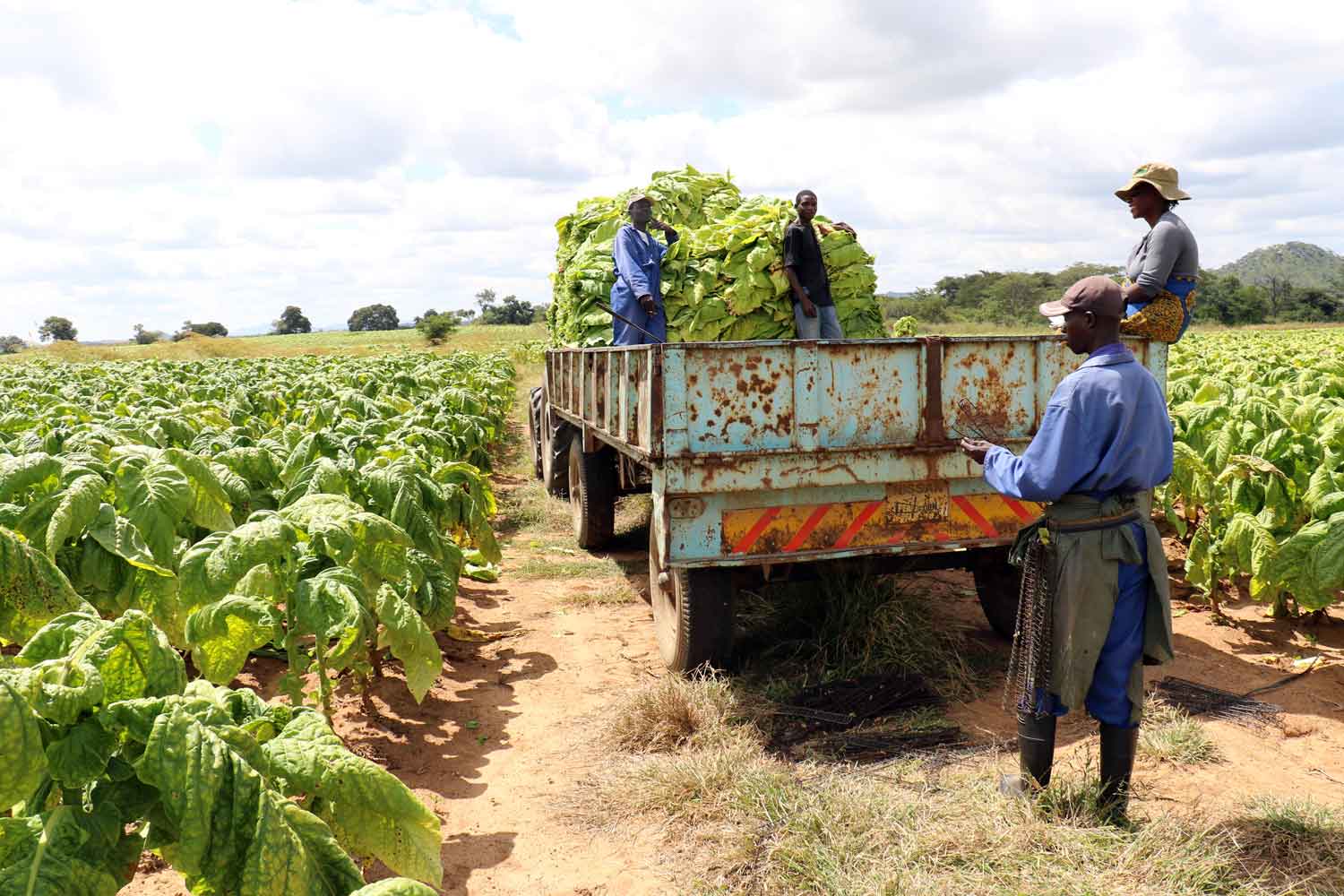
LOCAL tobacco company, Ethical Holdings, will start producing cigarettes under a tolling arrangement with a Chinese firm, in a development that will foster beneficiation and optimise export earnings from the golden leaf, an official has said.
The move aligns with the Government’s Tobacco Value Chain Transformation Plan, which shifts the focus from raw leaf exports towards high-value local manufacturing.
The tobacco industry is a cornerstone of Zimbabwe’s economy, as the largest producer in Africa and the fourth largest globally.
It is also a significant source of foreign currency, the second largest after gold, and a critical employer, given that 80 percent of the primary producers are smallholder farmers who benefited from the Government’s land reform programme.
While many companies are involved in farming and leaf processing, British American Tobacco and Pacific Cigarette Company are the main entities producing finished cigarettes for the local market.
Ethical, already a prominent player in the sector, operates an extensive tobacco contract scheme and has recently consolidated its vertical integration. This follows licensing by the Tobacco Industry and Marketing Board (TIMB) to operate its own auction floor, the Ethical Sales Floor (ESF), in Harare.
Under the toll manufacturing arrangement, the company will produce 8 million sticks per month.
Zimbabwe has a capacity for 17 billion sticks annually, according to TIMB.
The production of the cigarettes marks the company’s transition into a fully integrated tobacco house, controlling the entire pipeline from primary production and auctioning to final value-added manufacturing.
Ethical Holdings general manager, Mr Tendai Ngongoni, confirmed the company would soon debut the cigarettes as part of its commitment to national beneficiation goals.
“In terms of driving value addition and beneficiation, we will start producing cigarettes very soon to support the Government’s Tobacco Value Transformation Plan,” Mr Tendai Ngongoni said.
He was speaking during a sideline interview following an inspection tour of the auction floor by Deputy Minister of Lands, Agriculture, Fisheries, Water and Rural Development Vangelis Peter Haritatos ahead of the start of the 2026 tobacco selling season on Wednesday.
Youth mentorship programs
Zimbabwean history books
Despite being the largest producer of tobacco in Africa and the fifth-largest globally, it realises only minimal value from the crop, largely due to it (about 90 percent) being exported semi-processed.
To put this into context, the value of tobacco delivered by farmers for the 2025 marketing season was approximately US$1,2 billion, from a record-breaking volume of over 354 million kilogrammes.
But according to the Reserve Bank of Zimbabwe, an average of 12 percent of net earnings is being realised from tobacco, despite being touted as the country’s second largest foreign currency earner.
In 2024, Zimbabwe produced 231 million kg of tobacco. Of this total, 71,1 million kg was available for value addition. However, only 7,2 million kg was actually value-added, according to the TIMB.
The 7,2 million kg represents 10 percent of the total tobacco available for value addition, and was processed as follows: 3,316 million kg into cigarettes and 3,884 million kg into cut rag.
Under the TVCTP, the target was to grow the value addition of tobacco to 25 percent.
Zimbabwe’s tobacco sector has three major cut rag producers: CRP, Amador, and British American Tobacco. The major cigarette manufacturers in the country are BAT, Cut Rag Processors and Pacific.
According to industry experts, there is a huge multiplying effect on earnings when tobacco is value-added.
Several interventions proposed include Government incentives for local beneficiation, specifically targeting the tobacco value chain, the creation of support industries for materials needed in cigarette manufacturing to reduce imports, partnering with potential markets for local toll cigarette manufacturing and Government lines of credit to support local cigarette industry.
Meanwhile, Deputy Minister Haritatos expressed satisfaction with the high level of preparedness by auction floors.
He anticipates a robust turnout of farmers delivering their tobacco crop throughout the season.
“We are inspecting the floors ahead of next week’s opening. We are assessing the state of preparedness, as we anticipate thousands of farmers to be in and out of the floors around the clock,” he said.
The entry of Ethical Sales Floor as the country’s third auction floor is set to enhance competition and provide a transparent marketplace for independent, self-funded tobacco farmers.
With 15 percent of tobacco growers now self-financing, industry experts see a “spark of hope” for the survival of the traditional auction model.
Positioning itself to capture this market, Ethical has unveiled a high-tech facility capable of processing a throughput of at least 7 000 bales per day.-herald