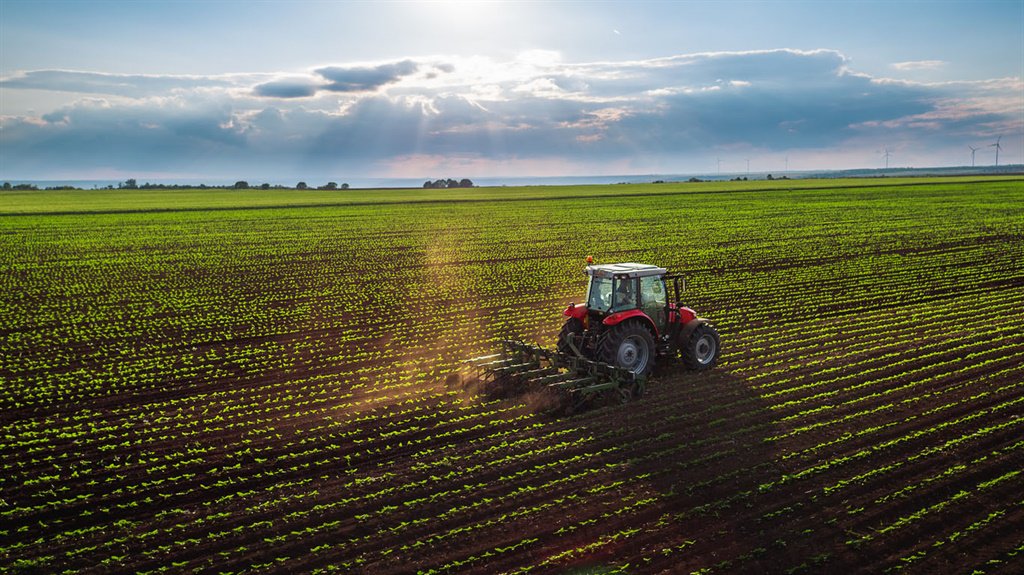
FARMERS have emerged as major beneficiaries of the national collateral registry system, with the platform proving to be a game-changer for those who previously struggled to access bank loans due to a lack of traditional collateral.
Since its inception, the registry has enabled farmers to pledge movable assets — including livestock such as cattle and goats, farming equipment, vehicles and harvested crops — to secure the loans they need to finance their operations.
Reserve Bank of Zimbabwe (RBZ) Deputy Governor Dr Jesimen Chipika said the system is beginning to deliver the rural-focused financial inclusion the country has long targeted.
Reserve Bank Of Zimbabwe
“For years, farmers were excluded from productive lending because they did not have title deeds. The collateral registry is correcting that historical imbalance. Now, a farmer’s livestock, equipment or harvest is recognised as bankable security,” she said.
Dr Chipika noted that the registry has helped farmers unlock working capital for inputs, mechanisation and expansion at a time when agriculture remains central to Zimbabwe’s economic transformation and rural livelihoods.
She added that the platform supports the national goal of building resilient, sustainable rural economies under the National Development Strategy (NDS1 and NDS2).
“Our data show that farmers are actively using the system. The benefits are real — improved access to credit, better financial discipline and stronger integration of rural communities into the formal economy,” Dr Chipika said.
According to the RBZ’s latest financial inclusion review, the collateral registry recorded strong participation from agricultural borrowers as at September 30, 2025. Farmers pledged a wide range of movable assets, with livestock, tractors, ploughs, irrigation equipment and harvested commodities dominating registrations.
The registry has also supported smallholder and emerging farmers who previously relied on informal lenders and high-cost borrowing. This shift, analysts say, is beginning to reduce the cost of capital in rural districts while widening the pool of creditworthy borrowers for banks and microfinance institutions.
Economist Gladys Shumbambiri-Mutsopotsi said the system is critical for addressing rural finance gaps that have long undermined productivity.
“This platform is finally giving farmers dignity in the credit market. A cow, a tractor or a maize crop has economic value, and the registry ensures that value is formally recognised,” she said.
She added that the development is not only strengthening agricultural financing but helping to stabilise rural incomes.
“When farmers can borrow formally, they can plan better, invest better and produce better. That is how you build resilient rural economies,” she said.
Beyond agriculture, the Collateral Registry is also supporting lending to other sectors, including small businesses, traders, youth-owned enterprises and women-led MSMEs. As at September 2025, 11,96 percent of loans registered were extended to youth, while women-owned entities accounted for 7,6 percent of all collateral-backed loans.
MSMEs represented 5,45 percent of the registered loans — a figure the central bank expects to rise as awareness increases.
The RBZ says the system improves transparency in the lending ecosystem by allowing financial institutions to check whether assets have been pledged elsewhere, reducing the risk of double pledging and fraud. This has boosted lender confidence and encouraged banks to design new products suitable for rural and small-scale borrowers.
Movable collateral registries are widely recognised globally as effective tools for stimulating credit growth in developing economies. For Zimbabwe, the platform is also aligned with the Financial Inclusion Strategy II (2022–2026), which focuses on deepening usage of financial services and empowering underserved groups.
Dr Chipika, whose presentation highlighted the importance of innovation in financial inclusion, said the registry is evidence of how digital systems can support inclusive growth.
“We are using innovation to solve long-standing structural barriers in the financial sector. The registry is one of several tools helping Zimbabwe move from access, to usage, and now towards impact,” she said.
She emphasised that as the country prepares for the National Financial Inclusion Strategy III, strengthening rural finance and improving productive lending will remain priorities. Sustained financial literacy in farming communities, particularly regarding credit management and asset registration, will be essential for deepening uptake.
In recent outreach programmes, the RBZ observed that low financial literacy continues to limit the full benefits of the registry, especially in remote areas. The central bank has since directed banks and microfinance institutions to intensify financial education targeted at rural and agricultural borrowers.
Ms Shumbambiri-Mutsopotsi agreed, noting that awareness gaps still exist.
“Many farmers do not know that their goats or their grinding mill can unlock capital. Education is therefore as important as the platform itself,” she said.
With agriculture employing the majority of Zimbabweans and driving national food security, the collateral registry system is seen as a critical lever for broad-based economic growth.
As more farmers register their assets and gain access to affordable credit, the system is expected to accelerate rural development, expand agricultural output and strengthen the country’s financial inclusion agenda.-herald