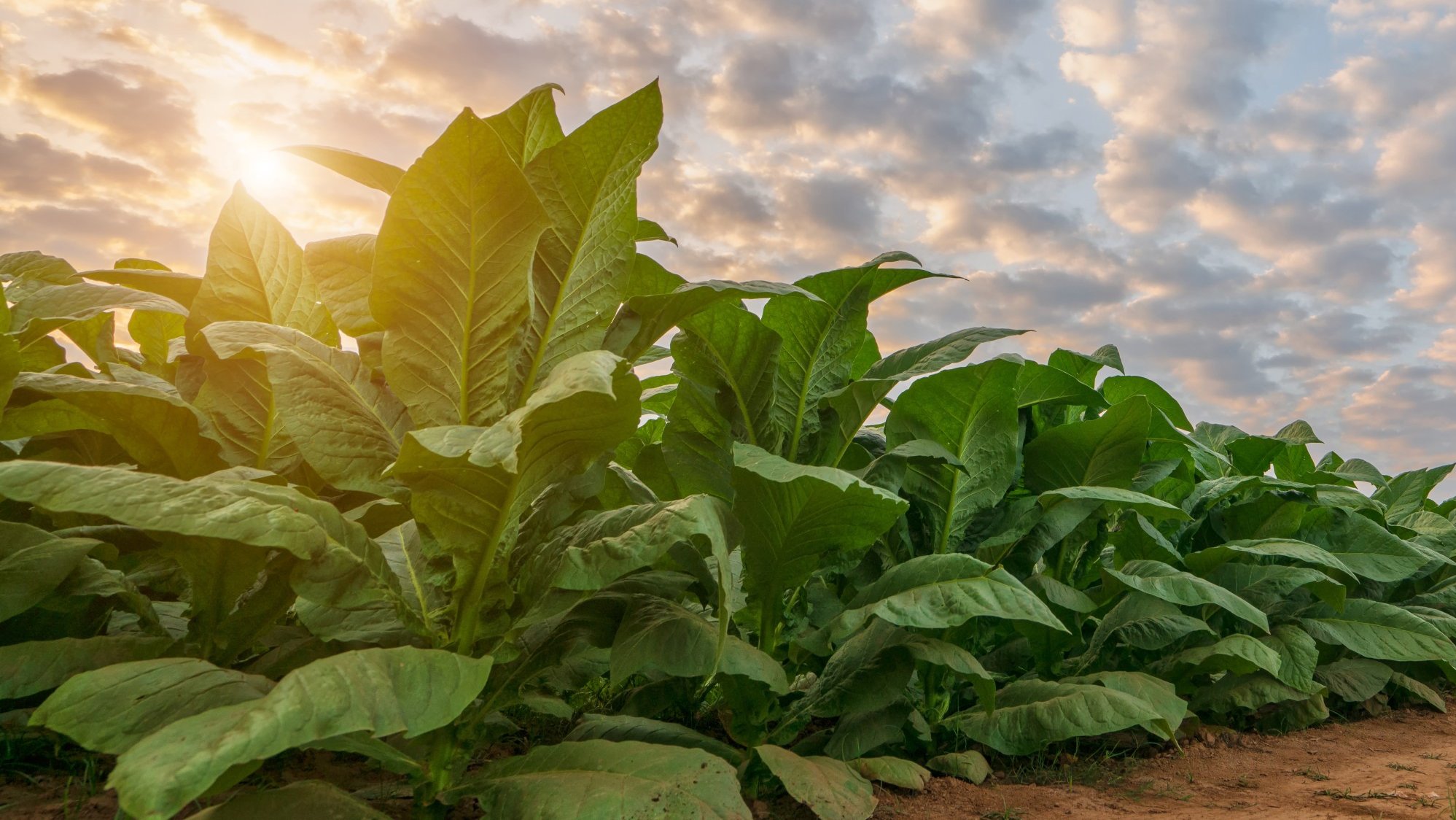
As of October 10, 2025, Manicaland had the largest area under the irrigated crop, with farmers having planted 8 507 hectares of tobacco, a 33 percent increase from the 6 391 hectares planted during the same period last year
Business Reporter
The 2025/26 season has seen a surge in the area under irrigated tobacco to 24 000 hectares from 19 700 ha last season, latest data from the Tobacco Industry and Marketing Board (TIMB) show.
The surge in irrigation has helped push the total planted area to 113 536 hectares, a 21,7 percent increase from the 93 281 hectares planted last year.
The growth comes despite a 19,3 percent decline in the number of registered farmers, which dropped to 101 443 from 125 661 in the prior cycle.
Contract farming remains the dominant model, accounting for 85 855 hectares or about 75,6 percent of the total planted area.
The remaining 24,4 percent of the crop is being financed through a combination of bank loans and self-funding.
Notably, 15 percent of growers are self-financed, or through bank loans, a figure that industry experts say provides a “spark of hope” for the survival of the country’s traditional auction system.
Mashonaland Central provinces maintain their status as the country’s tobacco powerhouse, leading in grower numbers. It is followed by Mashonaland West, Manicaland, and Mashonaland East.
In terms of farmer demographics, the industry remains heavily reliant on smallholder participation following the land reform programme. Communal farmers constitute the largest percentage of the total farming population.
They are followed by A1 farmers (resettled smallholders), small-scale commercial farmers, and A2 farmers (large-scale commercial growers).
Tobacco is Zimbabwe’s single largest agricultural export and the second-largest earner of foreign currency after gold.
Historically, the industry was dominated by a small number of large-scale commercial farmers before the Land Reform Programme in 2000.
Currently, the “golden leaf” is produced by over 100 000 farmers, the vast majority of whom are smallholders on communal and resettled land.
The industry operates under a dual marketing system consisting of the auction system and the contract system.
Output in Zimbabwe’s tobacco sector is set to climb to 400 million kg this year, up from 354 million kg in the previous cycle.
Tobacco exports as of mid-December 2025 reached US$1,36 billion, maintaining the golden leaf as the country’s premier agricultural foreign currency earner despite a slight 0,7 percent dip from a year earlier.
While traditional Asian markets cooled, a massive surge in European demand and steady growth within Africa helped offset the overall decline.
The European union emerged as the standout growth market this season, with export values skyrocketing by 64,5 percent. Total earnings from the bloc rose to US$169,6 million from $103,1 million.
The surge reflects a growing preference for Zimbabwe’s high-quality, flue-cured Virginia leaf among continental manufacturers.
The Far East, dominated by China, remains Zimbabwe’s largest customer with revenue falling from US$953,2 million to $819,3 million. Despite the 14 percent drop, the Far East still accounts for 60 percent of total tobacco export value.-herald