The Horticulture Development Council has welcomed the 2026 Monetary Policy Statement’s focus on entrenching economic stability, but expressed reservations over the export surrender threshold.
The 30 percent export surrender requirement is a key monetary policy tool used by the Reserve Bank of Zimbabwe (RBZ) to manage foreign currency liquidity and support the local currency
It is the primary source of foreign currency that the central bank requires to mobiles resources to back the local currency and also intervene in the foreign currency market to support key sectors of the economy.
While important for the national treasury, this policy has been criticised by exporters as “punitive” as it forces them to convert a significant portion of their earnings into local currency at the official rate, causing them to lose out on the higher rates available on the informal market.
To ease the burden on exporters, the RBZ introduced a facility allowing them to invest the surrender proceeds into a US Dollar Denominated Deposit Facility (USDDDF), which can later be withdrawn in local currency (ZiG) at the prevailing interbank rate.
The 30 percent export surrender threshold applies to all exporters in the country except small-scale gold miners, who were previously exempted but will not liquidate 10 percent of their proceeds. In a statement responding to the 2026 Monetary Policy by the Reserve Bank of Zimbabwe (RBZ) on Thursday, HDC acknowledged the central bank’s tight monetary stance.
It noted that the policy prioritises exchange rate stability, reserve money targeting, liquidity containment and strengthening the foreign exchange market.HDC said these measures are important in anchoring macroeconomic stability and controlling inflation.
The council, however, warned that the continued 30 percent surrender requirement on export earnings remains a major constraint for horticultural exporters.
HDC has repeatedly called for a downward review of the foreign currency retention ratio from 70 percent to stimulate the growth of the sector.
According to HDC, the move will allow the expansion of the sector to expand into a robust US$2 billion sector by 2030, highlighting the importance of effective policy frameworks in maximising agribusiness opportunities.
“The Horticulture Development Council (HDC) notes that the 2026 Monetary Policy Statement by the Reserve Bank of Zimbabwe maintains a tight monetary stance focused on exchange rate stability, reserve money targeting, liquidity containment and strengthening the structured foreign exchange market.
“However, the continued retention of the 30 percent compulsory liquidation requirement on export proceeds remains a serious concern for the horticulture sector. “Coming on the back of additional fiscal measures introduced after the 2026 Budget, including higher compliance costs and tax adjustments, the cumulative impact is placing significant pressure on exporter margins,” HDC said.
Under the current framework, exporters are required to liquidate 30 percent of their foreign currency earnings for the ZiG equivalent, a requirement authorities argue is necessary to support foreign exchange liquidity and exchange rate stability.
But HDC claims the measure reduces working capital available to producers, limits reinvestment capacity and weakens competitiveness in highly contested global fresh produce markets.
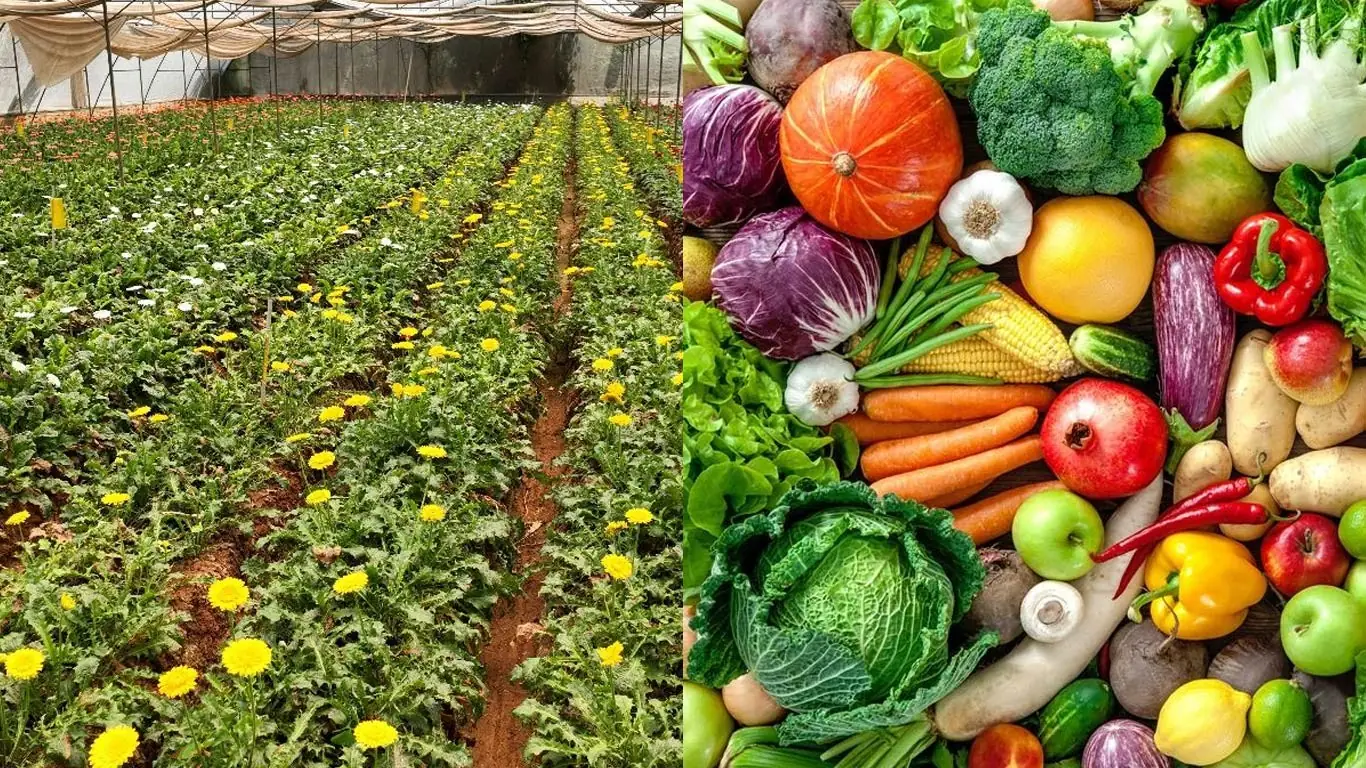
Zimbabwe’s horticulture sector, which includes fresh flowers, fruits and vegetables, is capital-intensive and heavily reliant on foreign currency for inputs such as seed, fertiliser, packaging, freight and specialised equipment.-herald