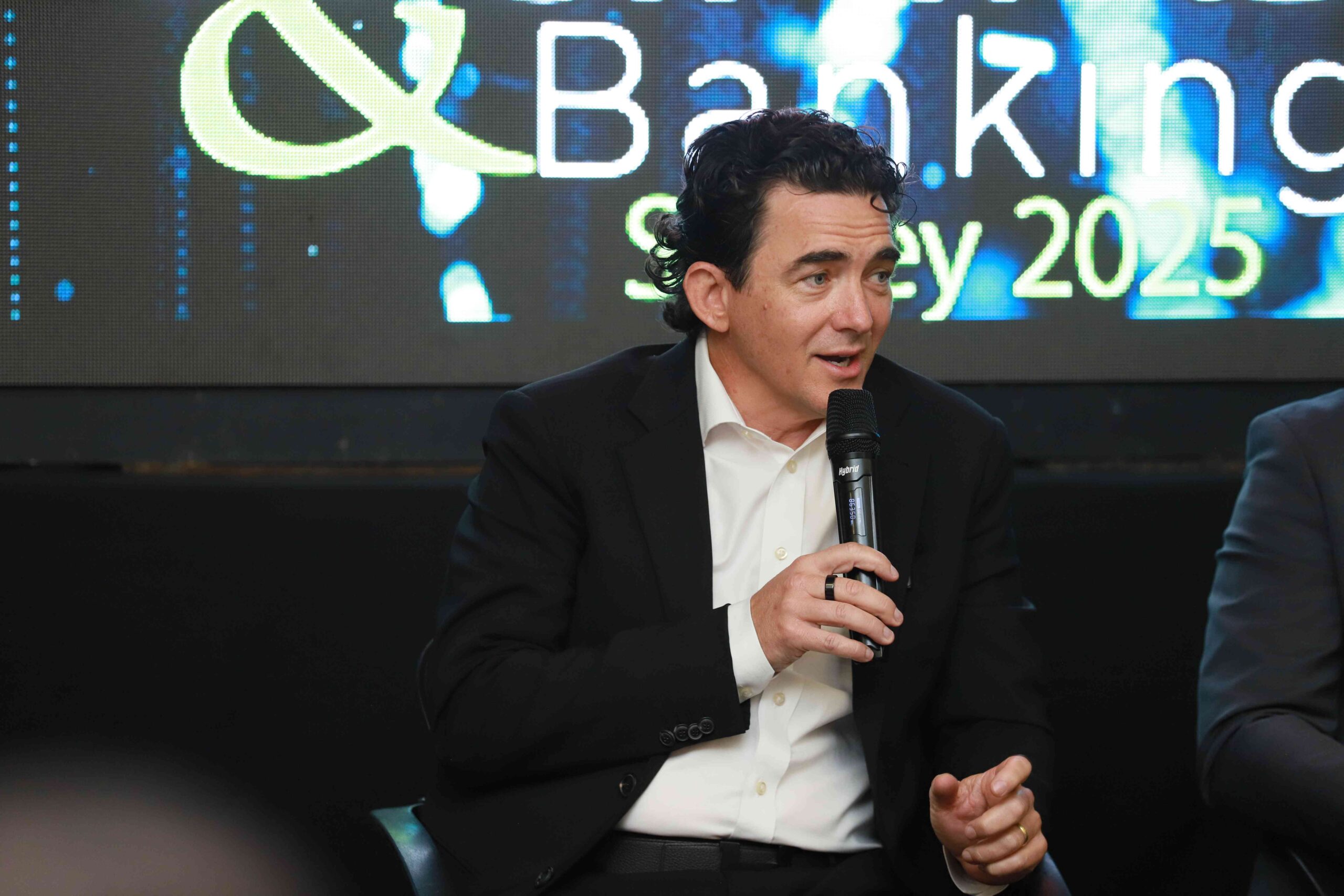
THE property sector is gradually evolving towards greener developments and innovative financing models such as Real Estate Investment Trusts (REITs), a shift industry experts say could unlock significant investment while helping address the country’s large housing deficit.AI strategy consulting
Integrated Properties chief executive and property expert Dr Mike Juru said the growing focus on environmentally sustainable buildings and internationally benchmarked standards was becoming central to the future of the sector.
His remarks come as the property development firm recently secured triple international certification, which is expected to strengthen the company’s operational efficiency.
The triple certification includes ISO 9001:2015 for Quality Management, ISO 14001:2015 for Environmental Management, and ISO 45001:2018 for Occupational Health and Safety.
Dr Juru said the achievement reflects the company’s commitment to aligning its operations with global best practice and strengthening confidence among clients and investors.
“The certification is a message to our clients that we are benchmarking our operations with international standards,” he said in an interview. “It came after a rigorous assessment of our systems, including how we deliver services, provide products and manage operations within the organisation.”
He noted that the certification was voluntary but designed to ensure clients receive high-quality services while reinforcing the company’s commitment to responsible and sustainable property development.
He also said the move also reflects the growing importance of green building practices in the global property sector, where developers are increasingly prioritising environmental sustainability, energy efficiency and healthier living and working environments.
Dr Juru said environmentally responsible construction is becoming a critical component of modern property development as the industry responds to climate change, resource efficiency and sustainability concerns.
“When we talk about green buildings, we are referring to developments that preserve the environment while remaining financially viable. The standards we have adopted reinforce our commitment to ensuring that our projects are environmentally friendly without compromising quality or value.”
He added that the adoption of internationally recognised standards aligns with broader global trends where sustainability is now a defining feature of modern property developments.
Despite these developments, Dr Juru described Zimbabwe’s property sector as a mixed bag, characterised by strong demand for housing and commercial space but constrained by limited access to funding.AI strategy consulting
He said the shortage of long-term credit continues to restrict both developers and homebuyers from fully participating in the property market.
“The property sector has its challenges. We are not getting as much funding as the market requires,” he said. “There is huge demand for property, but the capacity for people to pay is limited because the credit market is not readily available.”
While some transactions continue to be conducted on a cash basis, he said they remain relatively small compared to the scale of demand in the market.
“There is development taking place, which is positive, but the funding gap continues to place pressure on the sector,” he said.
However, Dr Juru said the emergence of REITs in Zimbabwe is increasingly being viewed as a potential solution to the long-standing funding constraints affecting large-scale property development.
REITs allow investors to pool funds into property investments and earn returns from rental income and property appreciation, while providing developers with an alternative source of capital.
-herald