Zimbabwe’s gold deliveries for 2026 got off to a slow start, with both large-scale and small-scale producers recording a year-on-year monthly decline in output, latest data from the Fidelity Gold Refinery show.
The country’s sole authorised gold buyer reported total deliveries for January reached about 3,04 tonnes, a marginal decrease from about 3,17 tonnes recorded during the same period in 2025.
The statistics highlight a continued reliance on the artisanal and small-scale mining sector, which remains the backbone of the country’s bullion production despite a slight dip in performance.
Small-scale miners delivered 2,24 tonnes in January 2026, compared to 2,27 tonnes in January 2025. Large-scale miners produced 808.4kg in January 2026, down from 903,2kg in the prior-year period.
Small-scale miners comprise thousands of individual miners and small groups using simpler equipment. They are the backbone of production, contributing over 70 percent of the country’s total gold.
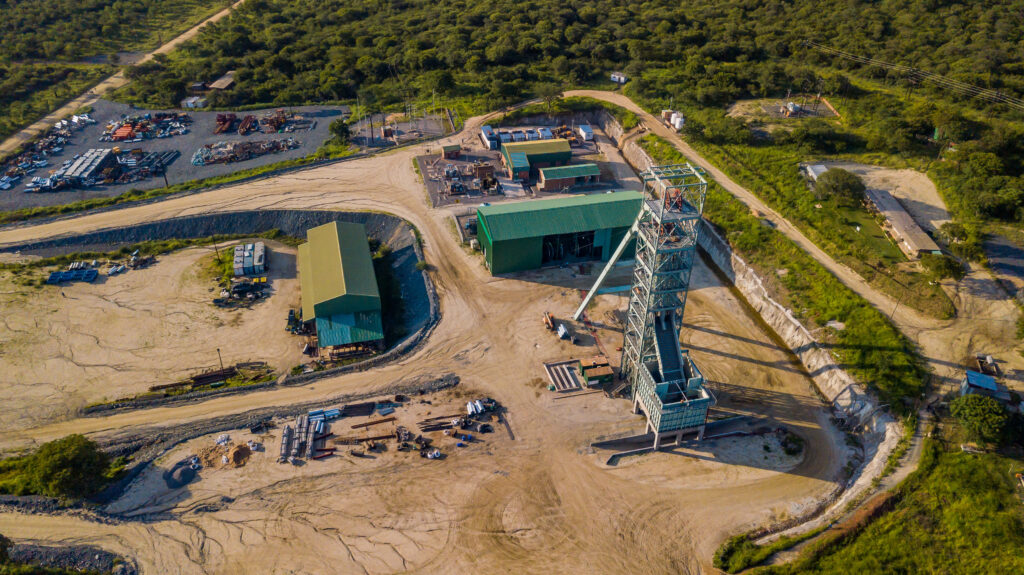
Large-scale miners constitute big mining companies with massive underground operations and heavy machinery.
While they produce less total volume than the small-scale sector, they provide steady, long-term jobs and tax revenue.
Global gold prices fell 1 percent to US$4 948 per ounce yesterday as a 0,2 percent gain in the dollar index and low liquidity in Asia dampened demand.
Following the record highs of early 2026, many traders chose to take profits, especially since recent US inflation data provided no clear direction for growth.
For gold to move towards the US$6 000 mark, a weaker dollar is required, according to analysts. For now, the market is in a “wait-and-see” mode, looking towards upcoming Fed minutes and GDP figures for signals on interest rate cuts—a key driver for non-yielding assets like bullion.
The global gold rally has been a transformative tailwind for Zimbabwe, solidifying the precious metal’s position as the country’s primary foreign currency earner.
In 2025, gold exports generated a record US$4,6 billion, accounting for nearly 50 percent of the country’s total exports.
The surge in bullion-related revenue has provided a critical liquidity cushion for the economy, bolstering the stability of the foreign currency and gold-backed Zimbabwe Gold (ZiG) currency and helping to temper inflationary pressures.
Zimbabwe achieved an all-time production high of 46,7 tonnes in 2025—a 17 percent increase from the previous year.
The performance was largely driven by the artisanal and small-scale, which contributed approximately 34,9 tonnes (roughly 75 percent of total output).
The Government’s decision to maintain favourable royalty structures for these miners, coupled with the high global valuation of the metal, has incentivised thousands of small-scale operators to formalize their deliveries.
Beyond direct export earnings, the gold boom has allowed the Reserve Bank of Zimbabwe (RBZ) to aggressively build its strategic reserves used to back the local unit.-herald