THE Tobacco Industry and Marketing Board (TIMB) has allayed fears of a tobacco price drop from oversupply on the world market, as 95 percent of the Zimbabwean crop is predominantly contract-based with pricing and offtake agreements.
This comes as the 2026 tobacco marketing season starts in a week, with over 400 million kilogrammes of the crop expected to go under the hammer.
Some growers were fearing a decline in price this year following a general market update from TIMB on X.
“Globally, there is an oversupply of tobacco and countries have tobacco stocks from previous years. High volumes naturally introduce market pressures, which negatively affect pricing,” said TIMB.
Tobacco growers were therefore urged to ensure they produce high-quality tobacco to fetch good prices, as quality becomes the biggest differentiator in oversupply.
TIMB chief executive, Mr Emmanuel Matsvaire, last week clarified that the statement was intended to provide general market information and global context.
“Zimbabwe’s tobacco marketing structure is predominantly contract-based, with approximately 95 percent of the crop grown under structured contractual arrangements. Under this model, pricing and offtake are governed by pre-agreed frameworks between contractors and growers,” he said.
Mr Matsvaire revealed the bulk of the local tobacco was insulated from speculative global auction volatility.
“Any global oversupply dynamics would more directly affect the small proportion of tobacco traded under the auction system, which constitutes approximately five percent of total volumes.
“The purpose of our communication was not to cause alarm, but to promote transparency, informed decision-making and realistic market awareness among stakeholders,” he said.
TIMB advised growers that well-grown, properly cured and correctly graded tobacco attracted buyer interest and competitive pricing, even under tight market conditions.
“To ensure your crop meets market standards and presents well on the auction floors, it is important to bale your tobacco using a baling box.
“This gives you the required bale dimensions of 86cm by 61cm by 61cm and improves the appearance and uniformity of your tobacco bale,” said TIMB.
An analysis of prices received by growers shows that the average has increased 64 percent to US$3,32 last year from US$2,03 in 2019.
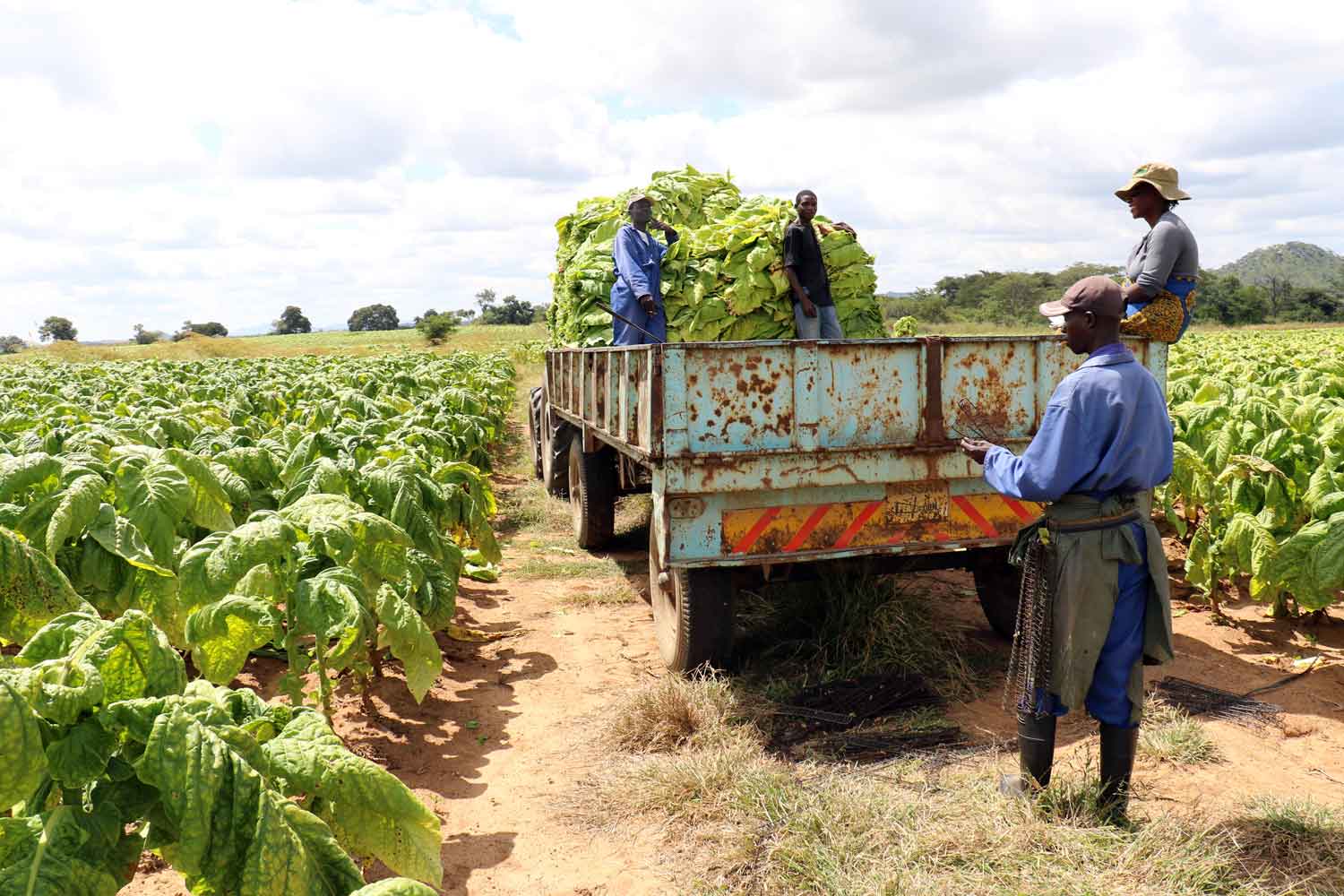
This season, farmers planted a record-breaking hectarage of 164 536 under flue-cured tobacco, eclipsing the all-time high figure of 146 000 ha of 2019.
The irrigated crop is now ready for selling, while some farmers are still reaping and curing the dryland crop.
The tobacco value chain contributes significantly to the agriculture Gross Domestic Product (GDP) and export revenues, thereby aiding national economic growth.
Last year, the country earned US$1,4 billion from tobacco product exports, a 40 percent surge from US$1 billion in 2022.
Tobacco production supports up to 160 000 households and accounts for more than 50 percent of agricultural exports and between 14 and 20 percent of the agricultural GDP.
Discover more
Climate change solutions
Mass media consulting
Made in Zim products
The industry also contributes between five and 10 percent of the national GDP.
Grower earnings from flue-cured tobacco sales have risen 610 percent from US$169 million in 2007 to US$1, 2 billion last year.-herald