WOMEN in Zimbabwe’s mining sector have called for targeted financial support, equipment leasing schemes and low-interest financing programmes to unlock their full participation as mine owners and investors.
Industry leaders say that although women are increasingly participating in mining operations, many remain confined to support roles due to limited access to capital, equipment and mining claims.
Mining is the backbone of Zimbabwe’s economy, contributing roughly 12 percent to the gross domestic product and generating over 80 percent of its total export earnings
With a diverse mineral base —including gold, platinum group metals (PGMs), lithium and diamonds — the sector drives foreign direct investment (70 percent), provides significant Government revenue and supports infrastructure development.
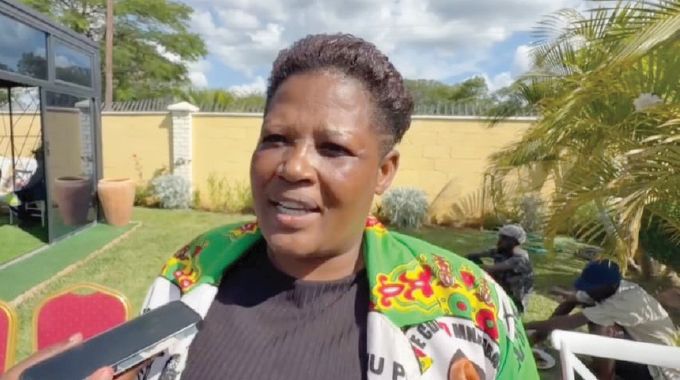
Zimbabwe Indigenous Miners Association (Zima) national chairperson Ms Silingiwe Masuku told Zimpapers Business Hub that strategic interventions are required to ensure women transition from labour-intensive roles into full ownership and leadership positions within the sector.
“There are several interventions that can significantly improve women’s participation in mining ownership.
“Firstly, there is a need for targeted financial support mechanisms for women in mining. Government-backed mining funds, equipment leasing schemes and low-interest financing programmes can help women acquire claims and access the machinery needed to operate efficiently.
“Secondly, technical training and capacity building are essential. Programmes that equip women with geological knowledge, mining management skills and regulatory understanding will empower them to run sustainable mining operations,” she said.
Zimbabwe’s mining sector, which anchors the country’s export earnings, continues to experience growing interest from women, particularly in the artisanal and small-scale mining segment, where thousands are involved in gold production.
However, access to funding and technical expertise remains one of the biggest barriers preventing women from scaling up operations.
Ms Masuku said structured mining co-operatives and cluster models could help women overcome some of these barriers by allowing them to pool resources and operate on a larger scale.
“Government and industry institutions should support structured mining co-operatives and clusters where women hold equity and leadership positions. This allows women to pool resources, share equipment and operate on a larger scale while reducing operational risks.
“Zima is already moving in this direction by encouraging cluster mining models that bring together miners, investors and technical experts under structured arrangements. This model makes it easier for women and emerging miners to participate in the sector,” she said.
She noted that improved access to geological information and licensing support will also help women formalise their participation in mining.
She added that mentorship programmes and industry partnerships are also critical in helping women transition from informal mining activities into formal mining ownership.
“Zimbabwe’s mining sector holds enormous potential for national development. Ensuring that women participate fully, not only as workers but also as owners and investors, will strengthen the gold value chain and promote inclusive economic growth,” said Ms Masuku.
She said the growing number of women studying mining-related disciplines is already beginning to reshape the sector.
“Today, women are studying mining engineering, geology and mineral processing. We now see women managing mining operations, driving heavy equipment and participating directly in mining activities.
“It is therefore important that women move beyond the traditional support roles and become shareholders, claim holders and decision-makers.
“Ownership is where real economic empowerment lies. When women control assets within the mining sector, they participate directly in wealth creation, build generational wealth and improve household livelihoods,” she said.
Ms Masuku added that Zima is actively promoting inclusive mining models that encourage women’s participation.
“Through Zima’s emerging mining cluster model, women are being encouraged to participate in structured mining groups where they can access claims, technical expertise and investment partnerships.
As Zima expands its reach into the diaspora, new opportunities are also emerging for diaspora investors to support women-led mining projects and partnerships.
“Empowering women in mining is therefore not just about fairness; it strengthens governance, improves sustainability and expands the sector’s economic impact.”-herald