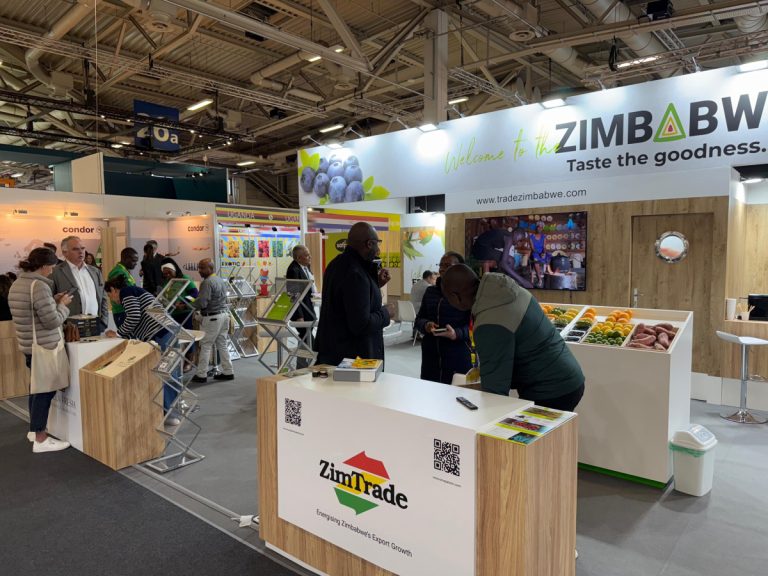
National trade promotion and development body, ZimTrade, says its export cluster initiative has become a cornerstone of Zimbabwe’s trade strategy, serving as a vital catalyst for sustainable export growth and development.
The initiative entails organising producers around specific products and markets across the country to address challenges such as scale, quality consistency and co-ordination.
ZimTrade’s export clusters and integration of previously marginalised communities into the mainstream export business drive the growth of Zimbabwe’s export earnings.
As part of its strategy to grow exports, Zimbabwe introduced the National Export Promotion Strategy, which targets to achieve export earnings of around US$14 billion by 2030.
The export of produce has traditionally been the domain of commercial farming and manufacturing entities. It is now evident that even consolidated smaller entities can successfully venture into the export business, provided they receive adequate support from the country’s national trade development and promotion organisation.
Clusters enable smallholder farmers to meet the required export volumes, help standardise operations, and eliminate middlemen who typically shortchange small-scale growers by buying produce at meagre, economically unviable prices.
Efforts have therefore been made to equip farmers with market intelligence and integrate them into the mainstream export business, making it easier for ZimTrade to fulfil its mandate of facilitating export growth.
Steps are being taken to assist these clusters with certification, so that they earn more when they supply lucrative niche markets.
Cluster establishment, rural industrialisation and recognition of women-led enterprises are designed to enhance each district and province’s contribution to national export growth.
This is in line with the devolution agenda spearheaded by the Second Republic to grow exports through increased contribution from all sectors of Zimbabwe’s economy.
“In rural areas, the cluster model is linking producers to formal markets while supporting income generation and local economic activity,” reads ZimTrade’s January newsletter.
“Over time, this approach also contributes to building production capacity and export readiness at the community level. Alongside clustering, there is continued focus on product development. New export products are being identified and developed, while existing products are being improved to meet market requirements.”
ZimTrade added that heritage-based products are part of the export development approach, drawing on Zimbabwe’s natural resources, cultural assets and traditional knowledge, while aligning them with modern packaging, branding and quality standards demanded by international markets.
According to ZimTrade, support to small and medium enterprises remains central to export development.
“Programmes such as ZimTrade-run Next She Exporter and Eagles Nest have demonstrated that SMEs can access regional and international markets when provided with targeted technical assistance, market exposure and compliance support,” ZimTrade said. Building on the outcomes recorded in previous editions, these initiatives continue to play a role in preparing SMEs for export participation in 2026.
“The emphasis on small businesses reflects lessons drawn from international experience. Economies such as Singapore and Malaysia have built strong export sectors by integrating small manufacturers and specialised producers into global value chains.”
ZimTrade explained that their experience shows that export competitiveness is driven by efficiency, quality and market alignment, rather than scale alone. In addition, export development efforts will place increased emphasis on the manufacturing sector, recognising its central role in driving value addition, industrialisation and sustainable export growth.-herald