Zimbabwe’s mining policy thrust towards beneficiation, value addition and technology transfer received global backing at the recently ended Mining Indaba 2026 in Cape Town, South Africa, with analysts saying the signals point to a decisive shift in how the country’s mineral wealth can anchor long-term economic growth.
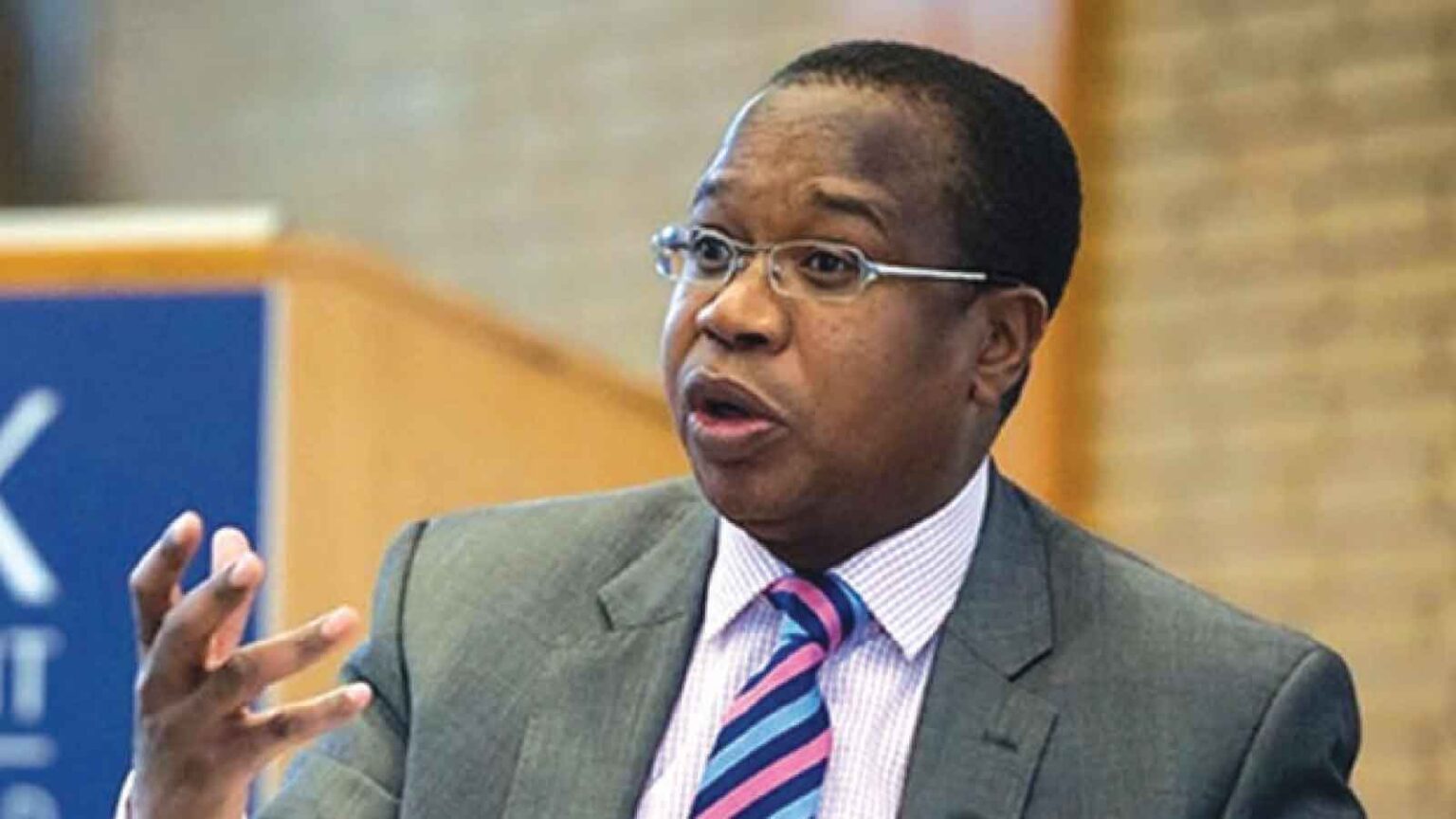
Speaking on the sidelines of the Mining Indaba in Cape Town, Mines and Mining Development Minister Polite Kambamura asserted that Africa must decisively move away from exporting raw minerals and instead position itself as a centre for industrial processing and innovation.
“When we speak of beneficiation, we are not just speaking about industrial processes. We are talking about justice, jobs and the future of our continent,” said Minister Kambamura. “Africa is no longer content with being a spectator on the global map. We are a destination of choice for innovation, a hub of processing and the nucleus for industrialisation.”
He said the long-standing extractive model that left producing countries with limited value was no longer acceptable. “Stronger together, we must move from exporting raw potential to exporting value. To our investors, the message is clear: the era of dig and ship must be buried in our history,” he said.
Key participants at the conference reaffirmed Zimbabwe’s commitment to maintaining a predictable and investor-friendly environment that supports sustainable mining while ensuring lasting socio-economic benefits.
The mining Indaba platform was also used to showcase Zimbabwe’s mineral endowment, ongoing policy reforms and its vision of a modernised, value-driven mining sector.
The UK Trade Commissioner for Africa Mr John Humphrey, highlighted the scope for cooperation in skills exchange and technology, particularly in geological surveying.
“I have met the new minister of mines and we had a very fruitful discussion about the exchange of expertise in geological surveying,” he said. “We also talked about how you manage your mining and minerals environment to ensure that the country is getting the maximum benefit.”
Mr Humphrey stressed that the quality and transparency of geological data were key to unlocking investment. “If you have good geological data and that is open and available to people, and they can trust that information, then it encourages investment. Zimbabwe is a beautiful country, and not only have I visited on business, but also from a personal capacity, and I think it is very clear from this mining endowment that mining and minerals and critical minerals is very much top of everybody’s agenda, he said”
Meanwhile, Ms Diana Janse, Sweden’s Deputy Minister of Trade and Promotion, underscored opportunities for collaboration in mechanisation and technology transfer to support modernisation. “It is good to meet with the Minister here at this mining exhibition since we have a lot of Swedish companies that have a lot to offer to the mining industry,” she said. “In terms of equipment to conduct sustainable mining, sustainable from an environmental point of view but also from a social point of view.”
Ms Janse said Sweden was keen to deepen partnerships with Zimbabwe’s mining sector.
“So, I discussed this with the minister and we are happy to partner with Zimbabwe in the mining industry to develop that partnership,” she said.
Economist Ms Gladys Shumbambiri-Mutsopotsi said the tone struck by the Government and international partners pointed to a more strategic phase for the mining sector. “What stood out for me is the clarity of intent around beneficiation and value retention,” said Ms Shumbambiri-Mutsopotsi. “When the minister says beneficiation is about justice, jobs and the future, he is linking mining policy directly to inclusive growth and structural transformation of the economy.”
She said the emphasis on predictability and sustainability was critical at a time when global investors were becoming more selective.
“Capital today follows certainty, transparency and long-term vision,” she said. “If Zimbabwe aligns its regulatory framework with its beneficiation ambitions, mining can move from being a foreign-currency generator to a genuine industrial anchor.”
Ms Shumbambiri-Mutsopotsi said access to reliable geological information could significantly lower investment risk.
“Geological data is the foundation of mining investment decisions,” she said. “What the UK Trade Commissioner is pointing to is the importance of information symmetry, which ultimately improves pricing, partnerships and long-term project viability.”
According to Ms Shumbambiri-Mutsopotsi, technology partnerships of this nature are central to boosting productivity and reducing costs.
“Mechanisation and technology transfer are not luxuries; they are competitiveness tools,” she said. “If Zimbabwe leverages partnerships with countries like Sweden, it can modernise operations, improve safety and align with global sustainability standards.”
Discover more
Zimbabwe news updates
Business news subscriptions
National news app
She added that the combined messages from the Government and its international partners sent a strong signal.
“What we are seeing is convergence, policy intent, international interest and economic logic all pointing in the same direction,” said Ms Shumbambiri-Mutsopotsi. “If implemented consistently, this could mark a turning point for Zimbabwe’s mining sector and its contribution to broader economic development.”
The Mining Indaba engagements for the country reinforced a clear narrative that mining is no longer just about extraction, but about value, partnerships and long-term national development.-herald