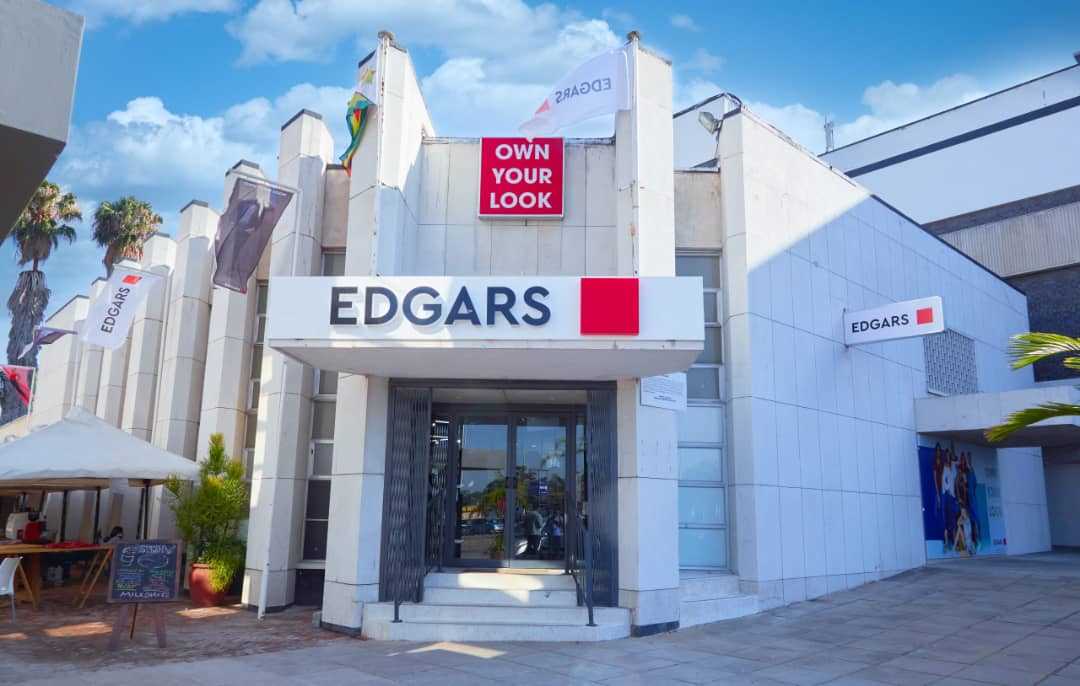
ZIMBABWE Stock Exchange (ZSE)-listed clothing retailer, Edgars Stores Limited, has expressed concern over the increased duty on fabrics, warning that the move will lead to higher clothing prices and promote smuggling of both fabrics and finished garments.
Presenting the 2026 National Budget in Harare on Thursday, Finance, Economic Development and Investment Promotion Minister, Professor Mthuli Ncube, announced a 300 percent increase in customs duty on selected imported polyester staple fibres and dyed woven fabrics of cotton. The measure, he said, aims to support local production and strengthen the cotton-to-clothing value chain.
He also proposed to review materials benefitting from the clothing manufacturers’ rebate to exclude the affected fabrics, subject to local manufacturers’ ability to offer competitive quality and pricing. The new measures take effect from January 1, 2026.
However, Edgars group chief executive officer, Mr Sevious Mushosho, said the move would hurt rather than help the local industry, as domestic producers lack the capacity to meet the diverse needs of the fashion sector.
“As Edgars Stores Limited, the biggest manufacturer of clothing in the country through our Carousel Factory, we are of the view that this development will not benefit the cotton-to-clothing industry but will result in high prices for clothing and promotion of smuggling of both fabrics and finished garments,” said Mr Mushosho.
“Local fabric manufacturers have no capacity to produce the range of fabrics required in fashion. What they produce only suits a narrow range. We are already buying what they are producing and augmenting with imports to meet our customers’ ever-changing fashion needs.”
He added that locally produced fabrics were more expensive and not yet of comparable quality to international standards.
Mr Mushosho said ongoing research by the Competition and Tariff Commission (CTC) and the National Competitiveness Commission (NCC) should guide policy direction before such measures are implemented.
“This research is still ongoing while this policy is already out. Clothing manufacturing is the biggest player and employer in the cotton-to-clothing value chain,” he said.
“Such a move will have a significant negative impact on employment and growth in the sector, while informal traders will become the winners. We recommend that the Government shelves this policy to allow further consultations within the value chain after the research by CTC and NCC is completed.”-herald