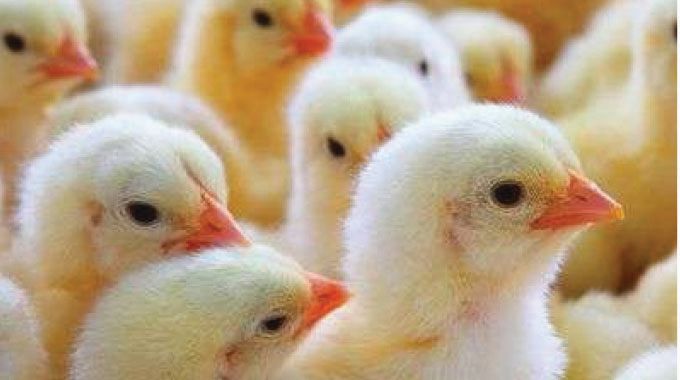
A shortage of day-old chicks has gripped Bulawayo, with some unscrupulous suppliers allegedly forcing smallholder farmers to buy feed as a condition for accessing the chicks.
Ordinarily, poultry farmers begin stocking day-old chicks about six weeks before Christmas to meet the expected surge in demand for chicken meat during the festive season. However, investigations by Zimpapers in Bulawayo show that this year’s seasonal scarcity has intensified, prompting some producers to impose unfair purchase requirements.
The Competition and Tariffs Commission has since issued a warning, noting that such practices distort market competition and disadvantage small-scale farmers.
The Zimbabwe Poultry Association (ZPA) attributed the shortage to high production costs associated with breeder chickens, which has led breeders to reduce stock levels.
ZPA chairperson Mr Tizai Faranisi said demand for day-old chicks typically peaks from September to mid-November, as farmers prepare birds for the Christmas market. Broilers require five to six weeks to reach market weight, usually between 1,8kg and 2kg.
“So, the process of hatching goes like this. You have the day-old chicks, which are hatched from eggs produced by what we call parent stock. The parent stock — these are the breeding. Now, to raise the parent stock, firstly, to buy the day-old chick parent stock costs you US$8.
“To grow it up to 25 to 28 weeks, when it starts producing eggs that you can put into the machines to produce day-old chicks, you would have spent no less than US$15 to US$20 depending on things like power cuts, vaccines, feed costs and so on. So, all I’m saying is that before the breeders start producing hatching eggs, you would have spent around US$25.”
Because of these high costs, he said breeders are cautious about keeping too many breeding chickens, fearing losses if the market cannot absorb the resulting day-old chicks. They base their stock levels on average annual demand, making it difficult to scale up production solely for the three-month peak season.
“So, you’ll be bleeding as a hatcher or as a breeder. You find that people say, if there is excess demand, so be it. I can’t take the risk of having to sell eggs from breeders as table eggs post-peak,” said Mr Faranisi.
While it would be ideal to meet all customer demand, he said doing so would be too expensive for hatcheries.
“This is the challenge we have as an industry and if you ask those farmers who want chicks now, you’ll find that probably 15 to 20 percent of them don’t really keep day-old chicks. They just want them for Christmas,” said Mr Faranisi.
He added that farmers who usually operate during the peak period tend to double their orders, but breeders cannot ramp up production of broiler breeders, whose lifespan stretches from day-old to 64 weeks.
One of the major suppliers, Hamara, said the festive season rush was nearing its end, with most farmers who booked earlier having already received their chicks.
“We have also included three-week-old birds to help our farmers who struggle with brooding during this wet and hot season, so that they too can have Christmas birds, and the last batch for Christmas teen birds would be the second week of December,” said Hamara marketing manager, Ms Bridget Rungu.
However, Mr Faranisi noted that some farmers suffer high mortality rates because they ignore management and stockmanship guidelines in an attempt to cut costs.
“How can we not want farmers to succeed when we are desperate for repeat business? Even keeping records is a problem,” he said.-herald