Agriculture and mining will remain the twin anchors underpinning household incomes, liquidity and consumer demand in 2026, as the two sectors continue to provide critical buffers against cost pressures.
The two sectors are the foundational pillars of Zimbabwe’s economy, together driving exports, foreign currency earnings, and employment.
Mining contributes over 60 percent of total export earnings and roughly 12-15 percent of the country’s gross domestic product.
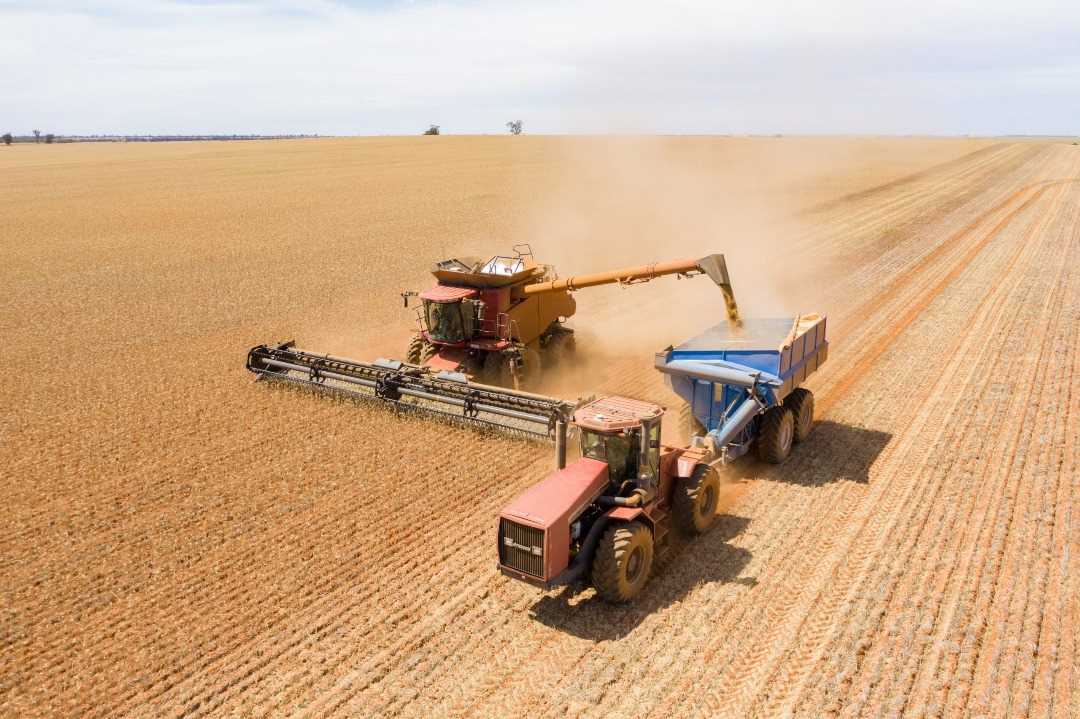
Agriculture, supporting 60-70 percent of the population, provides roughly 11-20 percent of GDP and supplies 60 percent of industrial raw materials.
Stockbroking and equities research firm IH Securities, in its 2026 equity strategy report, said agriculture remains central to income stability, supported by favourable rainfall during the 2025/26 summer season.
“Southern Africa Regional Climate Outlook Forum (SARCOF-31) guidance points to normal to above-normal rainfall across key periods, reinforcing a base case of improved crop conditions extending into 2026.
“This rainfall outlook should support generally solid crop health and better staple availability, strengthening rural incomes and food security,” IH said.
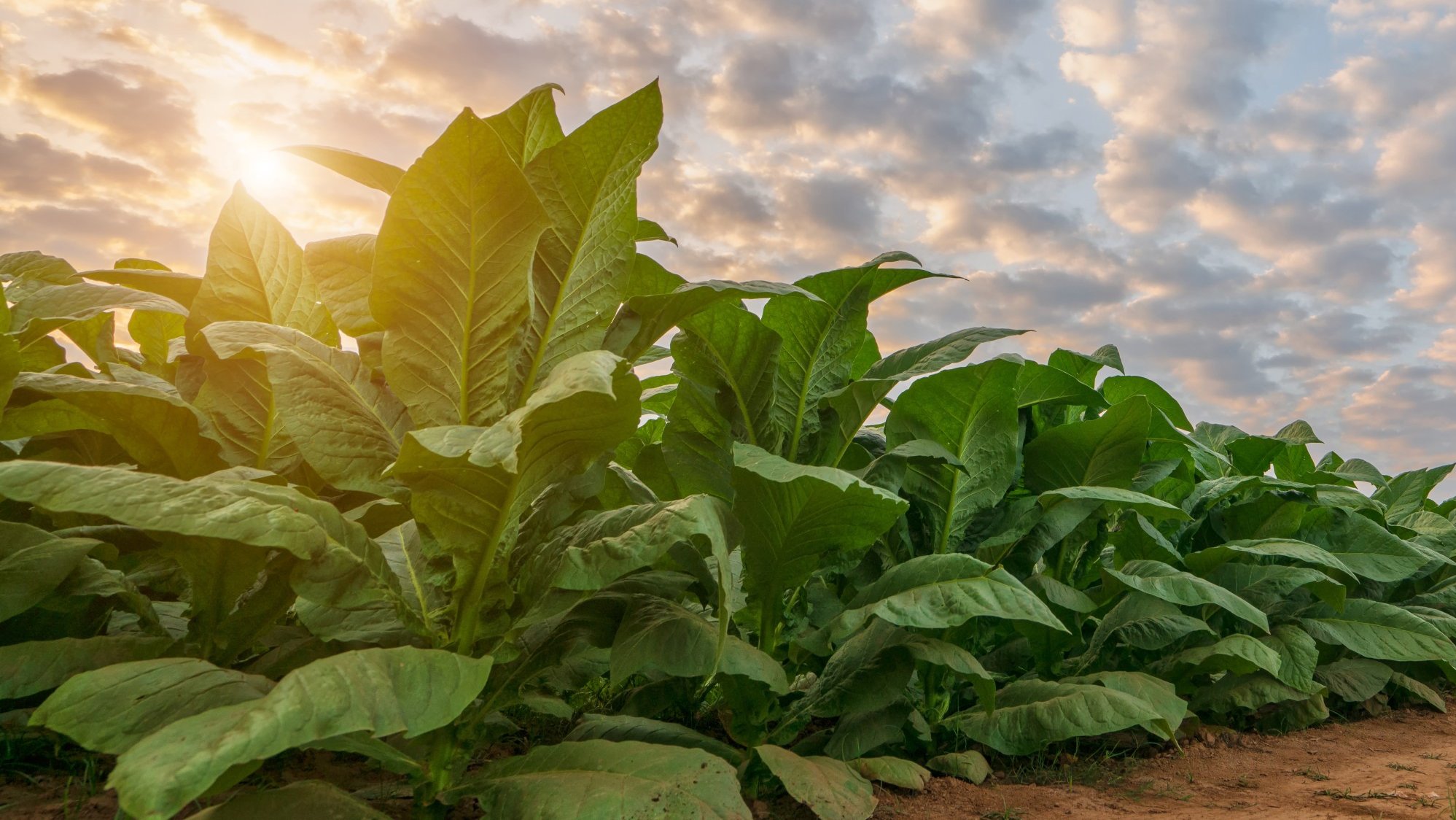
Within the agricultural sector, IH said tobacco continues to stand out as a major liquidity anchor sustaining rural cash flows that typically spill over into broader consumption demand across both rural and urban centres.
“At the end of 2025, tobacco farmers sold 353,7 million kilogrammes, generating US$1,2 billion in revenue, a 53 per cent increase from the previous season. The income injection remains one of the most important seasonal supports for consumer spending,” reads part of the report.
IH said mining and mineral production form the second pillar supporting demand, describing the sector as a key driver of consumer income.
It said, despite policy changes that will see the Government increase its stake at the top end of the gold price cycle through a progressive royalty structure, the prevailing high gold price regime remains supportive.
IH added that the revised structure, with a 5 percent royalty, applies to prices between US$1 200 and US$5 000 per ounce, with a higher 10 percent rate triggered only above US$5 000 per ounce.
“This framework still allows for healthy margins, cash generation and earnings resilience, providing an important counterweight to pressures facing consumers elsewhere in the economy,” reads the report.
Gold now accounts for nearly half of Zimbabwe’s export receipts, cementing its role as a cornerstone of foreign currency earnings.
The gold mining sector, as the leading foreign currency earner, provides crucial liquidity to stabilise the Zimbabwe Gold (ZiG) currency, contributes about 12 percent to gross domestic product (GDP) and supports over 300,000 livelihoods in the artisanal mining sector.
Globally, gold has been propelled by a combination of geopolitical tensions, central bank purchases and investor appetite for safe-haven assets amid currency volatility.
Market analysts predict continued gains as central banks diversify reserves and interest rate cuts make non-yielding assets like gold more attractive.-hearld