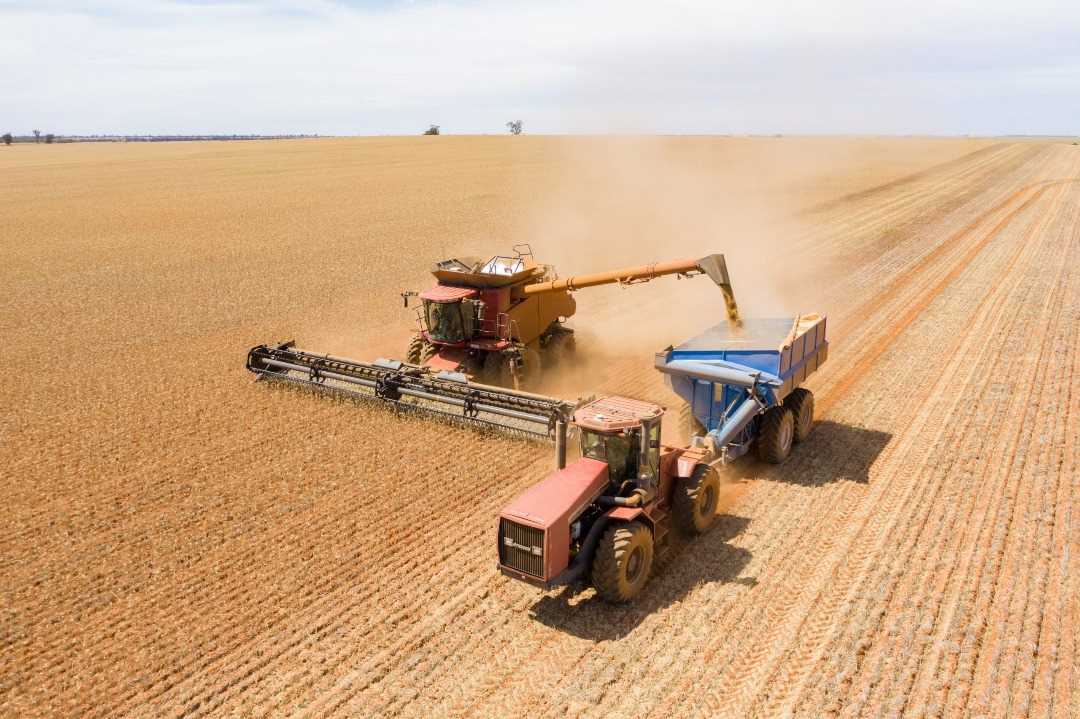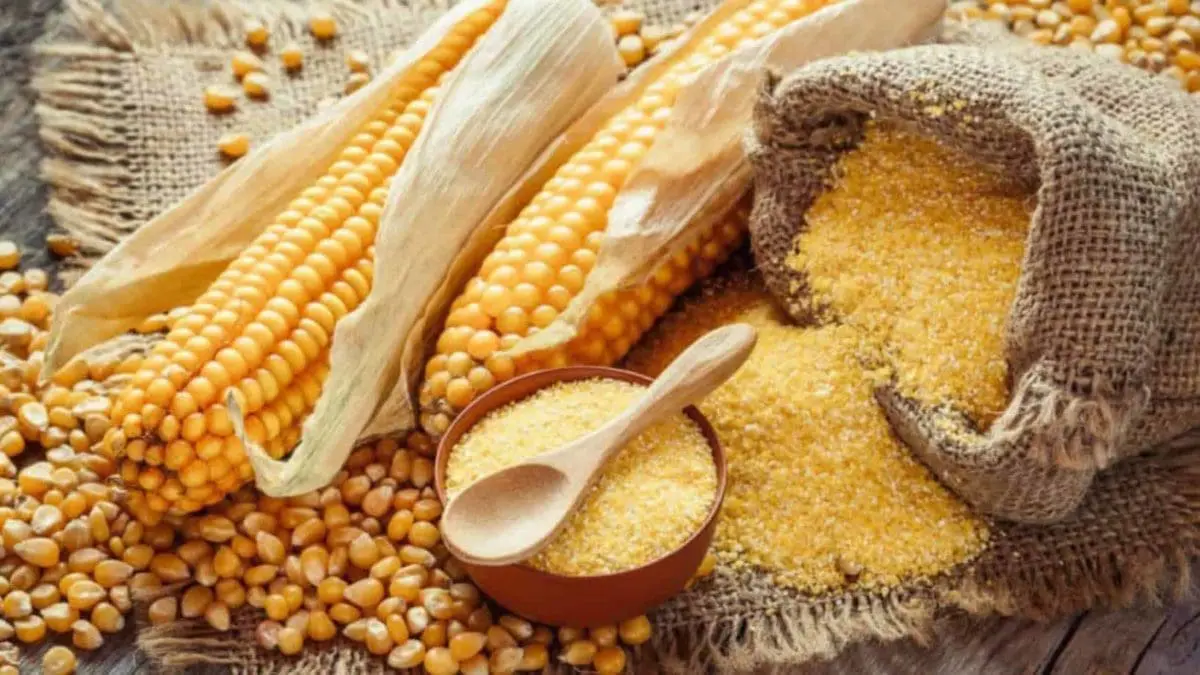
Zimbabwe is preparing to reopen grain imports amid expectations of a lower harvest in the 2026/2027 agricultural season, with authorities warning of possible drought conditions.
The move comes just months after the government reduced grain imports following an improvement in domestic production.
Experts estimate that grain output could decline by approximately 1.6 million tonnes from the 2.68 million tonnes recorded during the previous season.
The anticipated decline has raised concerns over food security as the country prepares for potentially drier conditions.
The Meteorological Services Department has forecast reduced rainfall and above-average temperatures, raising the possibility of prolonged dry spells.
The conditions are expected to place additional pressure on smallholder farmers who depend on rain-fed agriculture, as well as livestock and water resources.
Cabinet this week approved earlier plans to facilitate grain imports, aiming to prevent supply disruptions and avoid delays in responding to food shortages.
“The private sector will be allowed to bring in grain to meet the needs of businesses and people, and they will also look at increasing the amount of grain that households can bring in for basic food,” said Information Minister Soda Zhemu.
The government’s decision comes against the backdrop of Statutory Instrument 87 of 2025, which was published last year.
The legislation requires companies involved in grain, oilseeds and related products to source at least 40% of their raw materials from local suppliers, effective April 1, 2026.
During the 2024 drought, which was attributed to the El Niño weather pattern, Zimbabwe imported between 1.1 million and 1.5 million tonnes of grain to bridge the production gap.
The government subsequently allowed private-sector players and millers to import approximately 1 million to 1.4 million tonnes of grain for food requirements and relief programmes through March 2025.
The latest weather projections come as Zimbabweans continue to face economic challenges, with salaries remaining significantly below the cost of living for many households.
Reduced donor support has also added to concerns over the country’s ability to respond to food insecurity over the next two years.
Read the original article on New Zimbabwe.