BUHERA smallholder farmers are increasingly embracing agricultural insurance, with more than 1 700 farmers registering under the Farmers Basket Agricultural Insurance Scheme for the 2026/27 summer cropping season, as the government and the Insurance Council of Zimbabwe (ICZ) intensify payment efforts.
Both the ICZ and government have been working to protect vulnerable farmers from climate-related shocks, particularly recurrent droughts that have disrupted agricultural production in recent years.
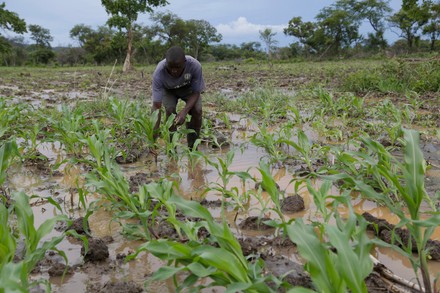
Hence, the Farmers Basket Agricultural Insurance Scheme was introduced following the devastating 2023/24 drought season to provide financial protection for smallholder farmers against crop losses.
The initiative, spearheaded by the ICZ in partnership with the government and implemented through AFC Insurance under the Agropool Scheme, currently operates in more than 10 districts across the country, with plans for further expansion.
“What we are pleased about this year is the significant improvement in subscriptions compared to the previous season,” ICZ first vice-president and AFC Insurance managing director Cuthbert Masukume told NewsDay Business in an interview.
“In Buhera alone, only about 20 farmers participated last year, but this season, the number has risen to more than 1 700 farmers, all of whom qualified for a payout.”
He was speaking to NewsDay Business during an insurance payout to Buhera farmers on Wednesday.
“Last season was not as severe as previous drought years, so the policy triggered at around 20% of the sum insured,” Masukume said.
“The payouts farmers are receiving today are, therefore, equivalent to almost 20% of the insured value.”
Under the scheme, farmers contribute a premium of US$24 to insure crops worth up to US$300.
The amount paid out then depends on the extent of crop losses determined through seasonal assessments.
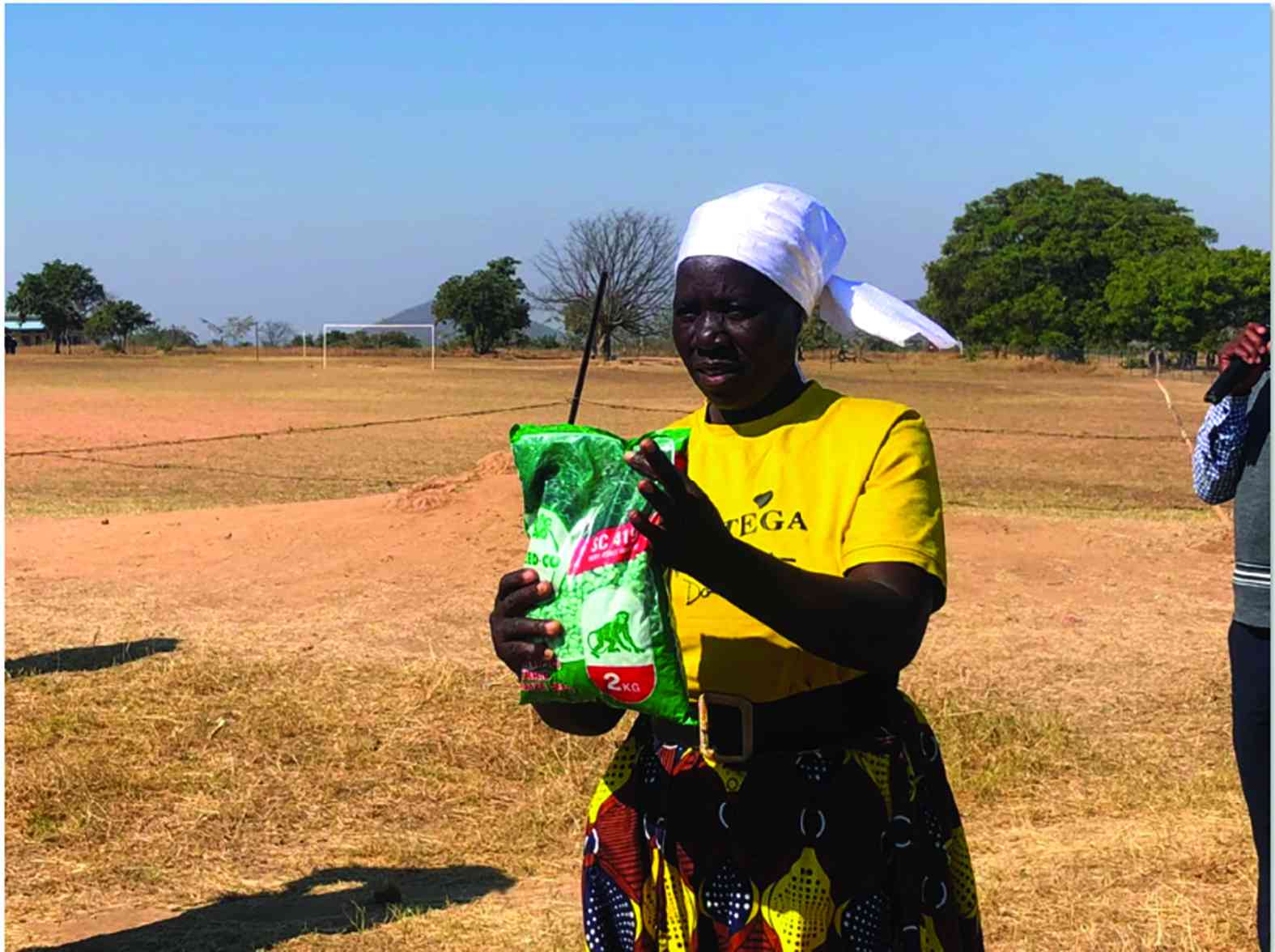
In Buhera, participating farmers received about US$54 each after the assessment and 2kg of maize seeds.
“The sum insured is US$300 and farmers here are receiving close to US$60 each,” Masukume said.
“In other districts where drought conditions were much worse, some farmers are receiving payouts of as much as US$200 because yields were significantly lower.”
He said Buhera had been selected to host the payout ceremony because of the remarkable increase in participation.
“What impressed us most was the growth in the number of farmers taking up insurance, and that is why we chose to conduct the payout ceremony here.”
Masukume said the programme would be expanded ahead of the 2026/27 summer cropping season.
“We are already operating in 10 districts, but we are now increasing the number of wards covered within those districts and are also looking at expanding into additional districts,” he said.
“Forecasts are pointing to a possible Super El Niño event this season, and we do not want farmers to remain exposed to climate risks.
“We, therefore, intend to continue offering the Farmers Basket Insurance Scheme in existing districts while extending coverage to new areas.”
Agriculture, Mechanisation and Water Resources Development ministry business development director Abraham Mashumba said the initiative was aimed at bringing communal farmers into formal agricultural insurance systems.
He said while commercial farmers had long benefited from agricultural insurance, the scheme sought to extend similar protection to smallholder farmers, who account for about 70% of Zimbabwe’s farming population.
“The Insurance Council of Zimbabwe approached government to introduce this product among communal farmers.
“This is not the first time agriculture has been insured because commercial farmers have been accessing insurance for many years.
“We are now bringing this major sector, which constitutes about 70% of Zimbabwe’s farming population, into insured agricultural production.
“This supports Vision 2030 by improving the incomes of communal farmers through resilience-building initiatives.”
Mashumba said although programmes such as Pfumvudza had improved agricultural productivity, they could not fully shield farmers from extreme weather events.
“The payouts we are witnessing today demonstrate that agricultural insurance can work effectively in the communal farming sector,” the government official said.
“The assessments combine both yield index and weather-based models to determine the level of losses suffered by farmers and the compensation due to them.
“The objective is to ensure farmers recover quickly and return to production in the next farming season.”
One of the beneficiaries, Buhera farmer Edmore Magaire, said the insurance payout would help him prepare for the coming season.
“I paid US$24 for the insurance, and the payout will help me buy inputs for the next season. It will also assist my family,” he said.-nesday