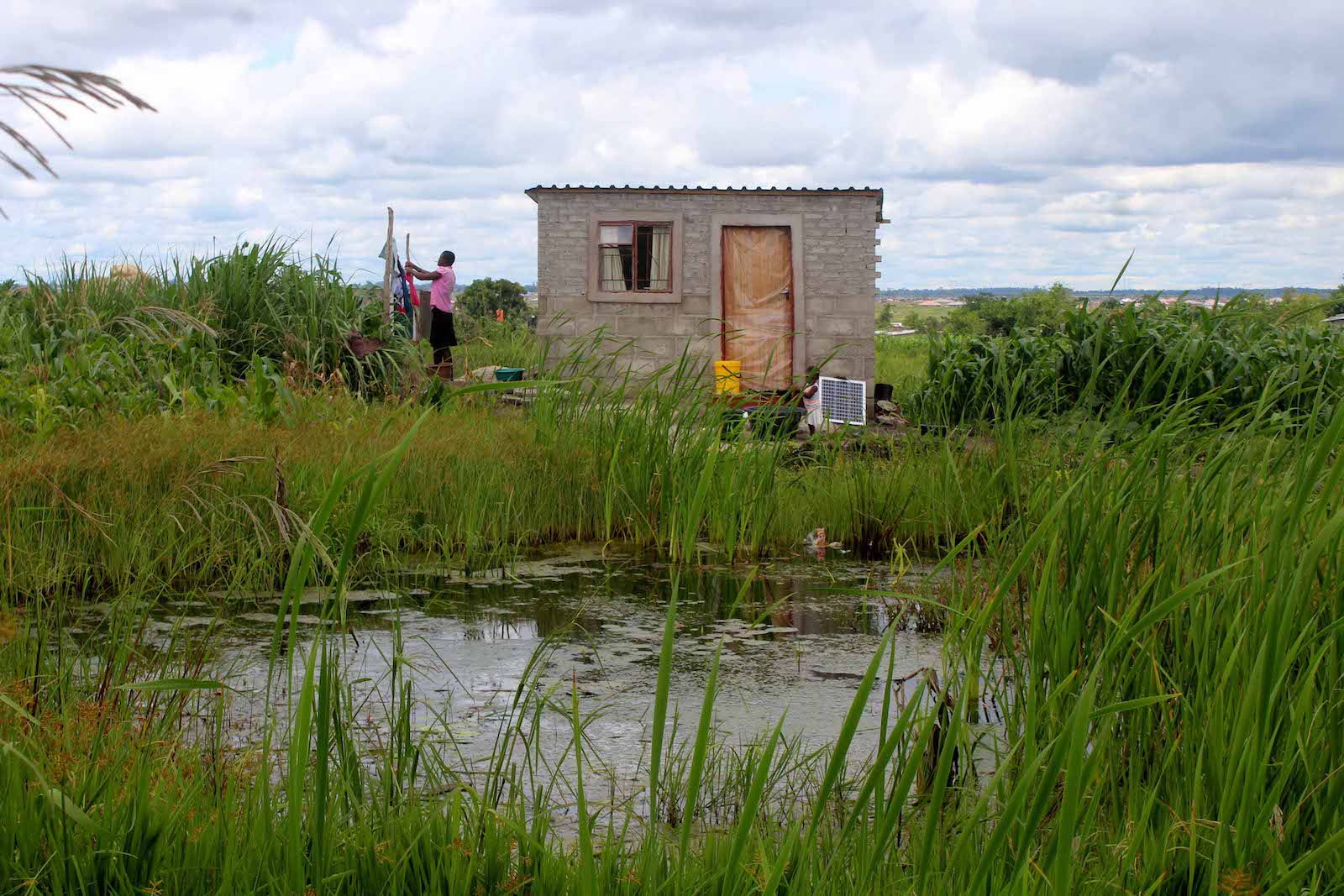
THE debate on Zimbabwe’s wetlands continues to intensify, with senators calling for strong protective measures and warning that their continued degradation threatens water security, climate resilience and sustainable urban development.
Across the country, wetlands are increasingly being degraded by urban expansion, illegal mining, stream-bank cultivation and infrastructure development, despite laws and policies aimed at protecting the critical ecosystems.
Wetlands play a vital role in regulating water flow, replenishing groundwater, reducing flood risks, and supporting biodiversity. Environmentalists warn that their destruction can worsen water shortages, increase the impact of climate change and undermine efforts to build sustainable cities.
Zimbabwe adopted the National Wetland Policy in 2022, which promotes the sustainable use and conservation of wetlands. However, despite holding the presidency of the Convention on Wetlands, commonly known as the Ramsar Convention, the country continues to grapple with enforcement challenges.
Debating a report prepared by Parliament’s Thematic Committee on Climate Change on the state of wetlands in Harare, tabled by Senator Priscah Mupfumira, legislators said wetlands were under severe pressure from illegal developments, some allegedly driven by land barons, despite the existence of laws designed to protect them.
Senator Owen Ncube said Zimbabwe had strong policy and legal frameworks for wetland conservation, but implementation remained a major challenge.
He cited the National Wetland Policy and the Environmental Management Act as key instruments meant to ensure the sustainable use, protection and restoration of wetlands.
“The principle of wise use emphasises that wetlands should be used sustainably, ensuring that their ecological functions are not compromised while allowing for appropriate utilisation,” Ncube said.
“We saw ad hoc developments, some spearheaded by land barons, and a complete disregard of court injunctions ordering the cessation of development on wetlands. That should not be allowed in a responsible society.”
Senator Maybe Mbohwa said wetlands were often wrongly viewed as idle land available for housing or commercial projects.
“In reality, wetlands are among the most valuable natural assets any nation can possess. They are the ecological foundations upon which sustainable urban development depends,” she said.
Mbohwa said wetlands regulated water flow, replenished underground aquifers, reduced flooding and supported biodiversity.
“One of the most important observations arising from this report is the direct connection between wetland preservation and water security. Harare and surrounding areas depend on water systems whose sustainability is closely linked to the health of wetlands. Once they are degraded, the natural processes that filter and regulate water begin to fail.”
Senator Annah Shiri attributed much of the damage to lack of public awareness and called on government ministries to intensify environmental education campaigns.
“Due to lack of knowledge, we see people herding cattle on wetlands, thereby degrading these areas through overgrazing and destruction of vegetation.
“There are many activities that damage wetlands, including the construction of infrastructure in undesignated areas,” she said, urging authorities to enforce environmental laws and honour international commitments aimed at protecting wetlands and other sensitive ecosystems.-newsday