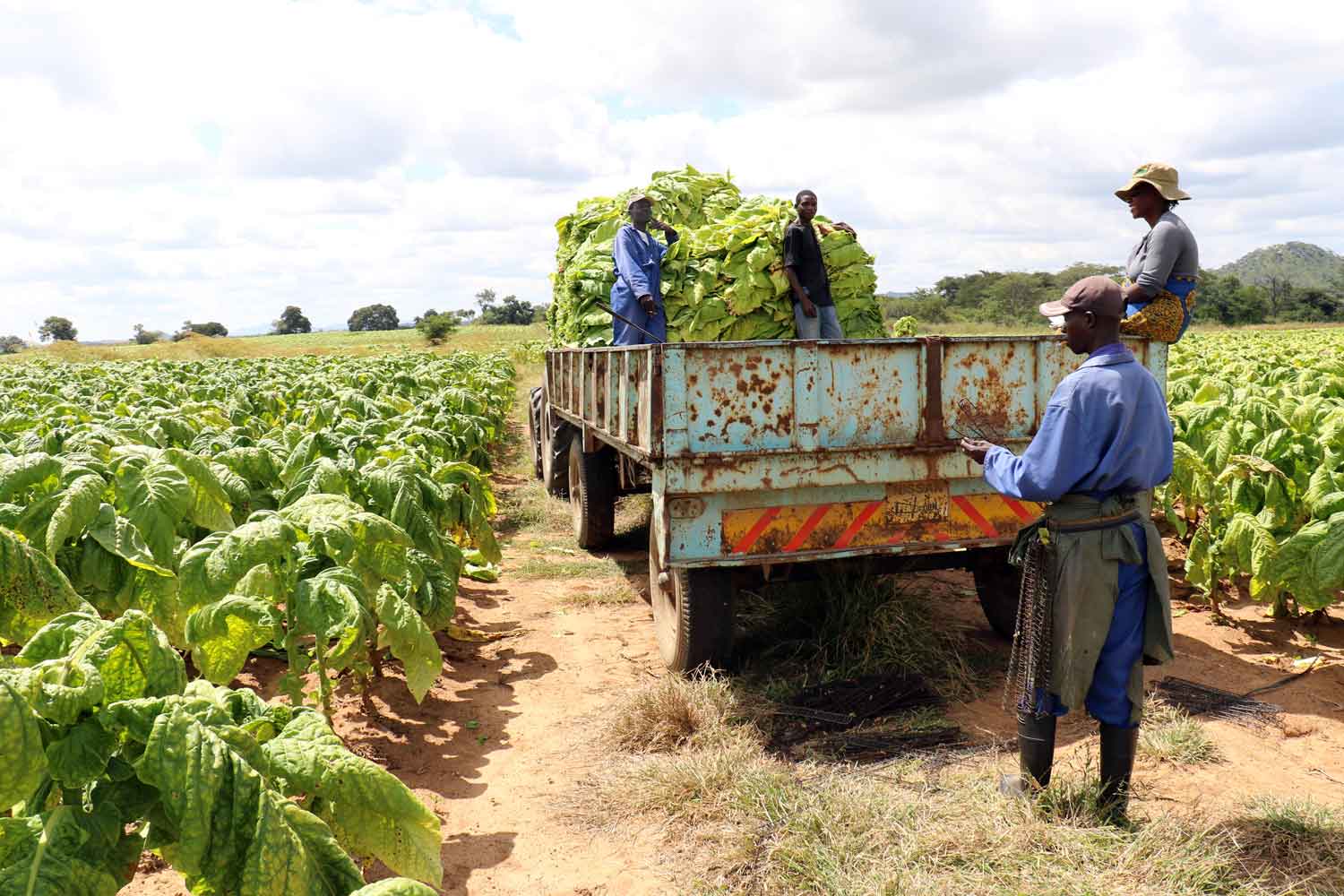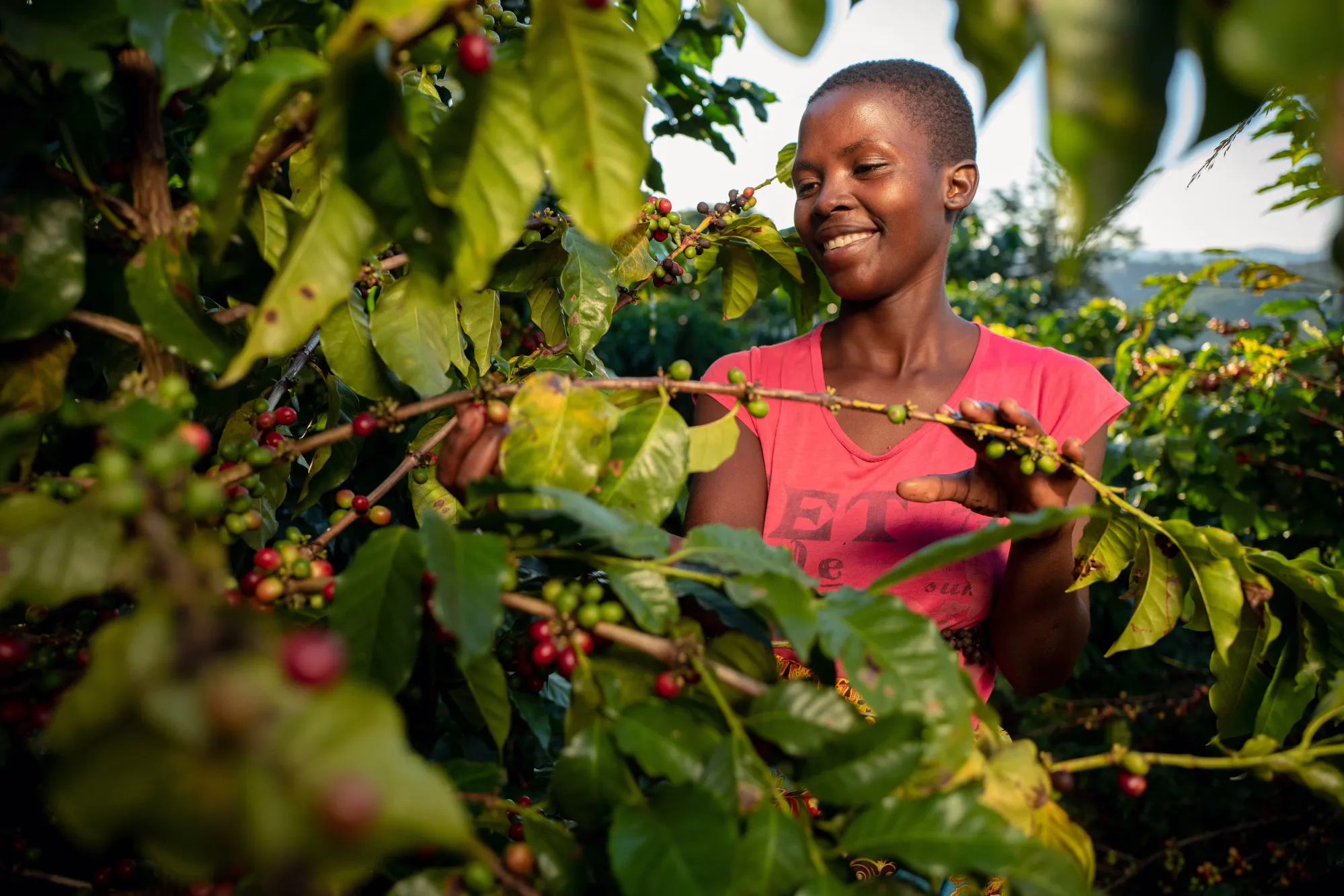
AGRO-Industrial group, Ariston Holdings, says it will continue investing in irrigation infrastructure and water management systems to strengthen climate resilience and mitigate the impact of adverse weather conditions.
The company said increasing climate variability continues to pose a major threat to operations after late rains, heat stress and strong winds negatively impacted yields and crop quality during the early part of the agricultural season.
The harsh weather conditions, Ariston said, affected key plantation crops, including tea, coffee, macadamia and bananas, raising concern about the growing financial and operational risks associated with climate change in Zimbabwe’s agricultural sector.
To counter the effects of erratic rainfall patterns and prolonged dry spells, the group has invested in irrigation infrastructure across its estates that include Kent, Roscommon, Clearwater and Southdown.
The investments include the construction of additional water reservoirs as well as continuous maintenance and upgrading of irrigation systems.
The reservoirs are expected to enhance water storage capacity across Ariston’s estates, allowing the group to better manage periods of water scarcity and sustain irrigation during prolonged dry conditions.
Ariston chief executive officer Mr Leon Nortier said strengthening irrigation capacity has become increasingly critical in ensuring stable crop development and protecting the quality of export-oriented produce.
“Ariston Holdings continues to face significant challenges from climate variability impacting yields and quality across tea, coffee, macadamia and banana plantations.
“As such, the group will continue to rely materially on its irrigation infrastructure to support production consistency. As it stands, the group has invested in irrigation infrastructure across Kent, Roscommon, Clearwater and Southdown estates, including the construction of additional reservoirs and continuous maintenance of water systems,” said Mr Nortier.
Ariston chairman Mr Michael Bailey said the company is taking advantage of the rivers that run through its estates to set up irrigation infrastructure.
“There are perennial flowing rivers that run through the Estates, which have allowed for dam construction as well as setting up irrigation equipment to assist when there are rainfall shortages,” said Mr Bailey.
Irrigation investment is becoming a strategic priority for local farming companies as climate-related disruptions continue to intensify across the region.
Erratic rainfall, recurring droughts and extreme weather events have increasingly affected crop productivity and raised operating costs for producers dependent on rain-fed agriculture.
For diversified agricultural firms such as Ariston, maintaining reliable irrigation systems is essential in preserving crop yields, maintaining product quality and protecting export earnings.
Ariston’s investment drive reflects a shift within the agriculture sector towards long-term climate adaptation strategies aimed at reducing vulnerability to weather shocks.
While irrigation infrastructure development requires substantial capital expenditure, the investments provide long-term operational benefits through improved water efficiency, production stability and reduced dependence on unpredictable rainfall seasons.
Continuous maintenance of water systems is expected to improve operational efficiency and reduce disruptions caused by ageing infrastructure and inconsistent water supply.
Zimbabwe’s agricultural sector remains one of the industries exposed to climate-related risks, with several producers increasingly adopting irrigation expansion, dam rehabilitation and water harvesting initiatives to safeguard future production.
Companies that continue to invest in climate resilience infrastructure are better positioned to withstand environmental shocks and maintain competitiveness in both domestic and export markets.-herald