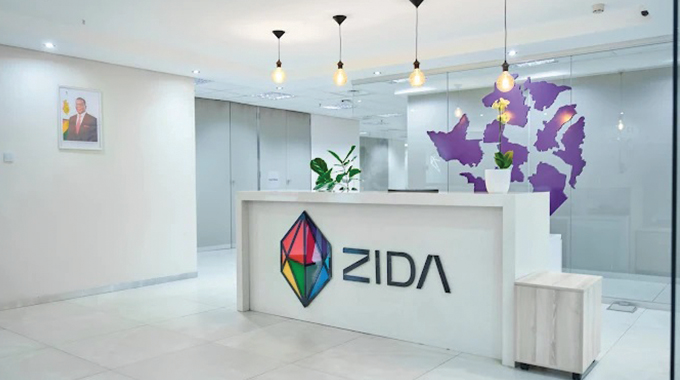
The Government has intensified efforts to attract investment after approving reforms that reduce the cost of doing business and establish a clearer framework for infrastructure partnerships between the State and the private sector.
The reforms, announced by the Zimbabwe Investment and Development Agency (ZIDA) in its 2026 First Quarter Report, are expected to strengthen investor confidence, accelerate infrastructure development and improve the ease of doing business.
Zimbabwe also recorded a 62 percent increase in projected investment value compared to the previous quarter, while domestic direct investment surged from US$4,08 million to US$102,38 million, signalling growing local investor participation.
ZIDA chief executive officer Mr Tafadzwa Chinamo said a major milestone during the quarter under review was Cabinet approval of the Public-Private Partnership (PPP) Guideline, which establishes a standardised framework for the preparation, appraisal and implementation of PPP projects.
The framework is expected to improve transparency, strengthen coordination across Government institutions and provide investors with clearer processes and risk-sharing mechanisms.
“ZIDA has made significant and measurable progress in strengthening the investment environment, despite a challenging global economic and geopolitical landscape,” he said.
“This progress has been driven by key policy developments, enhanced investor engagement, and improvements in investment facilitation.
“The period also reflects a shift towards higher-value investments and more structured investment activity, while highlighting the need to strengthen conversion and execution going forward. A key milestone during the period under review was the approval of the PPP Guideline by Cabinet, which provides a clear and standardised framework for the preparation, appraisal, and implementation of PPP projects.
“This is a significant development for Zimbabwe’s investment landscape, as it enhances transparency, improves coordination across the Government, and strengthens investor confidence through clearer processes and risk allocation mechanisms. The guideline is expected to accelerate infrastructure delivery and create a more predictable and structured environment for private sector participation. The agency continues to advance reforms aimed at improving the ease of doing business.”
The Government also moved to reduce investment licensing fees under Statutory Instruments 17 and 18 of 2026 covering General Investments and Special Economic Zones.
The fee reductions are aimed at lowering barriers to entry for both local and foreign investors as Zimbabwe seeks to enhance its competitiveness regionally and globally.
“This downward review of licensing fees is a deliberate intervention to reduce the cost of entry and enhance Zimbabwe’s competitiveness, reaffirming the country’s commitment to being a cost-competitive investment destination and signalling that Zimbabwe is open for business,” said Mr Chinamo.
The reforms come at a time when many countries are competing aggressively for foreign direct investment amid global economic uncertainty and geopolitical tensions.-herald