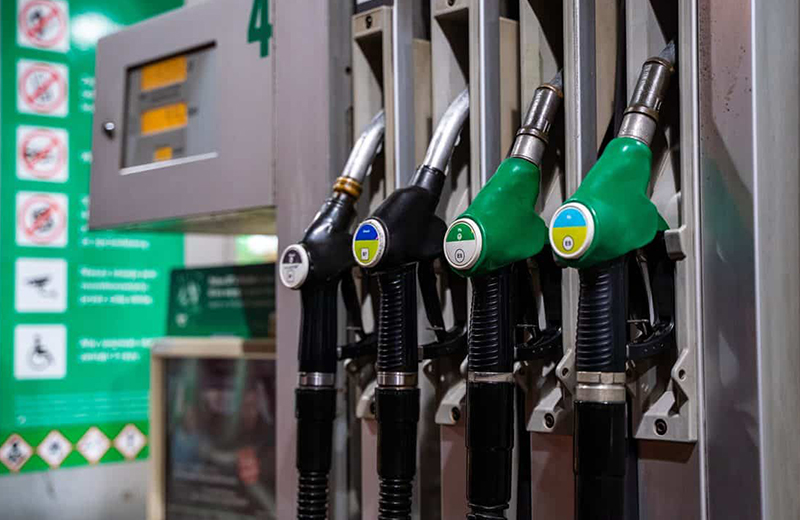
DIESEL consumption rose sharply in the first quarter of this year, signalling economic expansion across key sectors as Zimbabwe steadily emerges from years of subdued economic performance.
Aritifical Inteligence usesAritifical Inteligence uses
Latest fuel consumption figures from the Zimbabwe Energy Regulatory Authority (Zera) show that diesel usage climbed 13 percent to approximately 338,7 million litres during the first quarter of 2026, up from 281,9 million litres recorded during the same period last year.
The increase represents one of the steepest year-on-year rises in recent years and comes as the economy posted an estimated growth of about 7,5 percent in 2025, according to the International Monetary Fund.
The surge is particularly significant because it occurred despite improved electricity supply conditions; Zimbabwe has experienced several months of relatively stable power availability following years of drought-driven load shedding.
This suggests that much of the diesel consumption has not gone toward backup power supply — as has been the case in recent years — but rather toward industrial and commercial expansion.
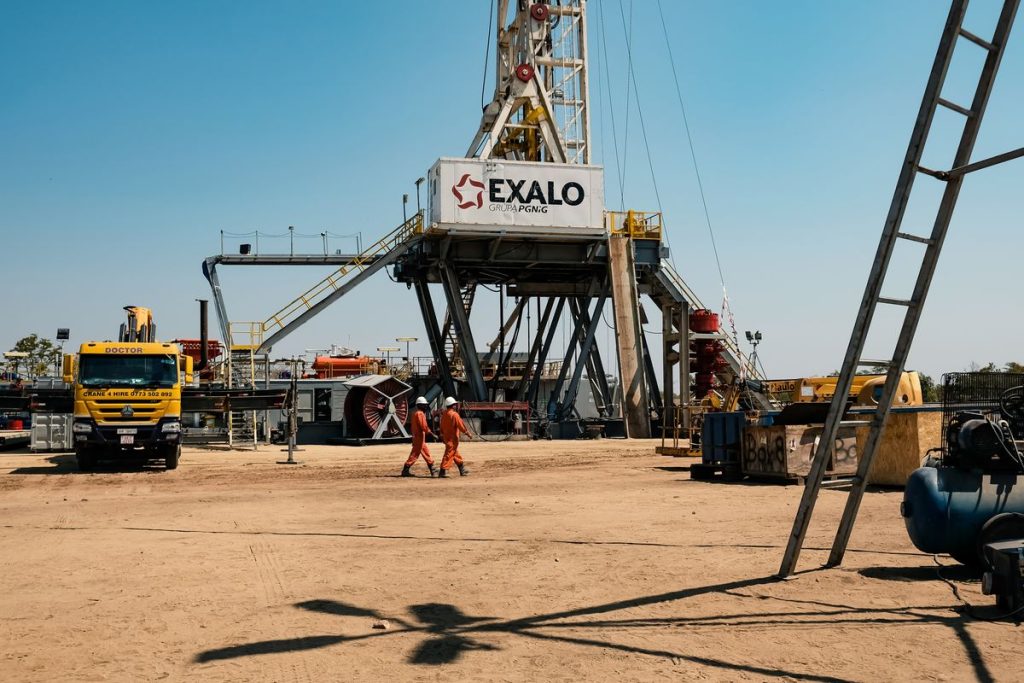
The highest consumption was recorded in the mining and construction sectors, which saw growth rates of 5,6 percent and 7,4 percent, respectively, last year.
Large-scale mining operations remain among the biggest diesel consumers due to their reliance on heavy machinery, haulage equipment, and continuous logistics systems.
At the same time, rising construction activity across both formal and informal economic segments has intensified fuel demand through road works, housing developments, quarry operations and the transportation of building materials.
The data also points to the increasingly transport-heavy nature of Zimbabwe’s growth model.
Road freight continues to dominate the movement of goods as rail infrastructure struggles to recover capacity. Increased diesel consumption is tied to higher volumes of goods moving via road, reflecting heightened domestic trade and logistics activity.
Industrialist Dr Nxaba Ndiweni said the diesel figures reflected genuine industrial activity rather than temporary distortions linked to electricity shortages.
“What we are witnessing is a broad revival in physical economic activity.
Mining production has expanded, construction sites are active, and the movement of goods has increased substantially across the country,” he said.
Dr Ndiweni noted that Zimbabwe’s industrial structure remains heavily dependent on road logistics and diesel-powered systems, particularly in mining and construction supply chains.
“In economies where rail systems are weak and industrial decentralisation is growing, diesel consumption naturally rises faster than GDP. Every tonne of cement, aggregate, fuel, or mineral output requires transportation, and most of that movement is happening through road freight,” Dr Ndiweni said.
He added that the recovery of electricity generation had altered the composition of fuel demand.
“Previously, a large share of diesel demand was linked to backup generators because of load shedding. That explanation is now weaker. The current increase reflects stronger productive utilisation within the economy itself,” Dr Ndiweni said.
Economist Mr Tinevimbo Shava said the figures also highlighted the growing influence of small and medium enterprises (SMEs) within Zimbabwe’s broader economic structure.
“The economy is becoming increasingly fragmented and transport-intensive.
Even where large-scale sectors like mining are driving output, the supporting ecosystem involves thousands of smaller operators who rely heavily on diesel-powered transport and logistics,” Mr Shava said.
Mr Shava noted that informal and SME-driven economic activity is now deeply integrated into national supply chains, particularly in construction and distribution networks.
“Zimbabwe’s informal sector accounts for a substantial share of employment, estimated at around 65 percent.
That means economic expansion increasingly involves decentralized movement of goods, smaller deliveries, and higher road usage. All these factors increase fuel intensity,” Mr Shava added.
He noted that diesel consumption growing faster than GDP suggested the country’s expansion remains infrastructure-heavy rather than efficiency-driven.
“In more industrially advanced economies, output growth eventually becomes less dependent on fuel consumption.
Zimbabwe is still at a stage where growth translates directly into increased physical movement of goods and materials.”
Economist Ms Ruvimbo Chikoore said the latest figures may also reflect rising regional transit activity and stronger domestic demand conditions amid improving macroeconomic stability.
“When confidence and business activity improve, freight volumes naturally increase. Imports, construction materials, mining inputs, and consumer goods all require transportation and Zimbabwe remains predominantly road-based in terms of logistics,” she said.
Ms Chikoore said the diesel increase should not necessarily be viewed negatively, as fuel demand often rises during periods of industrial recovery.
“The important issue is whether the increase reflects productive activity or consumption distortions. In this case, the evidence points more toward genuine economic utilization, especially given the expansion recorded in mining and construction,” she said.
However, she warned that the figures also exposed structural vulnerabilities.
“A modern economy cannot indefinitely rely on diesel-intensive growth.
Over time, investment into rail rehabilitation, energy efficiency and integrated industrial systems becomes necessary to reduce logistics costs and improve competitiveness,” Ms Chikoore said.
The latest consumption trends are likely to strengthen the debate over the long-term structure of Zimbabwe’s economic recovery, particularly as policymakers seek to balance industrial expansion with infrastructure modernization and energy efficiency.-herald