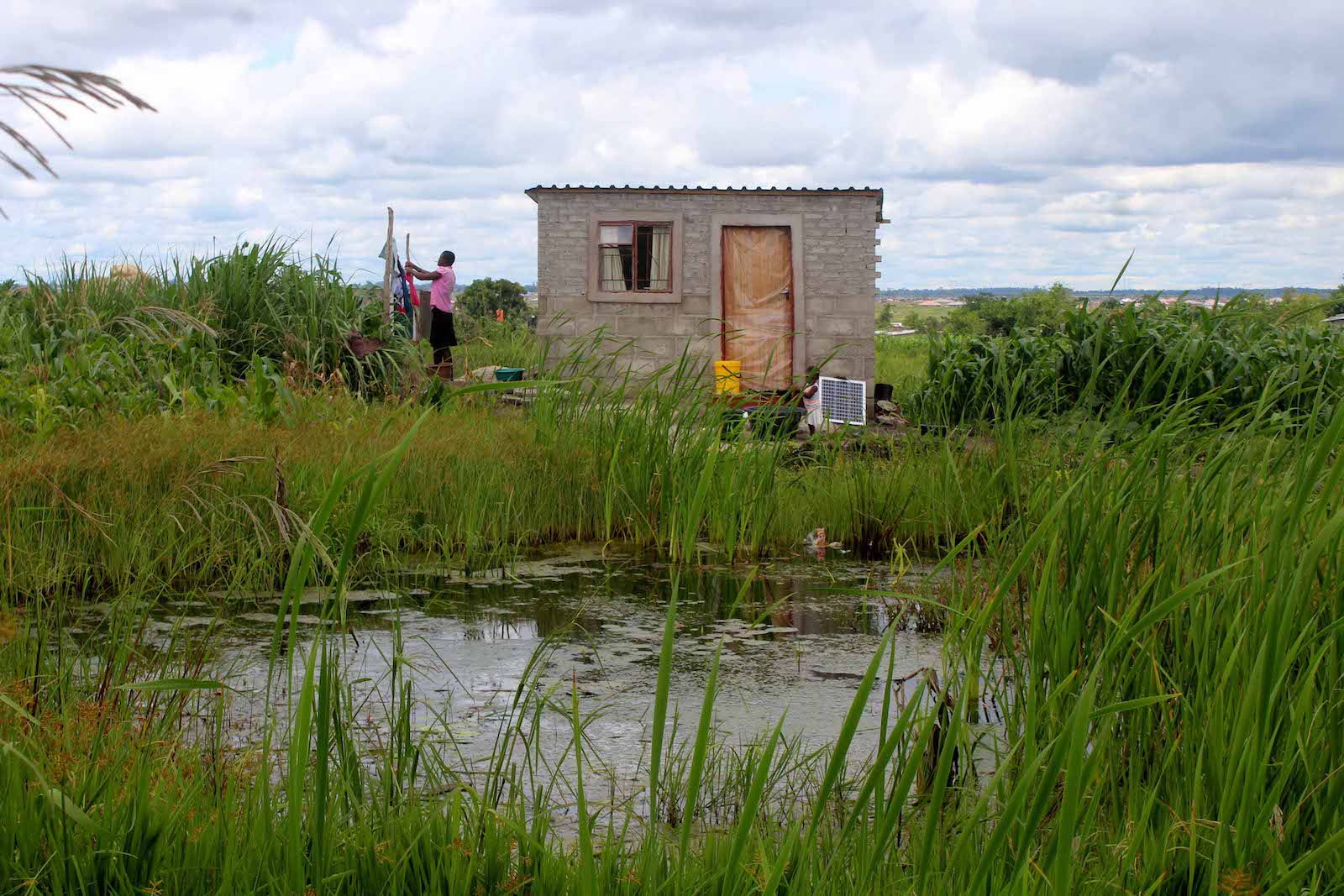
Harare is expanding at a record pace in 2026, but this vertical growth is masking an ecological crisis as the city’s vital sponges are systematically buried under layers of cement.
These wetlands, known locally as vleis, are not merely idle, waterlogged plots of land, they are sophisticated natural infrastructure that perform flood attenuation, groundwater recharge and biodiversity buffering.
In a city where municipal water supply is increasingly precarious, these ecosystems act as natural filters and reservoirs, soaking up summer downpours like massive sponges and slowly releasing purified water into the water table to replenish the boreholes and wells that now serve as the primary water source for millions of residents.
The legal framework intended to protect these resources is remarkably clear yet consistently bypassed, with the Water Act [Chapter 20:24] and the Environmental Management Act (EMA) [Chapter 20:27] forming a dual-layered shield that prohibits any reclamation, drainage or disturbance of a wetland without a rigorous Environmental Impact Assessment (EIA).
Under Zimbabwean law, specifically Section 113 of the EMA Act, any person who disturbs a wetland without written authorization is committing a punishable offense, yet the agency’s own reports reveal a troubling trend where legacy developments and high-profile projects continue to encroach on these sensitive zones.
EMA’s 2026 status reports highlight that while they are targeting the restoration of 250 000 hectares of degraded wetlands by 2030, current urban pressure is causing wetlands to disappear three times faster than forests, directly contributing to the worsening flash floods seen in suburbs like Budiriro and Monovale.
The contradiction between environmental policy and urban reality is best exemplified by landmark facilities like Longcheng Plaza in Belvedere and the sprawling Museum of African Liberation project in Warren Park, both of which sit atop critical catchment areas.
These developments often proceed because of a fractured approval process where the Harare City Council allocates land for commercial value or urban expansion and the Environmental Management Agency is then pressured into granting retrospective certificates or environmental management plans (EMPs) for projects that are already in motion.
Land barons and developers often argue that modern engineering, such as reinforced deep foundations and artificial drainage canals, can mitigate the impact, but environmentalists argue this is a fallacy.
When a wetland like the Monovale vlei is built over, its catchment area is hardened, meaning that instead of the soil absorbing water to recharge Lake Chivero, the water runs off as a destructive torrent, carrying silt and waste that increases the cost of city water treatment to unsustainable levels.
Ultimately, the sign-offs for these approvals often fall into a grey zone between local government zoning and national environmental regulation, where political willpower and commercial interests frequently override the technical warnings issued by ecological experts.
As Harare continues to trade its natural water-management systems for short-term real estate gains, the ecological bill is already coming due.
The loss of these wetlands means the city is effectively increasing the risk of floods, leaving residents to face a future of higher flood risks and a rapidly sinking water table that no amount of engineering can truly replace.-newsday