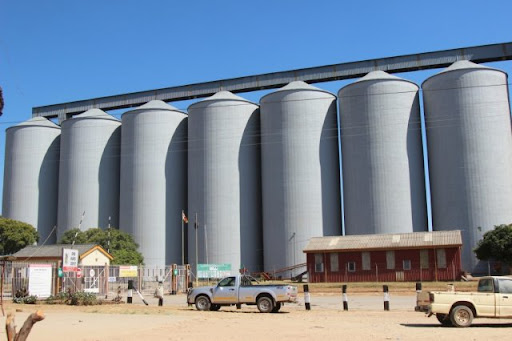
FARMERS have called on the Grain Marketing Board to process payments for grains and oilseed deliveries within the stipulated 30-day period to maintain viability.
This came after the recent announcement of producer prices for the 2026 marketing season by the parastatal.
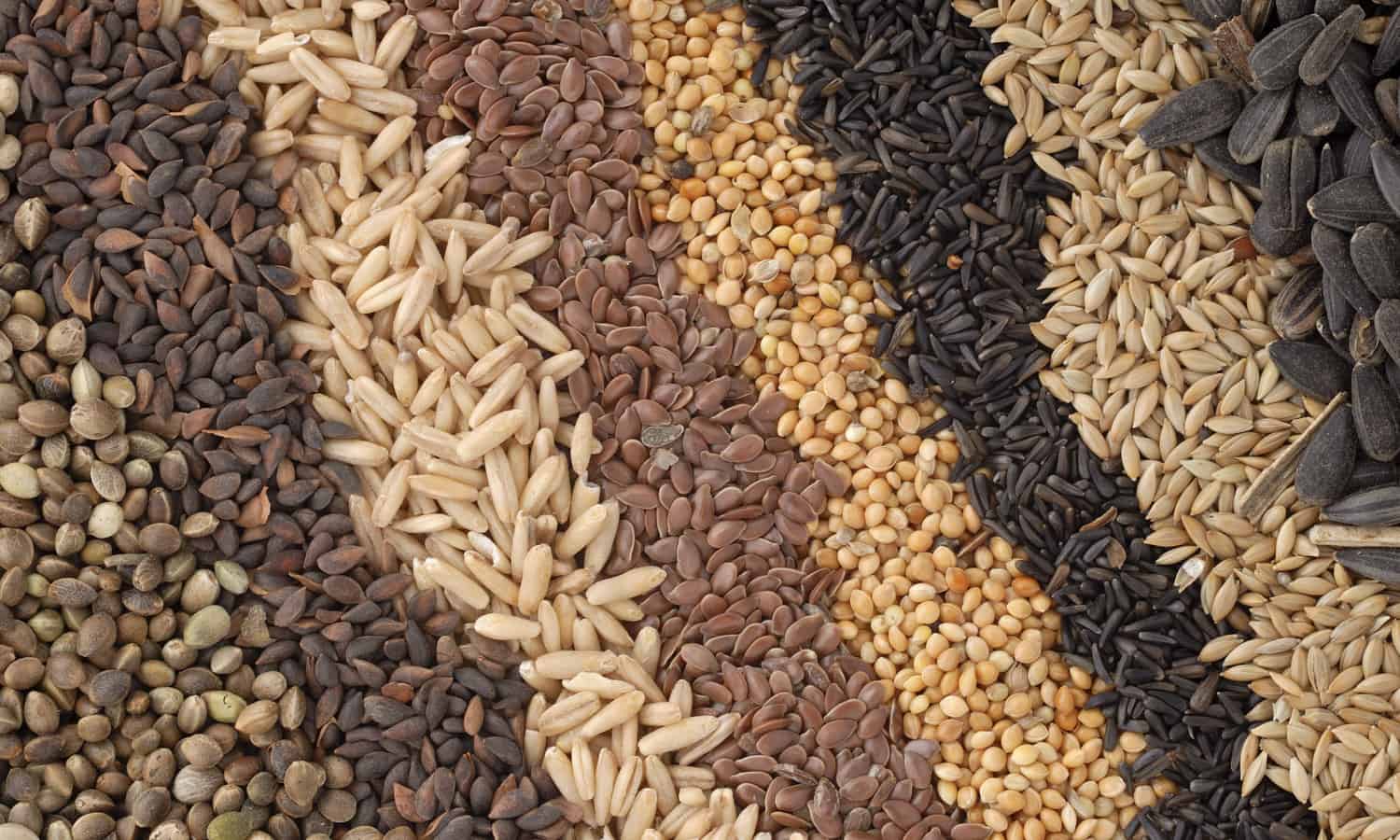
GMB announced a producer price of US$364,75 per tonne for maize and traditional grains, while soya bean and sunflower would fetch US$583,01 and US$670,46 per tonne respectively.
Last year, maize and traditional grains were bought at US$376,48 per tonne, with soya bean at US$580 and sunflower at US$668,98.
GMB said it would primarily purchase produce from farmers financed under the Presidential Input Programme (PIP) and would act as the buyer of last resort for uncontracted farmers.
It added that contracted farmers would sell to their contractors, while self-financed growers could sell to the ZMX under the warehouse receipt system (WRS) and spot market trading.
Farmers have, however, urged buyers to pay on time so that they would be able to break even.
Zimbabwe Farmers union (ZFU) secretary general, Mr Paul Zakariya, said the prices should have been a bit firmer to cater for the local high cost of production.Zimbabwe Business Directory
He noted with concern that producer prices remained depressed while costs were spiking.
He added that a lot needed to be done to tame the rise in costs, and that some suppliers might be taking advantage of the geopolitical situation in the Middle East to fleece farmers.
Zimbabwe National Farmers union (ZNFU) president, Mrs Monica Chinamasa, said the announced price was just a guide that farmers could use when negotiating with private buyers.
She said it was just the minimum price that farmers could quote when negotiating with buyers, and that it was not great.
She added that the GMB had to ensure farmers were paid on time if they were to take farming as a business.
However, Livestock and Meat Advisory Council (LMAC) and Stockfeed Manufacturers Association of Zimbabwe (SMAZ) executive administrator, Dr Reneth Mano, said the prices would motivate farmers to sell their grain to the GMB.
He explained that the Government announced incentive producer prices every year for GMB to buy grains for Strategic Grain Reserve (SGR) purposes.
Dr Mano said delayed payments discouraged farmers from selling their produce towards the SGR, especially now that farmers enjoyed a multiplicity of private grain marketing options that paid in foreign currency.
He emphasised that prompt payment for grain sales delivered to buyers was the best incentive that every farmer in Zimbabwe wanted.
Dr Mano added that delayed payments had eroded a four to ten per cent initial difference between the GMB buying price and the competitive free market foreign currency price that the private sector was offering.
The Government had liberalised the domestic agricultural marketing system, he noted.
He said this was meant to ensure agricultural grains and oilseeds were traded freely and fairly between farmers and private sector players at competitive prices that were determined by the forces of supply and demand, without involving the billing of Treasury to pay any subsidies.
“For the 2026 marketing season, the industry has strengthened direct marketing arrangements by partnering with the Zimbabwe Mercantile Exchange (ZMX) in conducting demand-driven weekly grain auctions that will ensure that farmers across the country are able to sell their maize directly to grain processing companies at the highest possible cash price,” he said.-herald