ZIMBABWE’S economy remained on a firm growth path in the first quarter of 2026, demonstrating resilience amid global geopolitical tensions, with authorities ready to cushion key sectors from external shocks.Zimbabwe Economic Reports
The ongoing Middle East conflict has ushered in significant cost pressures globally, including higher prices for energy and agricultural inputs, FBC Securities said in its first-quarter review. However, Zimbabwe’s policy framework and reform momentum continued to anchor stability.
“The conflict has transmitted through several channels. Brent crude’s surge from the low US$70 to over US$110 has raised transport costs, electricity generation costs, and production costs for all sectors,” the securities firm said.
Despite this, the firm noted that the domestic economy has absorbed the initial shocks in an orderly manner, supported by prudent fiscal and monetary management.
The Middle East crisis has negatively affected about 40 percent of Zimbabwe’s petroleum imports. While fuel prices have adjusted in line with global trends, the impact has been managed within broader stabilisation efforts.
The assessment tallies with assertions by Industry and Commerce Minister Nqobizitha Mangaliso Ndlovu, who has said the prices of most basic commodities in Zimbabwe have remained relatively stable despite cost pressures from surging energy prices triggered by the ongoing Middle East crisis.
Minister Mangaliso Ndlovu
Speaking at a dialogue on geopolitical risks hosted by a regional economic think tank, Africa Economic Development Strategies (AEDS), at the Rainbow Towers on April 9, Minister Ndlovu noted that most businesses had absorbed the rising costs and not passed them on to consumers, including those in logistics-heavy sectors. He highlighted that the Government’s monitoring of a 14-product “basic basket” shows minimal price movement across the board.
Agriculture, a strategic pillar of the economy, has also faced external pressures, particularly from rising fertiliser prices linked to disruptions in global supply chains. A survey by the Confederation of Zimbabwe Industries (CZI) found that the US-Israeli war against Iran, which started on February 28, 2026, has negatively impacted businesses across key sectors of Zimbabwe’s economy in several ways, including rising operational costs, raw material shortages, and higher energy costs.Zimbabwe Economic Reports
Ocean carriers have rerouted vessels away from the Gulf and the Red Sea, taking longer routes around the Cape of Good Hope, which adds 8 to 15 days to Asia-Europe container transit times. War-risk maritime insurance premiums have surged, with some insurers withdrawing cover for the region. This has led to sharp increases in oil and gas prices and heightened market volatility across global markets.
Air freight is also heavily affected, with airspace in the region closed and major carriers suspending flights to the Middle East.
The survey results from 140 respondents found that over 99 percent of local firms reported disruptions, with many forced to hold more expensive buffer stock or find alternative, higher-cost suppliers to ensure certainty.
FBC Securities said that urea and DAP prices have risen by an estimated 25 to 30 percent, reflecting international developments rather than domestic weaknesses. Even under a moderate disruption scenario, the firm projected that fertiliser prices could rise further.
However, ongoing Government interventions and support mechanisms for farmers were expected to cushion producers and safeguard national output.
Zimbabwe continues to rely on imports of key fertiliser inputs such as urea, ammonia, sulphur, and phosphates from global markets, including the Gulf region.Zimbabwe Economic Reports
“Increased freight costs into regional corridors have added to pricing pressures, though authorities have been actively working to ensure consistent supply to the agricultural sector,” the securities firm said.
The review also highlighted potential risks to remittance inflows from Zimbabweans working in Gulf economies.
These inflows remain a critical support for household incomes; while a prolonged conflict could weigh on them, the country’s diversified diaspora base provides an important buffer. Investment flows from Gulf sovereign wealth funds into sectors such as mining and renewable energy may experience short-term delays. However, Zimbabwe’s long-term value proposition, underpinned by vast mineral resources and ongoing reforms, continues to attract global interest.
FBC Securities further observed tightening conditions in global trade finance. “Letters of credit and trade credit lines are becoming more expensive as international banks reassess risk. Nonetheless, Zimbabwe’s improving macroeconomic fundamentals were expected to sustain confidence among strategic partners,” the report stated.
Encouragingly, the firm maintained a positive outlook for the broader economy. “Zimbabwe’s economy is expected to continue its stabilisation trajectory in 2026, with growth moderating to a more sustainable pace following the strong rebound of 2025,” FBC Securities said.
Zig
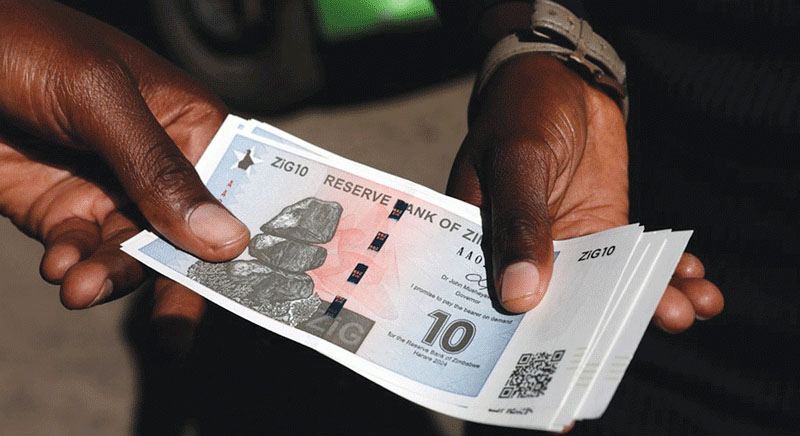
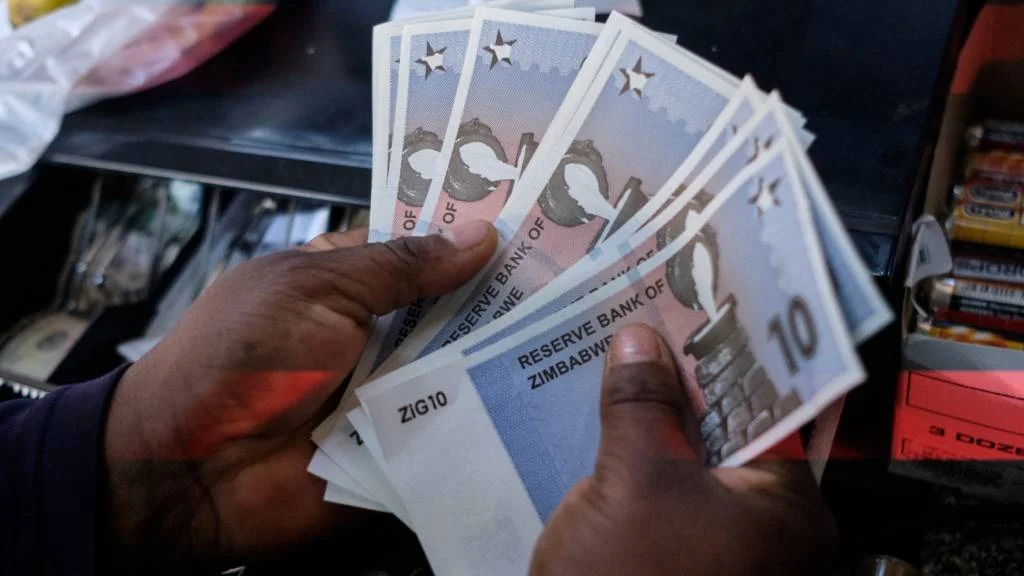
Tight monetary policy, credited with anchoring inflation and stabilising the ZiG, is expected to remain in place in the near term, reinforcing macroeconomic discipline. Authorities retain the capacity to gradually ease conditions in line with improving price stability. The ZiG annual inflation rate recorded a marginal increase, rising to 4,4 percent in March 2026 from 3,8 percent in February, according to the Zimbabwe National Statistics Agency, broadly reflecting resilience and stability across the economy.Zimbabwe Economic Reports
Finance, Economic Development and Investment Promotion Minister Mthuli Ncube has ruled out any downward revision of Zimbabwe’s 2026 growth projections, insisting that solid economic fundamentals and a strong start to the year justify maintaining the current outlook. Improved agricultural output prospects and recovering gold deliveries, supported by recent policy measures, were cited as key buffers against external shocks.
Zimbabwe remains on a strong footing, with steady progress anticipated across major sectors. FBC Securities underscored that continued reforms and strategic policy calibration would enable the country to navigate global headwinds while sustaining its economic transformation agenda.=herald