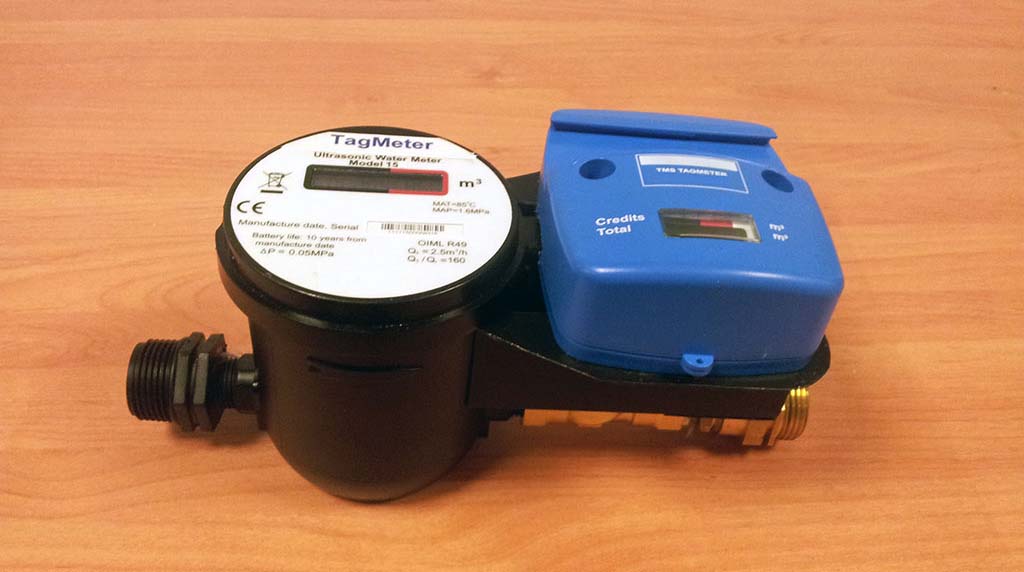
THE announcement that the Bulawayo City Council (BCC) is set to roll out 2 500 smart prepaid water meters across the Central Business District (CBD) by the end of 2026 marks a shift in the city’s administrative philosophy.
For too long, the “City of Kings” has been hamstrung by the twin spectres of erratic water supply and a billing system plagued by estimations and arrears. By pivoting toward smart technology, the local authority is not merely upgrading hardware; it is installing a foundation for fiscal transparency and resource sustainability that will resonate far beyond the city limits.
For the city itself, the primary benefit lies in the radical modernisation of revenue collection. The current reliance on estimated billing has often resulted in a friction-filled relationship between the council and the public, leading to a mounting debt that stifles service delivery. By transitioning to a “pay-as-you-go” model for commercial properties and high-consumption users, the BCC can secure an immediate, predictable cash flow.
This capital is the lifeblood required to repair ageing infrastructure and expand the city’s fleet of service vehicles, effectively turning a cycle of debt into a cycle of reinvestment.
Furthermore, the integration of WhatsApp bots and dedicated debt management units signals a city that is finally embracing the Fourth Industrial Revolution to solve age-old municipal headaches.
For the residents and business owners of Bulawayo, the move offers a new-found sense of agency and fairness. The frustration of receiving an “estimated” bill that bears little resemblance to actual usage has been a long-standing grievance. Smart meters eliminate this ambiguity, ensuring that every cent spent correlates directly with a litre consumed.
This transparency empowers businesses to manage their overheads with precision and encourages a culture of conservation. In a region where water is a precious, finite commodity, the psychological shift from passive consumption to active management is essential. When users can track their usage in real-time, the incentive to fix leaks and reduce waste becomes financial as well as moral, ultimately preserving the city’s precarious water table for everyone.
On a national level, Bulawayo’s initiative serves as a vital blueprint for urban management across Zimbabwe. As the country seeks to achieve “Upper-Middle-Income Economy” status, the digitisation of utility services is a non-negotiable prerequisite. The BCC’s pragmatic approach — which includes debt swaps with government parastatals and flexible payment plans — demonstrates a sophisticated understanding of economic recovery.AI strategy consulting
By proving that smart metering can work in a complex urban environment, Bulawayo is leading the charge toward national water security. Successful implementation here provides the evidence-based confidence needed for other municipalities to follow suit, potentially stabilising the national utility grid and fostering an environment that is far more attractive to international investors.
Ultimately, the rollout of these 2 500 meters is a statement of intent. It says that Bulawayo is no longer content with “making do” with outdated systems. By marrying technology with accountability, the city is securing its future, one drop at a time.