Zimpapers correspondentBusiness news subscription
DALNY Mine, a subsidiary of multi-commodity miner RioZim, has successfully transitioned from care and maintenance to a thriving community-led production model through a massive tribute mining scheme that has revitalised the local economy.
Artisanal miners in Chakari are making a decent living from gold mining, with some earning up to $25 per day, especially during peak seasons. The area is known for its rich gold deposits, attracting many small-scale miners. In fact, artisanal and small-scale miners contribute significantly to Zimbabwe’s gold production, accounting for around 75% of the country’s gold output in 2025.
The government has implemented policies to support these miners, such as allowing them to retain 100% of their foreign currency earnings, which has boosted growth in the sector. However, many artisanal miners still face challenges, including limited access to modern equipment and finance, which hampers their ability to maximise value extraction.AI technology implementation
A new investor Dalny company, has brought a mining initiative, which comprises 140 active tributes—125 small-scale and 15 large-scale projects—has effectively ended a period of economic “darkness” for the Chakari community, which had been left without a source of livelihood following the mine’s initial closure.
On average, each tribute employs approximately 60 small-scale miners drawn directly from the local community.
This collective effort has successfully accommodated thousands of workers who were previously unemployed, creating a sustainable “bottom-up” economic recovery.
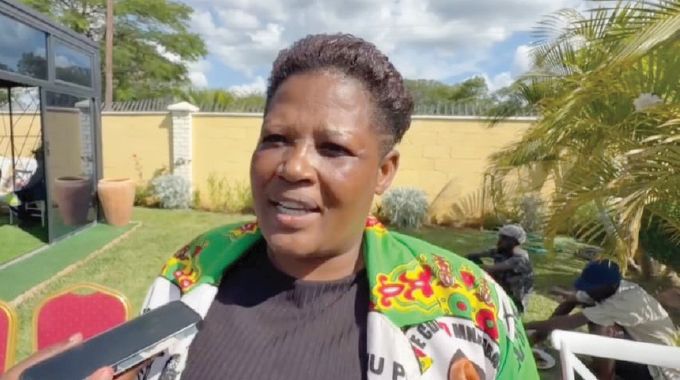
Speaking during a site tour, Dalny Mine Head of Operations, Mr Nirav Kumbhar, said the company introduced the tribute scheme to benefit both the community and the firm, ensuring a sustainable source of income for local families.
“Initially, when the mine went under care and maintenance, the Chakari community went into darkness. There was no livelihood and no business flourishing,” Mr Kumbhar said.
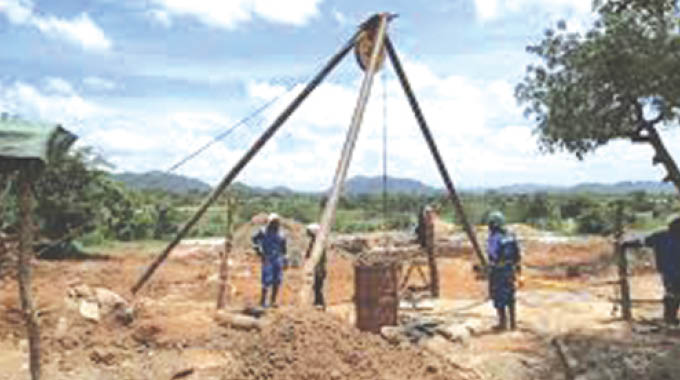
“We have given out tributes whereby people are allowed to do mining. The company provides them with a plant to mill their ores and transport to carry their ores from the tributes to the mines free of cost.”
Under the arrangement, community members retain the proceeds from the “free gold” extracted, while the company processes the remaining sands.
Mr Kumbhar emphasised that the modest benefits accrued by the company are reinvested into essential community infrastructure.
“That money is plunged back into the community for the upliftment of projects such as the clinic, maternity ward, and water distribution plant, which supplies the community,” he said.
The socio-economic impact of the scheme has also extended to the fight against substance abuse.
Smrac company General Manager, Mr Mukudzei Nyevedzanai, whose firm is also a beneficiary of the tribute system, noted that the programme has absorbed approximately 90 per cent of the local unemployed workforce.
Mr Nyevedzanai said the disciplined nature of the mining operations, coupled with strict testing for alcohol and drugs, has acted as a deterrent to the “drug menace” currently affecting many communities.
” The Tribute Scheme has been of great help to the Chakari community as it created employment opportunities. ”
“Different tributes have employed many youths, and this has kept them busy, thereby reducing the menace of drug and substance abuse,” he said
“The Tribute arrangement has come at the right time as the country is gearing towards the 2030 vision mantra of the Second Republic,” he added
“When someone is occupied, you don’t find cases of drug and substance abuse. We do tests for alcohol and some drugs. Once they take drugs, obviously, they are out of employment,” Mr Nyevedzanai said.
On the production front, operations are on an upward trajectory.
Mr Nyevedzanai reported that production at his site is rising and he expects 100 tonnes per day.
Despite the increase in output, management maintains a “safety-first” approach, utilising advanced ventilation systems and strict Standard Operating Procedures (SOPs).
“Our trust is to make sure the area is safe. We have standard operating procedures which are followed religiously. We don’t have many incidents; we are doing okay,” Mr Nyevedzanai added.
Another beneficiary, Mr Brandon Dube, said they had managed to employ over 120 miners.
“We have contracted more than 120 small-scale miners under tribute agreements. These miners have seen significant improvements in their livelihoods through these tributes, which in turn help bolster the local economy. Additionally, we prioritise employing youth from the local community to provide them with stable opportunities and steer them away from unproductive activities.”
For Mr Patson Watson, the tribute scheme has been life-changing.
“I am grateful that since I began working here last year, I have been able to provide for my children,” he said. “My life has transformed, and I encourage other small-scale miners to join this initiative.”-herald