THE Netherlands has maintained its position as Zimbabwe’s leading importer of fresh produce, with Harare’s trade surplus with the European nation rising by 123 percent from US$18 million in 2022 to US$40 million last year.
Before the Netherlands’ dominance, the United Kingdom was the primary destination for Zimbabwean horticultural exports throughout the 1990s and early 2000s.
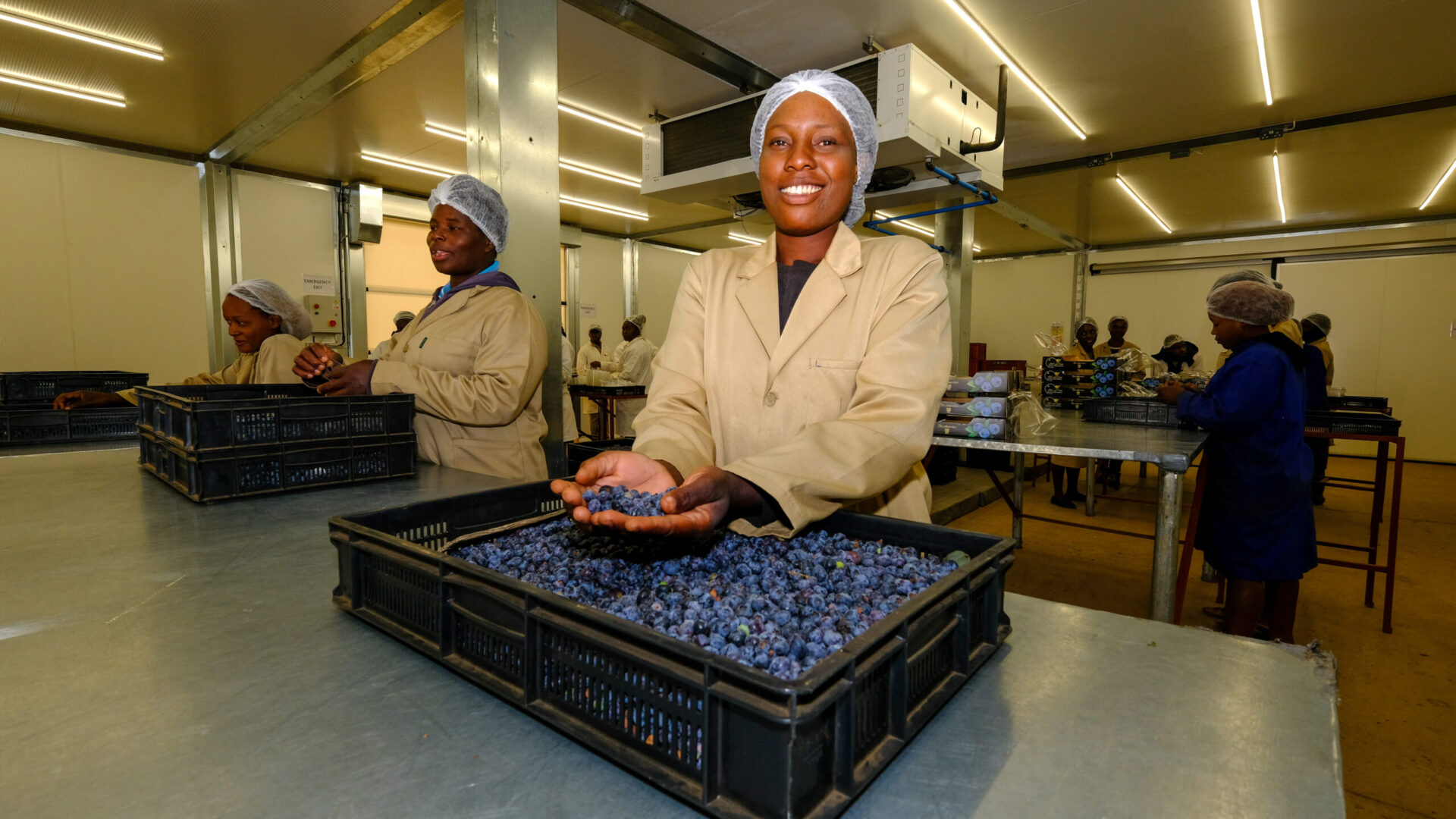
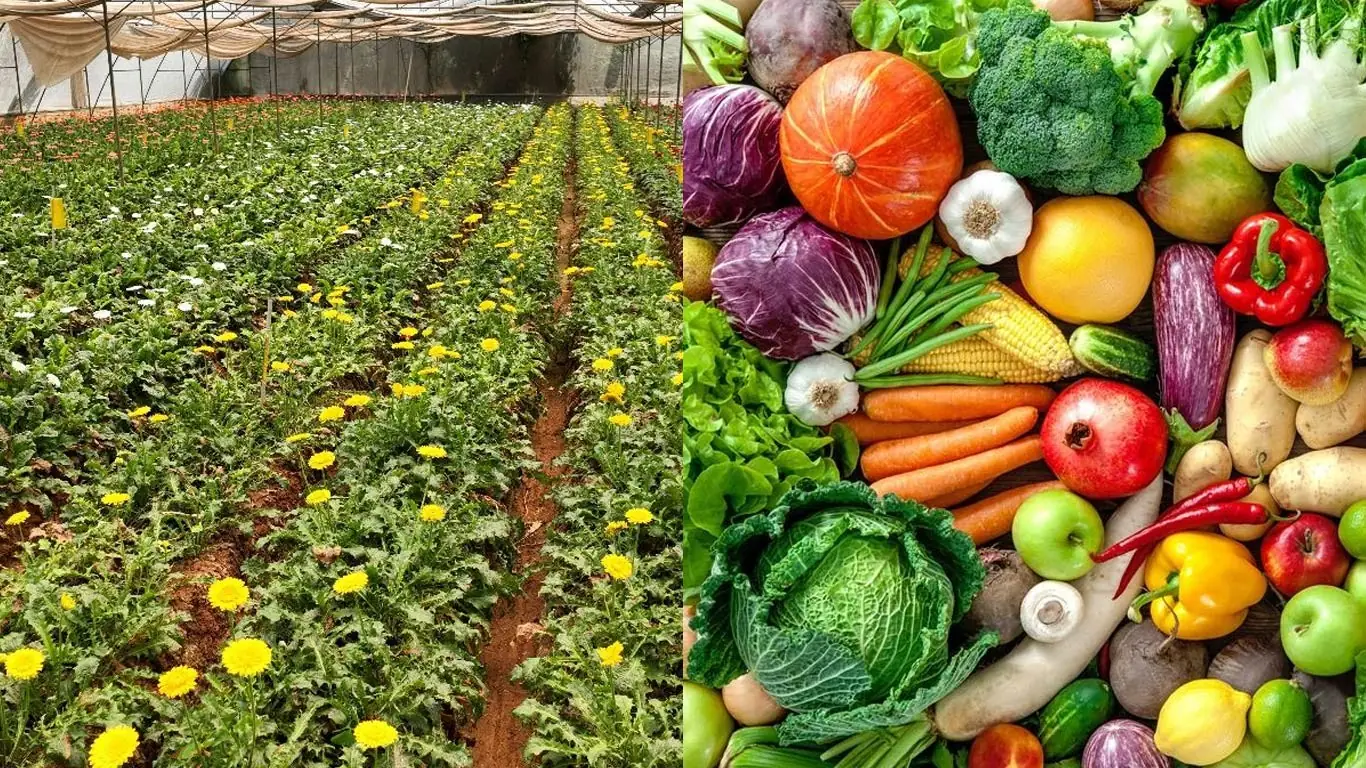
Among the goods now flowing into the Dutch market are edible fruit and nuts (including citrus and melon peel) worth US$33 million, live trees and other plants — such as bulbs, roots, cut flowers and ornamental foliage — valued at US$8 million, and edible vegetables and tubers worth US$4 million.
The Dutch Embassy confirmed the country’s top position through a statement on its X platform, noting the strong economic ties between The Hague and Harare. “The Dutch-ZimTrade long-standing partnership is energising exports from Zimbabwe to the Netherlands and the European Union (EU) by upskilling local companies, building market linkages and developing inclusive, sustainable supply chains from the ground up,” said the Embassy.
Figures from the Zimbabwe National Statistics Agency (ZimStat) show that Zimbabwe has enjoyed a trade surplus with the Netherlands since 2022, following a US$24 million deficit recorded in 2021. In 2022, Zimbabwe exported goods valued at US$48 million to the Netherlands while importing US$30 million, resulting in a US$18 million surplus.
A trade surplus occurs when a nation exports more than it imports, and the trend strengthened last year as the Netherlands imported US$68 million worth of products from Zimbabwe while exporting US$28 million in return, giving Harare a positive balance of US$40 million.
The Netherlands currently accounts for nearly 60 percent of Zimbabwe’s horticultural export market. Other products shipped to the bloc include vegetables, fruit, nuts, plant products, coffee, tea, mate and spices.
Zimbabwe’s horticultural products continue to benefit from Economic Partnership Agreements (EPAs) between the European union and African, Caribbean and Pacific (ACP) nations. These permanent trade and development frameworks aim to reduce poverty by shifting partnerships from aid to trade and investment. EPAs grant duty and quota free access for exports to the EU, except for arms, and allow exporters to use flexible rules of origin to source inputs globally without losing preferential access.
EPA partners, including Zimbabwe, do not pay tariffs on exports to the EU but gradually open around 80 percent of their own markets to European products over long transitional periods. Protective safeguards can be activated when sudden increases in EU imports threaten local markets. The agreements are designed to help ACP countries diversify their economies and develop higher-value industries beyond raw commodities.
Zimbabwe aims to grow its horticulture sector into a US$2,5 billion industry by 2030. To reach that target, the area under production is expected to expand from the current 90 000 hectares to 145 000 hectares, creating an estimated 586 650 new jobs and improving rural livelihoods.
The country’s horticultural output includes tea and coffee, citrus, berries, nuts, vegetables, spices, herbs, flowers, avocados, cuttings and a wide range of deciduous and other fruits.-herald