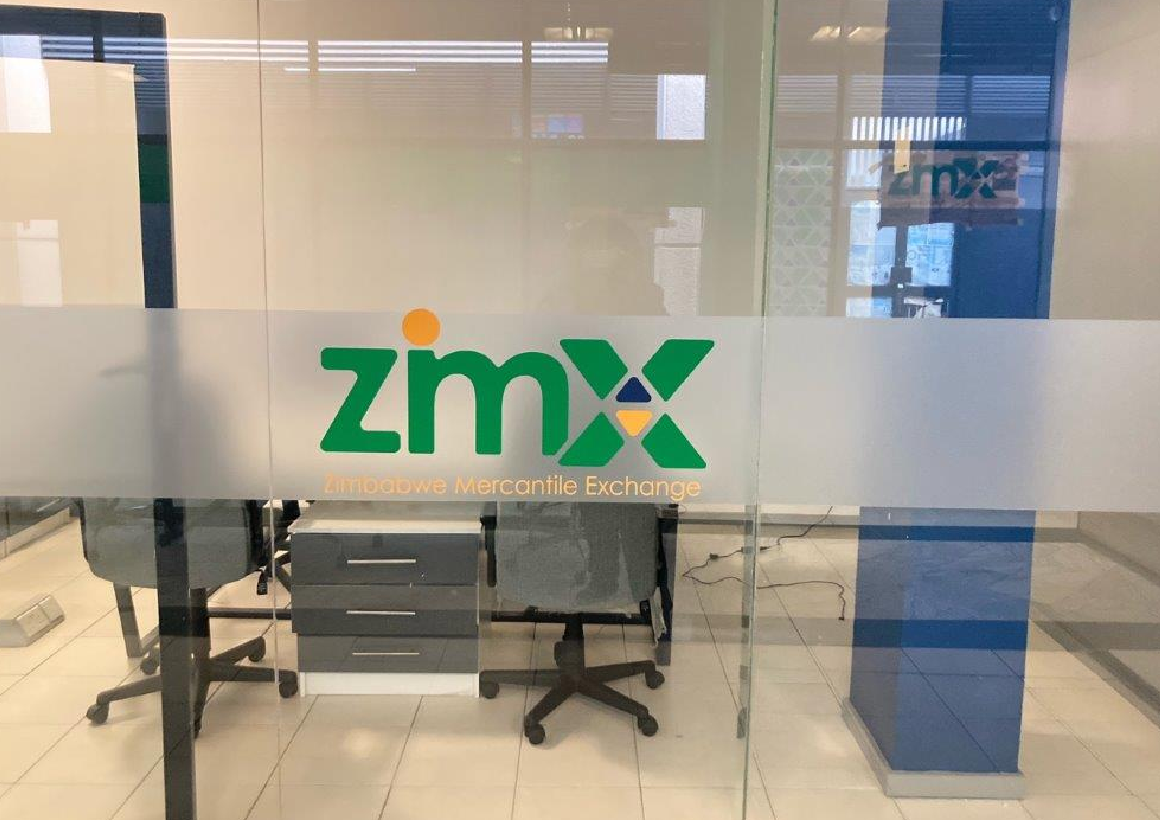
SMALL and medium-scale millers are set to benefit from new trade finance facilities offered by the Zimbabwe Mercantile Exchange to ease access to grain while strengthening the country’s agricultural supply chains.
This follows the Government’s disclosure that the ZMX trading platform would take centre stage in the domestic marketing of agricultural commodities.
The Grain Marketing Board used to be the sole buyer of grains before the Government liberalised the market.
According to the 2026 National Budget, ZMX intends to enhance the effectiveness of its commodity trading platform and its warehouse receipt system by expanding accessibility of its services across the country.
This will ensure that small-holder farmers can access secure storage for transparent pricing and commodity-based financing, without traditional collateral.
The Government’s role in agriculture through the Grain Marketing Board (GMB) will remain limited to the purchase and management of strategic grain reserves and providing storage facilities for ZMX.
ZMX chief executive, Mr Collen Tapfumaneyi, said that through structured commodity-based trade finance facilities, ZMX is linking financiers with pre-vetted agro-processors, who require short-term working capital to purchase grain from the spot market.
The initiative enables millers to pay farmers promptly upon delivery, a move expected to improve liquidity for producers and ensure smoother grain movement across the value chain.
“Under the facility, each transaction is backed by verifiable trade documentation such as purchase contracts, receivables, or forward sale agreements. This structure provides transparency and security for financiers, while allowing millers to procure grain without the heavy upfront capital typically required,” he said.
ZMX disclosed that the platform was particularly well-suited to small-scale millers, who often face challenges accessing conventional bank financing due to limited collateral or lengthy approval processes.
By tying financing directly to confirmed trade flows and commodity movement, risk is reduced and access to capital becomes more predictable.
Elaborating on the mechanism, the ZMX indicated that an agro-processor begins by submitting a trade finance request to them, supported by a valid purchase order or supply agreement.
ZMX then conducts due diligence, assessing the buyer’s profile, documentation and transaction structure. Once packaged, the opportunity is presented to participating financiers for review.
“Upon approval, a tripartite agreement is signed between the financier, the agro-processor and ZMX.
“Financing is then disbursed directly through ZMX, allowing grain to be released to the miller in line with agreed terms,” he said.
Repayment is made from sales proceeds, with collections structured through escrow accounts, assigned receivables or direct proceeds delivery.
An escrow account is a secure, third-party-held account for funds or assets during a transaction, ensuring both buyer and seller fulfil their promises before money is released.
ZMX said the trade finance facility was commodity-based and tailored to short trade cycles, with indicative tenures ranging from 30 to 90 days.
“Financing amounts vary depending on the quantity and price of grain required. Security is primarily transaction-backed, relying on agro-processor receivables or other acceptable collateral,” Mr Tapfumaneyi said.
Beyond financing, ZMX also manages the full deal life-cycle, including buyer vetting, co-ordination of disbursements and repayment monitoring. This integrated approach reduces administrative burdens for both millers and financiers.
As Zimbabwe continues to prioritise agricultural growth and value addition, initiatives such as the ZMX trade finance facility are expected to play a key role in empowering small and medium-scale millers, improving farmer payments and ensuring more efficient and resilient grain markets. The country is expecting a bumper harvest as more than 2 778 047 hectares had been planted under grains as of January 23, with the crop in a good state in most areas.
“A total of 1 898 319 ha was put under maize, 563 590 ha planted to sorghum, 273 659 ha and 42 479 ha on pearl and finger millet respectively,” revealed the Agricultural and Rural Development Advisory Services (Ardas) weekly report dated January 26.-newsda