ZIMBABWE’S rising rabbit meat consumption estimated at about 15 tonnes per month is driving commercial interest as the upcoming Victoria Falls Food and Wine Festival positions the product for regional and international markets.
Thousands of visitors from across the globe are expected to sample Zimbabwean rabbit meat at the Victoria Falls Food and Wine Festival in October, as the country moves to position rabbit production for continental and global markets.
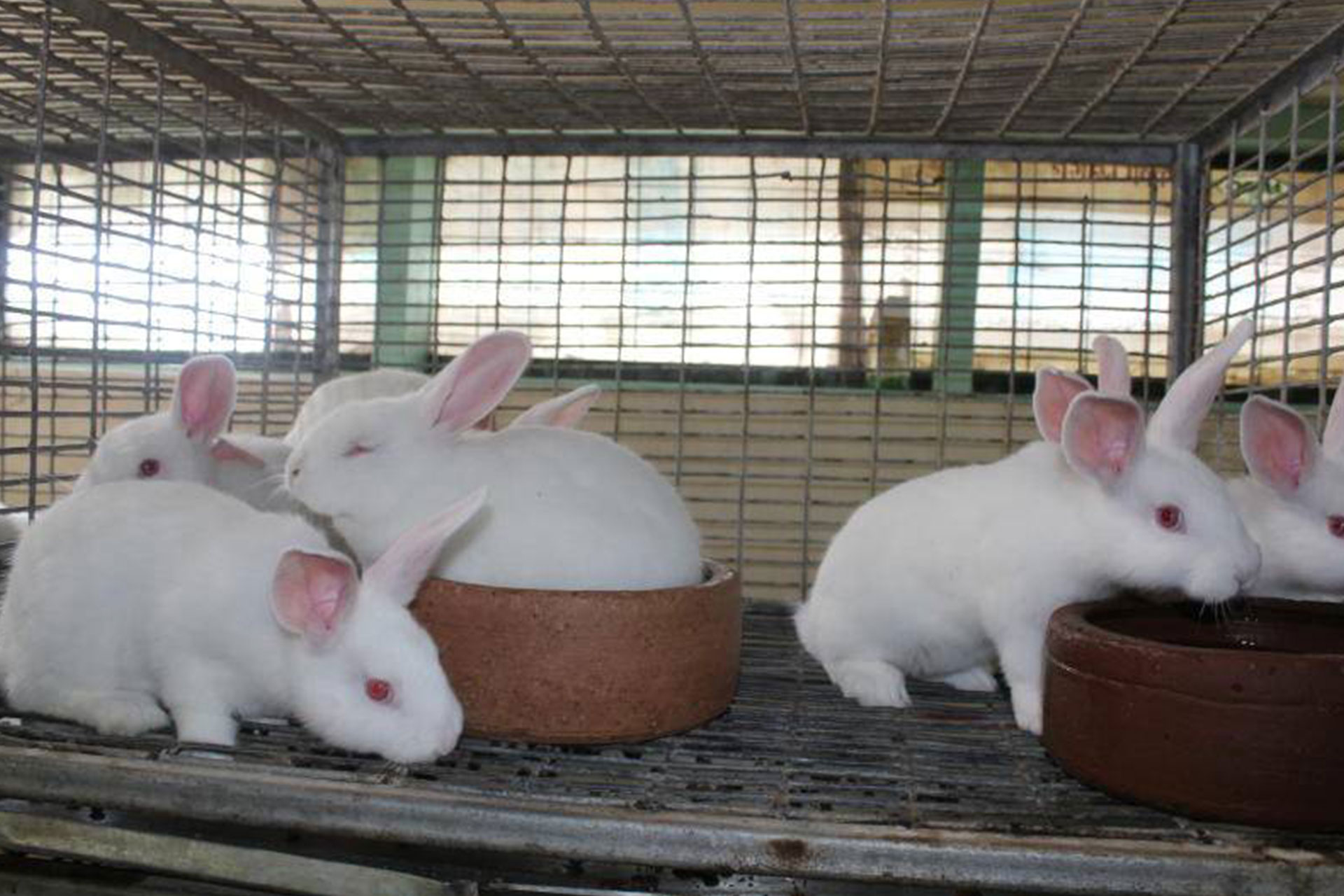
Prior to the launch of the Zimbabwe Commercial Rabbit Breeders Association (ZICORBA) in July 2021, rabbit production in the country was dormant due to lack of organisation of the farmers who were predominantly backyard producers.
However, since its establishment ZICORBA has spearheaded the growth of the cuniculture sector coordinating farmers, providing technical training, promoting standardised production practices and facilitating access to markets.
Zimbabwe’s cuniculture industry has also been transformed into a structured and commercially viable livestock subsector where rabbit meat consumption was at 10 tonnes per month at the beginning of 2025.
“Current rabbit meat consumption is about 15 tonnes per month, and it continues to grow,” said ZICORBA president Mr Regis Nyamakanga.
It is hoped that the upcoming international festival in the country’s premier tourist destination would bring together chefs, food producers, artists and cultural practitioners from across Africa and beyond.
Mr Nyamakanga said the festival presents a strategic platform to showcase both rabbit meat and the broader rabbit value chain.
“This festival to be held from 8 to 11 October gives us a powerful opportunity to introduce rabbit meat to an international audience while marketing Zimbabwe’s rabbit industry, which is one of the most organised and developed in Africa.”
He said rabbit meat aligns well with modern consumer trends due to its health benefits, sustainability and efficiency of production.
“Rabbit meat is healthy, sustainable, and well suited to today’s consumer demands. By placing it alongside world class cuisine at an international festival, we are positioning Zimbabwe as a serious player in alternative livestock production,” said Mr Nyamakanga.
Meanwhile, organiser of the Victoria Falls Food and Wine Festival Mr Patrick Musonza said more than 10 African countries have already confirmed participation at the event.
“We have confirmation from more than 10 African countries participating at this year’s festival.
“The 2026 Victoria Falls Food & Wine Festival theme, ‘Flavours of Africa: Innovation, Sustainability and Cultural Exchange’, reflects our commitment to positioning food as a driver of economic growth, cultural diplomacy, and regional integration,” he said.
Mr Musonza said the festival is deliberately aligned with African Union Agenda 2063 and Zimbabwe’s National Development Strategy 1 and 2 (NDS1 and NDS2) through its focus on value addition, agro-industrialisation, youth participation, creative industries, tourism development and cross-border trade.
“Through food, wine, culture, and the creative economy, the festival supports Agenda 2063’s vision of an integrated, prosperous, and people-driven Africa, while advancing Zimbabwe’s NDS priorities on tourism growth, agriculture value chains, job creation, and export led development,” he said.
The week-long festival will feature live cooking demonstrations by leading chefs, food exhibitions, wine tastings, cultural performances, fashion showcases and curated experiences designed to promote culinary and experiential tourism.
“Set against one of the world’s most iconic natural wonders, the festival will showcase Africa’s creativity, innovation, and cultural richness.
“Victoria Falls provides a unique backdrop that elevates the experience and attracts a truly global audience,” said Mr Musonza.
The festival aims to foster cross-border collaboration, encouraging the exchange of ideas, flavours and traditions through shared culinary and cultural experiences, while strengthening intra-African trade and cultural linkages.-herald