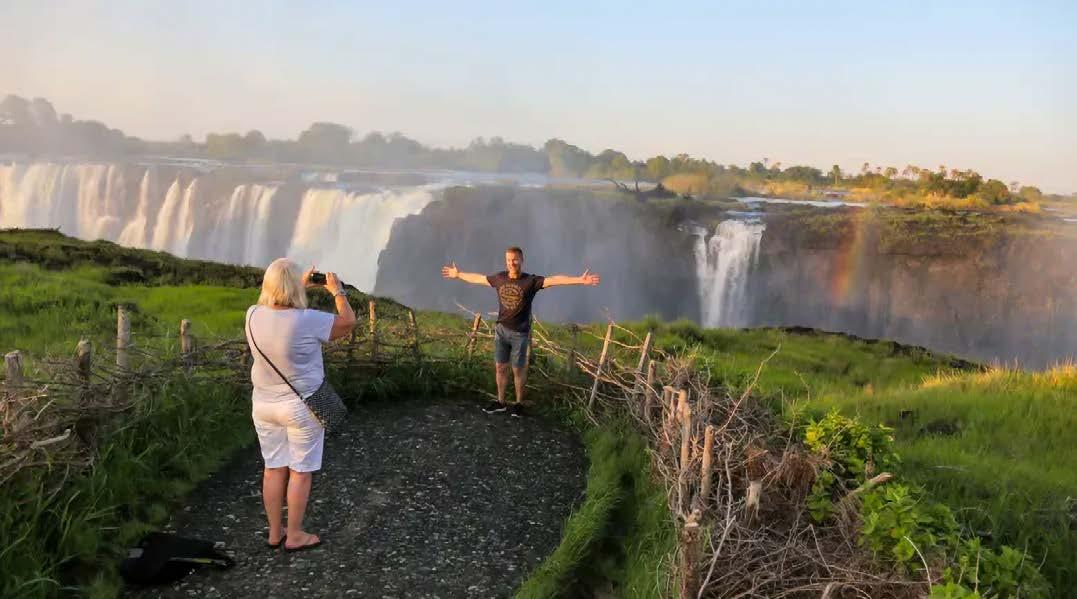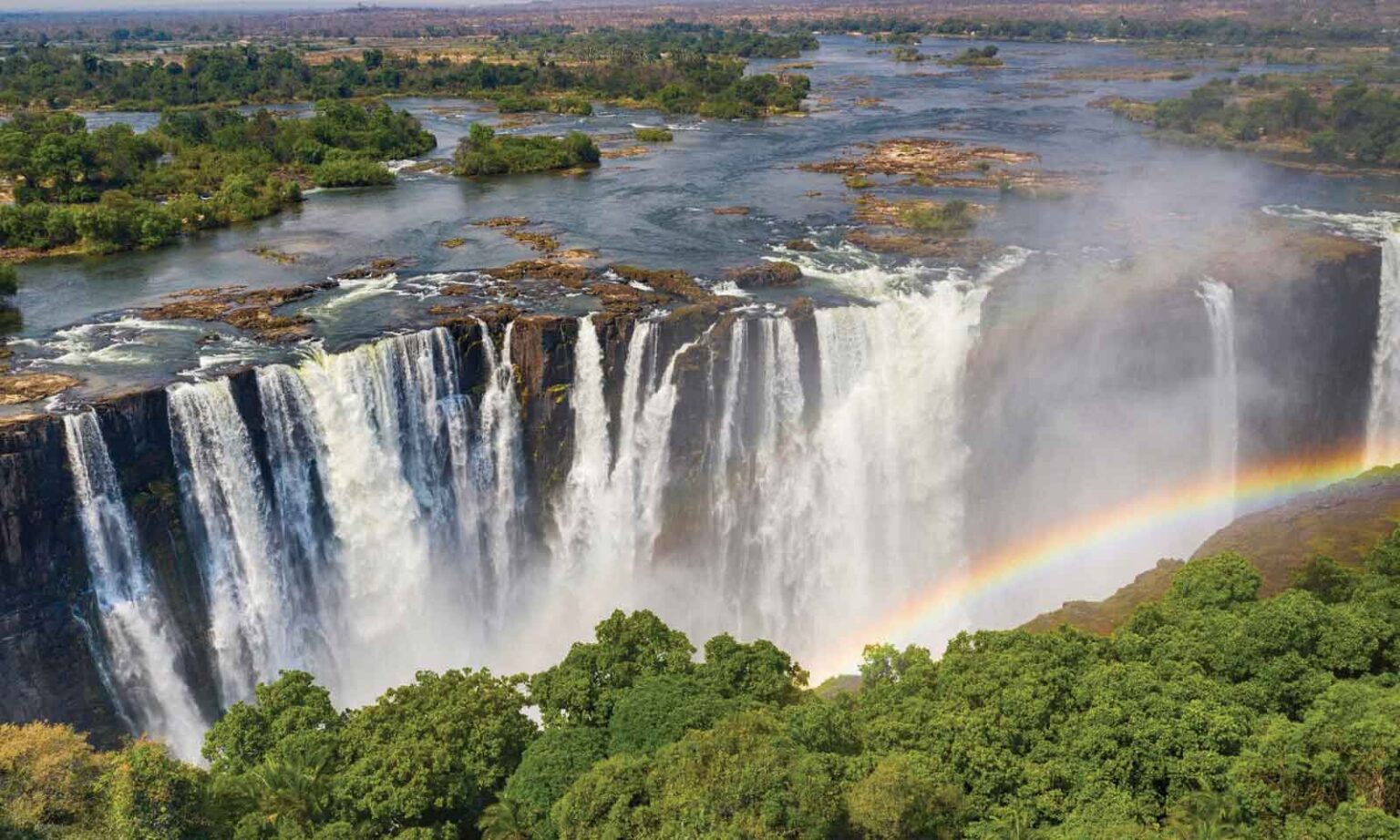
While Zimbabwe`s tourism industry has long marketed Mosi-oa-Tunya (Victoria Falls) as its flagship attraction, its caves, mountains and wetlands remain underutilised treasures embodying profound historical and cultural narratives.
These natural formations are repositories of national memory, spiritual significance and collective identity.
From ancient rock art in Matobo Hills to the sacred mountains of Nyanga and the wetlands of the Eastern Highlands, Zimbabwe can reposition its tourism brand around heritage-based experiential travel.
This article examines how strategic branding can transform these sites into powerful symbols of national identity while drawing lessons from successful global and regional models.
The Historical Significance of Zimbabwes Natural Heritage Sites Zimbabwes caves, mountains and wetlands are deeply interwoven with the nation`s historical tapestry.
The Matobo Hills contain over 3 000 rock art sites spanning 13 000 years, making them among Africa`s richest concentrations of prehistoric paintings.
These caves served as spiritual centers, refuges during colonial resistance and burial grounds for yesteryear leaders like King Mzilikazi and Cecil Rhodes, creating layers of contested and shared memory.
Mountains such as Nyangani and the Chimanimani range hold sacred status in Shona cosmology, serving as places for rainmaking ceremonies and ancestral communication.
The Dande wetlands witnessed guerrilla movements during Zimbabwe`s liberation struggle, sustaining freedom fighters. These sites serve as evidence of resilience, spirituality, and environmental adaptation.
Global Examples: Branding Natural Heritage as Cultural Identity Uluru-Kata Tjuta National Park, Australia, demonstrates masterful integration of indigenous narrative into tourism branding.
The site`s management returned to the Anangu people, emphasising Aboriginal Tjukurpa (law and knowledge systems) through guided tours, visitor interpretation and climbing restrictions.
The branding positions Uluru not as a rock formation, but as a 65 000-year-old cultural landscape, generating over AUD $300 million annually while preserving indigenous dignity and meaning.
Sagarmatha National Park, Nepal, successfully brands Mount Everest beyond mountaineering adventure by incorporating Sherpa cultural heritage, Buddhist monasteries and spiritual significance into the visitor experience.
The integration of local communities as stakeholders has created sustainable tourism that respects both natural and cultural ecosystems, attracting 50 000+ annual visitors seeking authentic cultural immersion alongside trekking experiences.
The Camino de Santiago, Spain, transformed a medieval pilgrimage route through mountains and valleys into a globally recognised brand worth over €300 million annually.
The success lies in marketing the journey as a transformative spiritual and cultural experience rather than mere hiking, demonstrating how heritage narratives elevate natural landscapes.
Regional Successes: African Models
Rwanda`s Volcanoes National Park rebranded from a conflict zone to a premium conservation and cultural heritage destination.
Through integrating gorilla tracking with community cultural experiences, traditional ceremonies and Dian Fossey`s conservation legacy, Rwanda created a compelling narrative that connects natural wonder with human stories, commanding premium pricing (US$1 500 per permit) while maintaining authenticity.
South Africas Cradle of Humankind brands limestone caves and fossil sites as humanitys birthplace, creating a powerful identity narrative. The interpretation centres, storytelling tours, and educational programming position the site as essential to understanding human origins, attracting 300 000+ visitors annually and generating significant educational tourism revenue.
Strategic Branding Lessons for Zimbabwe
Lesson 1: Narrative-Driven Marketing Zimbabwe must move beyond descriptions of “scenic beauty” to storytelling that connects visitors emotionally with historical events, spiritual practices, and cultural continuity.
The Matobo Hills should be branded not as “granite formations with rock art”, but as “sacred galleries where ancestors speak across millennia.”
Lesson 2: Community Custodianship Following Australia`s Uluru model, Zimbabwe should empower local communities as primary interpreters and custodians of heritage sites. The VaRemba communities near Matobo, the VaShawasha near the wetlands and indigenous rainmakers should lead interpretive tours, creating authentic experiences while ensuring economic benefits flow to heritage guardians.
Lesson 3: Multi-Layered Interpretation Sites should acknowledge complex histories, including pre-colonial civilisations, colonial encounters, and liberation struggles.
The Chinhoyi Caves can integrate Shona spiritual significance, guerrilla war history and geological wonder into layered narratives that appeal to diverse visitor interests while maintaining historical integrity.
Lesson 4: Experiential Programming
Following the Camino model, Zimbabwe should develop immersive cultural experiences: guided sunrise ceremonies on sacred mountains, oral history sessions in cave sites, traditional ecological knowledge tours in wetlands, and artistic residencies connecting contemporary creators with ancient rock art traditions.
Lesson 5: Premium Strategic Positioning Rwandas success demonstrates that heritage-rich experiences command premium pricing. Zimbabwes unique combination of 13 000-year-old rock art, liberation history, and living spiritual practices justifies positioning these sites as exclusive heritage destinations rather than mass tourism locations.
Lesson 6: Integrated Digital Storytelling Modern branding requires a sophisticated digital presence.
Virtual reality cave tours, documentary partnerships, social media campaigns featuring indigenous custodians, and interactive heritage apps can extend global reach while maintaining site integrity.
Conclusion
Zimbabwe`s caves, mountains, and wetlands represent irreplaceable archives of human experience, environmental knowledge, and cultural continuity. Through learning from
Ulurus indigenous-centred approach, Rwandas premium conservation branding and Spain`s transformation of landscape into a narrative journey, Zimbabwe can reposition these sites as essential destinations for heritage tourists, spiritual seekers, and cultural learners globally.
The challenge is not infrastructure development but narrative innovation: transforming geological features into storied landscapes where national identity, human resilience, and natural wonder converge.
When visitors leave Matobo Hills, understanding it as a sacred repository where San artists, Ndebele kings and freedom fighters all sought meaning, or depart wetlands recognising them as ecological libraries sustaining communities for centuries, Zimbabwe will have achieved tourism branding that honours both heritage and identity while generating sustainable prosperity.
Charles Mavhunga co-authored textbooks in Business Entrepreneurial Skills and is currently studying for a Ph.D. in Management at Bindura University. He can be contacted at charles.mavhunga@gmail.com. Cell:0772989816-herald