
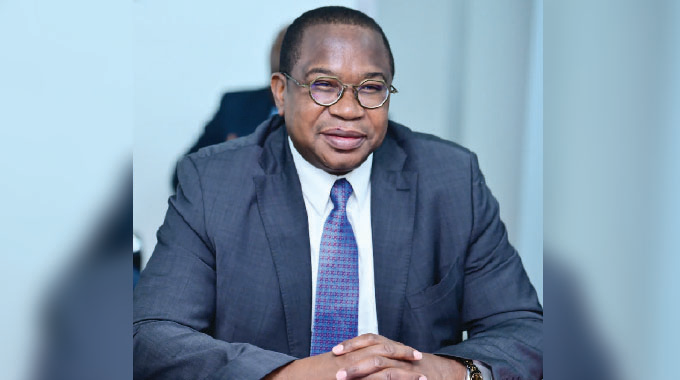
Zimbabwe’s consistent participation in the World Economic Forum Annual Meeting in Davos, led by Finance, Economic Development and Investment Promotion Minister Professor Mthuli Ncube, signals firm belief in its economic policy direction and stability, economic analysts say.
The Southern African country has made consistent efforts to take part in WEF meetings, particularly since 2018, as part of its re-engagement and “Open For Business” policy.
The high-profile engagement brings Zimbabwe into substantive global economic conversations, bolstering perceptions of macroeconomic resilience and reform momentum at a time when investors are closely watching emerging market risk profiles.
The 2026 WEF gathering in Davos, Switzerland, convened under the theme “Promoting Global Dialogue and Cooperation amid Geopolitical and Economic Uncertainty”, has drawn a record participation of heads of state, policymakers and international business leaders.
Zimbabwe’s participation, far from a ceremonial role, places it in the middle of discussions that shape investor sentiment and global economic policy.
Minister Ncube’s scheduled participation in panels on intra-African trade and improving the business climate underscores a strategic shift.
Zimbabwe is not only presenting its reform agenda but also seeking to align with global and continental priorities such as regional integration and private sector development.
“Being at Davos sends a strong message that Zimbabwe is willing to engage with the global financial community on equal footing,” said economist Gladys Shumbambiri-Mutsopotsi.
“It improves visibility and reinforces narratives of reform and openness, which are essential for attracting long-term capital.”
The minister’s engagements are set against broader economic projections that the economy is on a recovery trajectory supported by stabilising macroeconomic conditions, with gross domestic product growth expected in the 5 – 6 percent range in 2026.
Zimbabwe has managed to rein in inflation and currency volatility as ZiG annual inflation fell to 15 percent by the end of 2025, far below the 30 percent target, with month-on-month inflation averaging 0,4 percent from February to December, signalling price stability.
The exchange rate has stabilised near ZiG26/US$ while the parallel premium has contracted to below 20 percent, reflecting stronger forex supply, confidence and effective central bank reserve backing throughout most of the year.
The Treasury has also moved to improve the ease of doing business with several reforms in various industries, making the environment favourable.
Financial analysts note that Zimbabwe’s Davos presence dovetails with recent signs of macroeconomic improvement.
According to Treasury projections, the economy is forecast to grow 5 percent in 2026, buoyed by stronger performance in agriculture, mining and manufacturing, alongside moderating inflation expectations.
“International forums like Davos provide a platform to communicate policy consistency, especially around stabilising the ZiG currency and lowering inflation,” commented Ms Rudo Ndlovu, a financial analyst.
“Narratives matter for confidence and Zimbabwe has been gradually shaping a story of macroeconomic discipline that resonates with investors and multilateral partners.”
Meanwhile, the IMF has acknowledged progress in stabilising the local currency and tightening monetary policy, further reinforcing the narrative of cautious but credible reform.
Beyond projections, analysts argue that Zimbabwe’s active voice in discussions on the future of the international financial architecture and intra-African trade could have substantive economic implications.
“Engagement on issues like the AfCFTA and financial system reform is not just symbolic,” said Ms Ndlovu.
“It signals to global and regional investors that Zimbabwe is contributing to shaping policies that matter for economic integration and growth.”
Sovereign risk perceptions remain a critical hurdle for Zimbabwe’s access to global capital markets. Participation in Davos, analysts assert, offers an avenue to soften risk premia by demonstrating commitment to policy dialogue and transparency.
“Even if immediate capital flows don’t materialise, sustained engagement in global economic forums can gradually reduce risk aversion among institutional investors,” noted Ms Shumbambiri-Mutsopotsi.
Analysts’ forecasts suggest that consistent international engagement, paired with domestic reforms, such as easing regulatory burdens and improving the ease of doing business, could strengthen Zimbabwe’s sovereign risk profile over time.
“Davos attendance complements domestic policy action,” she added. “It is a soft power play with hard economic implications, especially if it leads to concrete partnerships and investor interest.”
Longer-term effects of Zimbabwe’s global visibility hinge on the consistency of economic policy and follow-through on reform commitments.
“However, the analysts caution that while Davos can elevate narratives, structural challenges, such as fiscal stability and regulatory bottlenecks, must be addressed to translate dialogue into tangible investment and growth.
“Davos is one piece of a larger strategy. What matters more is sustained policy coherence and implementation on the ground,” concluded Ms Ndlovu.
If Zimbabwe continues to align macroeconomic fundamentals with international expectations and leverages its participation in global forums, the combined effect could be a more favourable investment climate and stronger growth outlook.-herald