Gideon Muzamba’s clinic register tells a story of recurrence. Not of hope, or development, but of a cycle as relentless as the crush of rock at the nearby mines. Page after page, the same names reappear, sometimes just weeks apart, next to the same diagnoses, gonorrhoea, syphilis, chlamydia.
“We treat someone today,” Muzamba says a nurse, his voice a weary blend of professionalism and frustration, “and after a month or two, they are back. The name is familiar. The infection is familiar. Only the date has changed.”
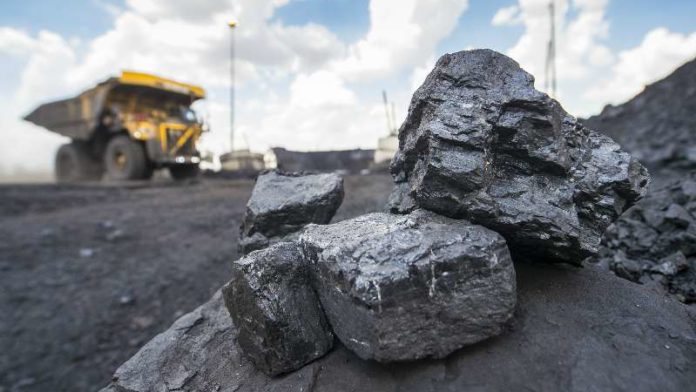
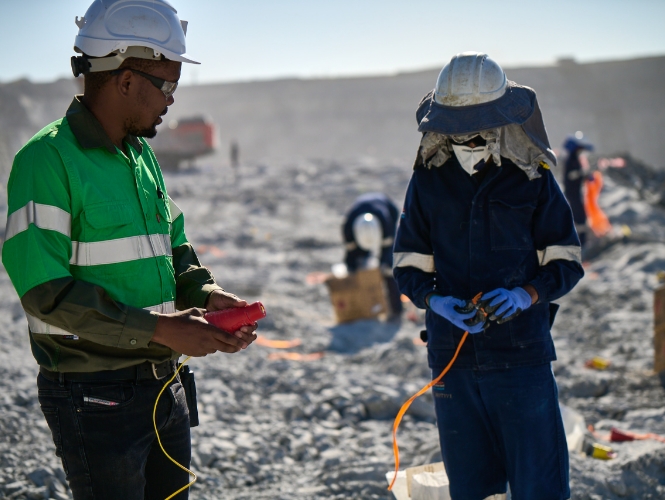
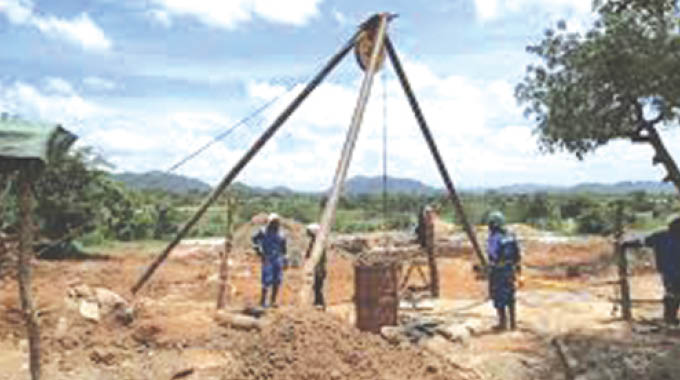
Muzamba is the nurse-in-charge at the Siansundu Rural Health Centre, a modest outpost in the Mlibizi area of Binga District. Outside his window, the landscape is being reshaped by a surge in artisanal mining − shallow pits, mounds of excavated earth and the constant murmur of men seeking fortune.
Inside, he is battling a less visible but more insidious excavation, the mining boom is hollowing out the community’s health, fuelling a stubborn and devastating spike in sexually transmitted infections.
This is not just a medical bulletin. It is a story about what happens when sudden, cash-based income collides with deep-seated social structures, when economic opportunity carries a latent biological tax and when the path to prosperity is paved with repeated sickness.
The miners, often referred to locally as makorokoza, work in punishing conditions. Their reward is sporadic but potent, cash in hand, a tangible reward for backbreaking labour. In this region, this cash ignites a specific kind of fever.
“When they go to the mines and get money, they have many sexual partners,” Muzamba explains.
The mining camps and surrounding trading posts create a transient economy where sex is often part of the release, the celebration, or the transaction.
The problem, however, is not confined to the camps. It migrates home.
“When they come back,” Muzamba continues, “they end up infecting their wives and other partners.” The clinic’s records − 8 to 10 new STI cases each month in a small population − are only the visible tip. They represent the wives who present with symptoms, the boyfriends, the girlfriends. They represent what health workers call “networks of transmission,” where a single infection can ripple silently through a household and beyond before ever reaching the clinic.
The most demoralising aspect for the health team is the revolving door. Reinfection is the starkest evidence that medicine alone is failing.
“That clearly shows that behaviour is not changing,” Muzamba says. Treatment is simple and effective. But behaviour change is complex. It requires consistent condom use, reducing partner numbers and the critical, often elusive, step of “partner notification” − ensuring all involved are treated simultaneously to break the chain.
In Mlibizi, this step frequently breaks down. Stigma, fear of domestic conflict and deeply ingrained gender dynamics mean women may be treated in silence while their husbands remain untreated reservoirs of infection. Or a miner may get cured, only to return to the same risky practices at the next payout.
“Some people are adhering to the advice,” Muzamba acknowledges. “But others are very difficult to change. The money speaks louder than our health talks.”
The story of Mlibizi is a microcosm of a global phenomenon − resource booms unsettling community health. The clinic fights back with more than pills. They conduct outreach, hold community dialogues, and painstakingly counsel individuals. But they are up against a powerful economic tide.
Local leaders and activists see the need for a broader response. “The mines bring money, but they also bring a disruption,” says one community elder, who asked not to be named to avoid conflict. “We need to talk to these young men not just as patients, but as sons, as husbands. And we need to find ways for this wealth to build health, not destroy it.”
Some suggest incorporating mandatory health and rights education into the informal mining cooperatives. Others argue for mobile clinics that can meet miners where they work, offering discreet services and condoms directly at the source.
For Nurse Muzamba, the solution lies in sustained, community-owned intervention.
“We need stronger community involvement,” he insists. “This cannot just be the health centre’s fight. The chiefs, the miners’ associations, the women’s groups − everyone must see this sickness as a threat to our future.”
He envisions a multi-pronged attack: economic empowerment programs for women to reduce dependency, peer education among the miners themselves, and destigmatizing conversations about sexual health in churches and village meetings.
As the sun sets over the scarred landscape of Mlibizi, the clinking of picks continues. The promise of gold and a better life is powerful. But in the quiet of the Siansundu clinic, another record is being logged, another cycle begins anew.
The question hanging in the dusty air is whether this community can mine its newfound wealth without burying its health in the process. The fever of fortune, it seems, is one of the hardest to break.-herald