When tourists arrive in Zimbabwe seeking the “authentic African experience,” they often encounter a carefully curated narrative that bears little resemblance to the lived reality of Zimbabweans.
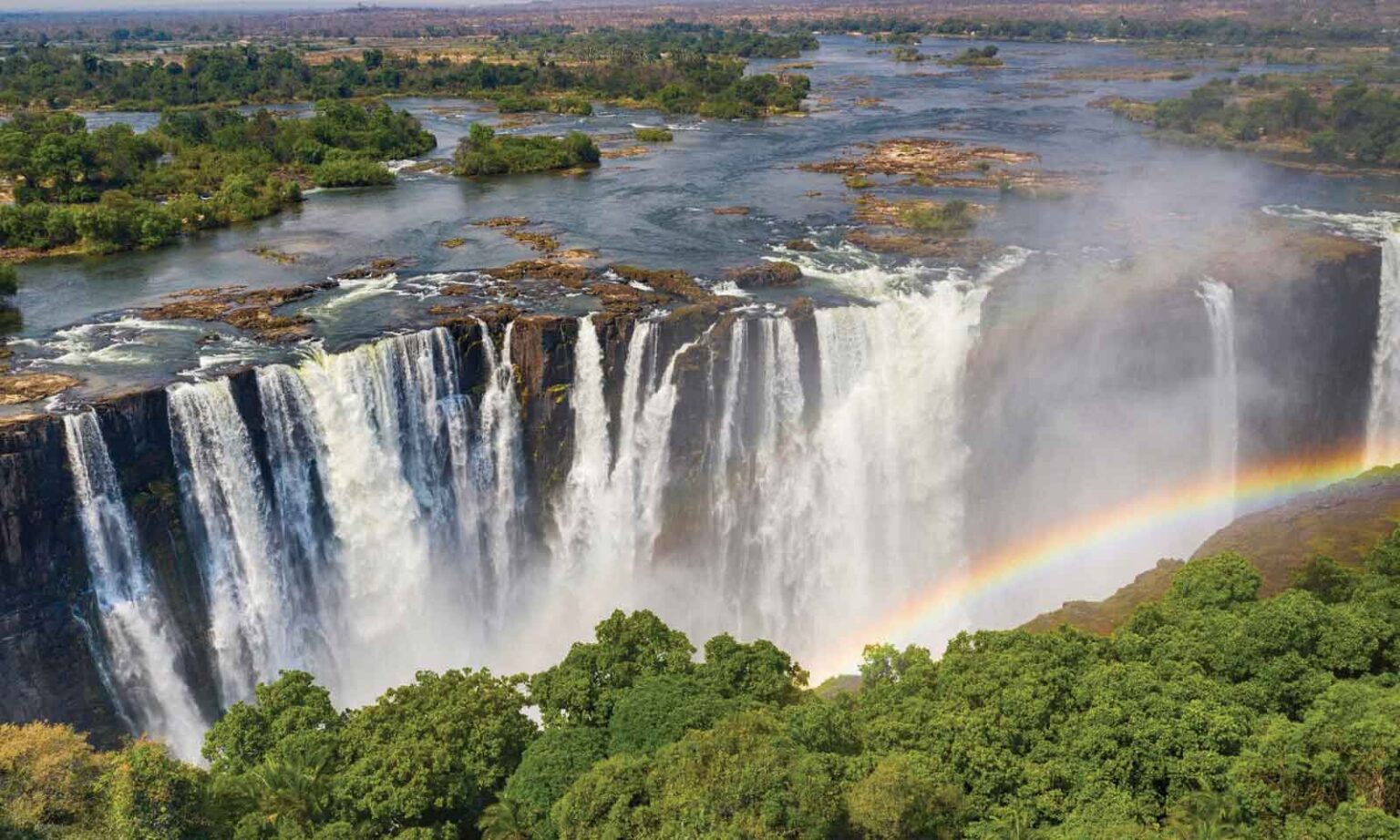
From Victoria Falls marketed with its colonial name to safari lodges that romanticise the colonial era, Africa’s tourism industry remains shackled to a brand identity forged not in Harare, Accra, or Nairobi, but in the Berlin Conference of 1884-1885.
The Berlin Legacy: Where It All Began
The Berlin Conference, convened by European powers without a single African representative present, carved up the continent like a birthday cake. But the Scramble for Africa was not merely territorial; it was cultural, psychological, and economic. European colonisers understood that to control land, they must first control minds and narratives.
This mental colonisation established a hierarchy that persists today: European languages over indigenous tongues, European aesthetics over African beauty, European governance structures over traditional systems, and European storytelling over African voices. The tourism industry, ironically one of Africa’s greatest economic opportunities, has become the most visible stage where this colonial script continues to be performed.
Language: The Coloniser’s
Tongue Still Speaks
Walk into any upscale hotel in Harare or Cape Town and English dominates. Shona, Ndebele, Zulu, Swahili – languages spoken by millions – are relegated to “cultural performances” for tourists. Marketing materials for Zimbabwe’s attractions are written primarily in English, as if to validate experiences for Western audiences rather than celebrate them for Africans themselves.
This linguistic colonisation runs deep. Tourism professionals often feel compelled to adopt Western accents and vocabulary to appear “professional.”
A tour guide explaining Great Zimbabwe, the magnificent stone city built by ancestors without European involvement, must do so in the coloniser’s language to be taken seriously. The irony is crushing: African excellence explained through European linguistic frameworks.
The prominence of English in formerly colonised countries is not merely practical; it is ideological. It signals who the intended audience is, whose comfort matters, and whose validation is sought. When Zimbabwe markets itself as “A World of Wonders,” the question must be asked: wonderful to whom, and in whose language should this wonder be articulated?
Traditional Authority Undermined
The erosion of traditional chief systems represents another dimension of cultural colonisation in tourism. Before colonialism, chiefs were custodians of land, culture, and heritage. Today, tourism revenue from cultural sites rarely benefits these traditional authorities or the communities they represent.
Consider the commercialisation of sacred sites. Places of spiritual significance have been repackaged as tourist attractions, often without meaningful consultation with traditional leaders. Chiefs who once determined access to sacred spaces now watch as foreign tour operators profit from their heritage.
The Matobo Hills, sacred to the Ndebele people and burial place of their king Mzilikazi, became better known as Cecil Rhodes’ grave site, the coloniser’s final resting place overshadowing indigenous significance.
Tourism branding frequently portrays traditional leaders as exotic curiosities rather than contemporary governance structures. They appear in brochures wearing ceremonial regalia, frozen in time, while modern African political structures, themselves imposed colonial constructs, are presented as the “real” government.
Beauty Standards: The
Bleaching of Self-Worth
Perhaps nowhere is cultural colonisation more personally devastating than in beauty standards. Across Zimbabwe and Africa, skin-lightening creams generate millions in revenue, testimony to the internalised belief that lighter skin is more beautiful, more professional, more desirable.
This phenomenon directly connects to tourism branding, where Africa markets itself through a Eurocentric lens. Hotel advertisements, tourism posters, and promotional materials disproportionately feature light-skinned models or emphasise European aesthetic standards. The message is clear: to be marketable, to be desirable, to be successful in the tourism industry, one must approximate Whiteness.
Women working in tourism, from hotel receptionists to flight attendants, face immense pressure to straighten their hair, lighten their skin and adopt Western beauty standards. The natural African aesthetic, in all its diverse glory, is deemed unprofessional or unsuitable for “international standards.”
Food: Whose Cuisine Matters?
Zimbabwe’s tourism industry promotes sadza, a staple food, as a cultural curiosity while hotel restaurants serve continental breakfasts and Italian dinners as the standard. African cuisine is relegated to “cultural villages” and “traditional experiences” rather than celebrated in fine dining establishments.
This culinary hierarchy reinforces the notion that African food is primitive or simplistic, suitable only for authenticity performances rather than genuine gastronomic excellence. Meanwhile, European and Asian cuisines dominate upscale tourism establishments, sending a clear message about whose culinary traditions are considered sophisticated.
The Way Forward: Decolonising African Tourism
For Zimbabwe and Africa to achieve successful, sustainable tourism, cultural decolonisation must be intentional and comprehensive.
First, linguistic diversity must be celebrated. Tourism materials should prioritise indigenous languages, with English as a translation rather than the primary medium. Tour guides should be empowered to operate in their mother tongues.
Second, traditional authorities must be centred in tourism governance. Chiefs should have decision-making power and direct benefit from tourism revenue generated on their ancestral lands. Their role as custodians must be restored, not merely acknowledged.
Third, beauty standards must be revolutionised. Tourism marketing should celebrate unaltered African aesthetics, natural hair, dark skin, and indigenous fashion. Success should look African, not European.
Fourth, African cuisine must be elevated. Fine dining establishments should showcase indigenous ingredients and cooking methods with the same prestige currently reserved for European fare.
Finally, Africa must tell its own stories. Tourism branding should be created by Africans for global audiences, not filtered through colonial nostalgia or Western expectations.
Conclusion
The Berlin Conference may have ended in 1885, but its legacy persists in every tourism brochure, every skin-lightening cream advertisement, every English-only hotel sign across Africa. True success in African tourism will not be measured merely in arrival numbers or revenue, though these matter, but in the reclamation of narrative power.
Zimbabwe and Africa must market themselves on their own terms, in their own languages, celebrating their own beauty standards and governance systems. Only then will tourism become a tool of empowerment rather than a continuation of colonisation by other means. The Scramble for Africa must finally end, replaced by Africa’s own story, told in Africa’s own voice, celebrating Africa’s own magnificence.
Charles Mavhunga co-authored textbooks in Business Enterprising Skills and is currently studying for a Ph.D. in Management at Bindura University. He can be contacted at charles.mavhunga@gmail.com. Cell: 0772 989 816.-herald